





Build Certinia-Powered Applications in Gemini Code Assist with CData Code Assist MCP

Gemini Code Assist is an AI-powered coding companion that integrates intelligent code generation into everyday development workflows. With support for MCP, Gemini Code Assist can connect to live enterprise data sources directly from Visual Studio Code, enabling natural language interaction with structured data without switching context or manually writing data access code.
Model Context Protocol (MCP) is an open standard for connecting LLM clients to external services through structured tool interfaces. MCP servers expose capabilities such as schema discovery and live querying, allowing AI agents to retrieve and reason over real-time data safely and consistently.
This guide walks through installing the CData Code Assist MCP for Certinia, configuring the connection to Certinia, connecting the Code Assist MCP add-on to Gemini Code Assist, and querying live Certinia data from within the editor.
Prerequisites
Before starting, ensure the following requirements are met:
- Visual Studio Code is installed on the machine
- Gemini Code Assist extension is enabled in Visual Studio Code
- CData Code Assist MCP for Certinia has been installed
- Access to Certinia
Note: Gemini Code Assist must already be set up and functional in Visual Studio Code before configuring MCP servers. MCP servers are accessed when Gemini Code Assist is running in Agent mode.
Step 1: Download and install the CData Code Assist MCP for Certinia
-
To begin, download the CData Code Assist MCP for Certinia
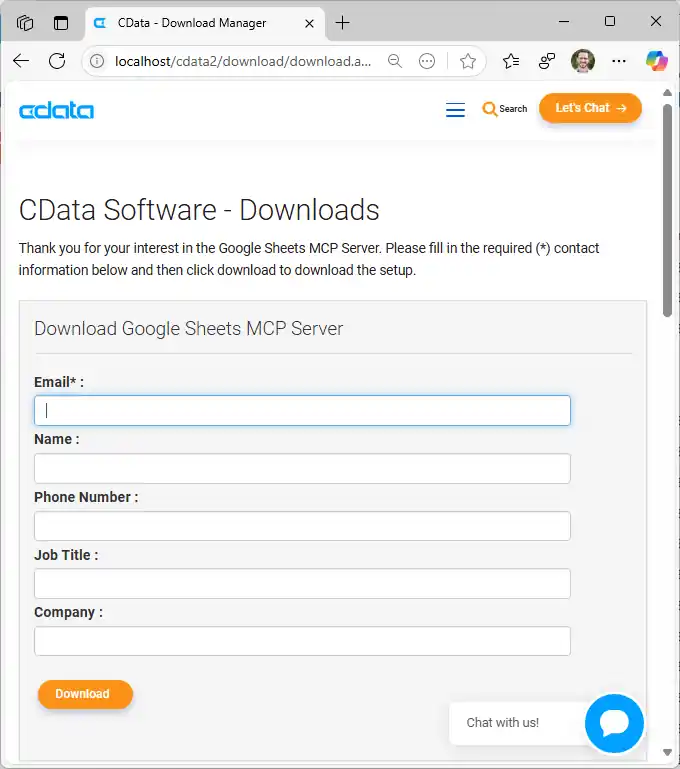
- Find and double-click the installer to begin the installation
-
Run the installer and follow the prompts to complete the installation
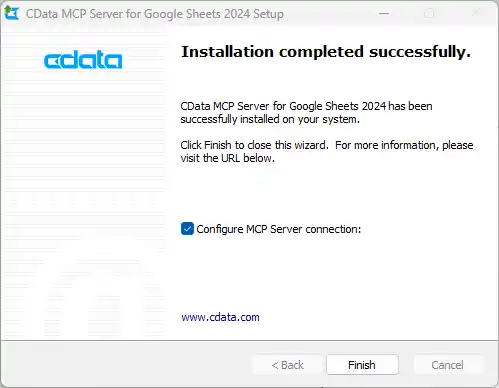
When the installation is complete, the Code Assist MCP add-on is ready for configuration by connecting to Certinia.
Step 2: Configure the connection to Certinia
-
After installation, open the CData Code Assist MCP for Certinia configuration wizard
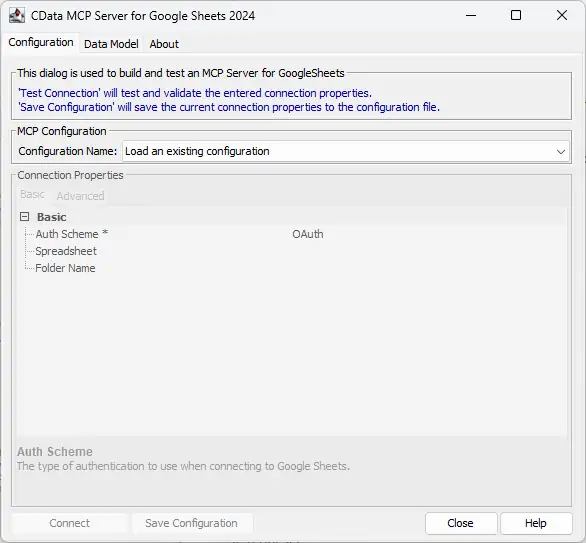
NOTE: If the wizard does not open automatically, search for "CData Code Assist MCP for Certinia" in the Windows search bar and open the application.
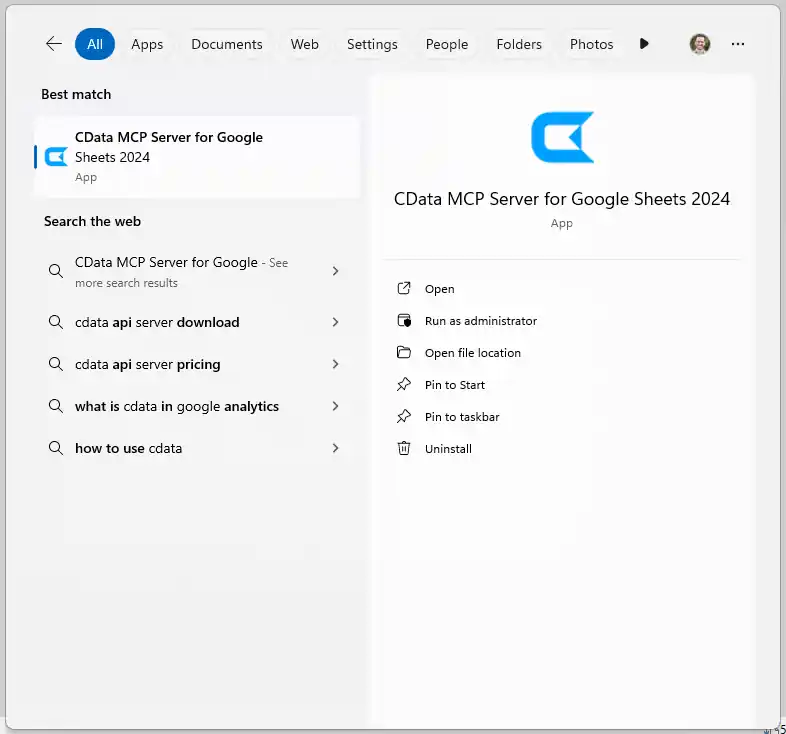
-
In MCP Configuration > Configuration Name, either select an existing configuration or choose
to create a new one 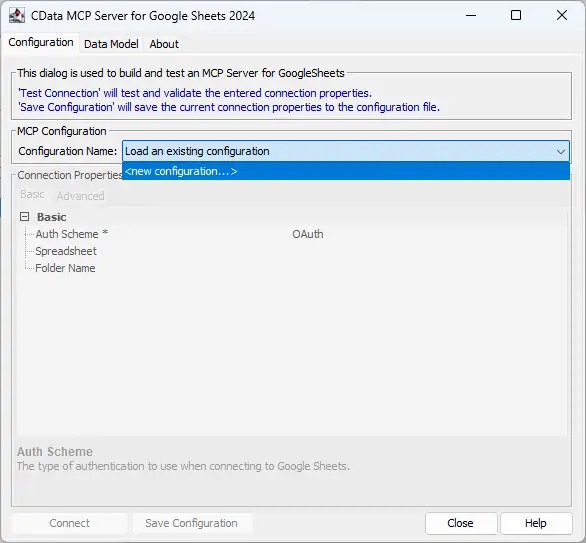
-
Name the configuration (e.g. "cdata_certinia") and click OK
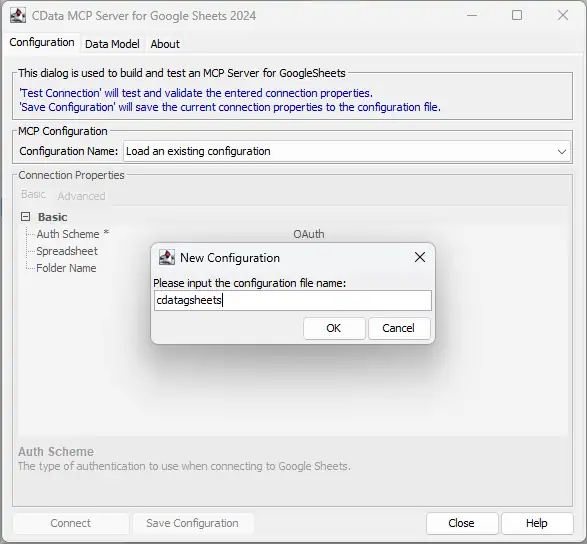
-
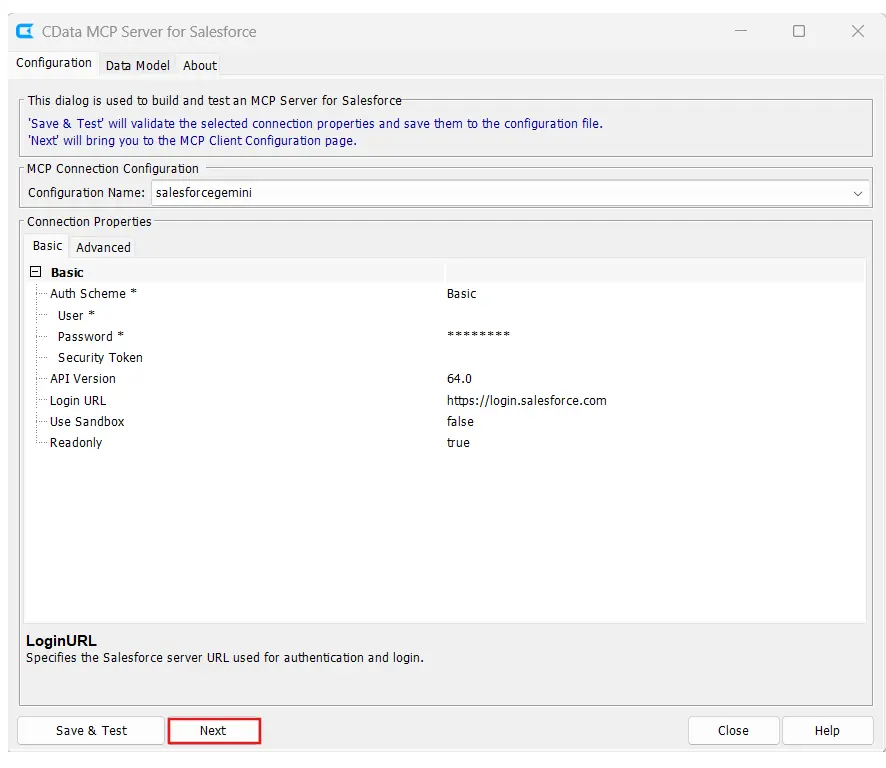
Enter the appropriate connection properties in the configuration wizard
There are several authentication methods available for connecting to Certinia: login credentials, SSO, and OAuth.
Authenticating with a Login and Token
Set the User and Password to your login credentials. Additionally, set the SecurityToken. By default, the SecurityToken is required, but you can make it optional by allowing a range of trusted IP addresses.
To disable the security token:
- Log in to Certinia and enter "Network Access" in the Quick Find box in the setup section.
- Add your IP address to the list of trusted IP addresses.
To obtain the security token:
- Open the personal information page on certinia.com.
- Click the link to reset your security token. The token will be emailed to you.
- Specify the security token in the SecurityToken connection property or append it to the Password.
Authenticating with OAuth
If you do not have access to the user name and password or do not want to require them, use the OAuth user consent flow. See the OAuth section in the Help for an authentication guide.
Connecting to Certinia Sandbox Accounts
Set UseSandbox to true (false by default) to use a Certinia sandbox account. Ensure that you specify a sandbox user name in User.
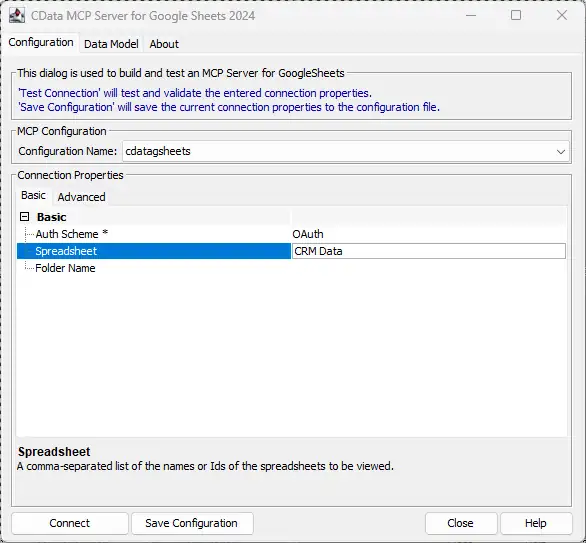
- Click Connect to authenticate with Certinia through OAuth
-
Then, click Save Configuration to save the Code Assist MCP add-on
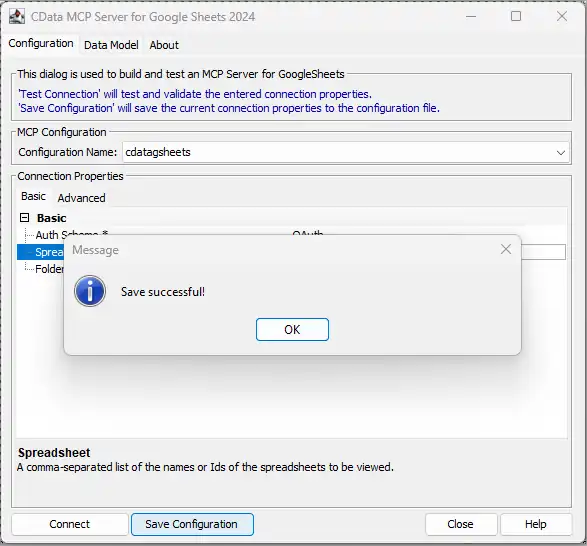
This process creates a .mcp configuration file that Gemini Code Assist will reference when launching the Code Assist MCP add-on. With the Code Assist MCP add-on configured, it is ready to connect to Gemini Code Assist.
Step 3: Connect the Code Assist MCP add-on to Gemini Code Assist
- Ensure Visual Studio Code is installed and the Gemini Code Assist extension is enabled
-
From the configuration wizard, click Next after saving and testing the connection
-
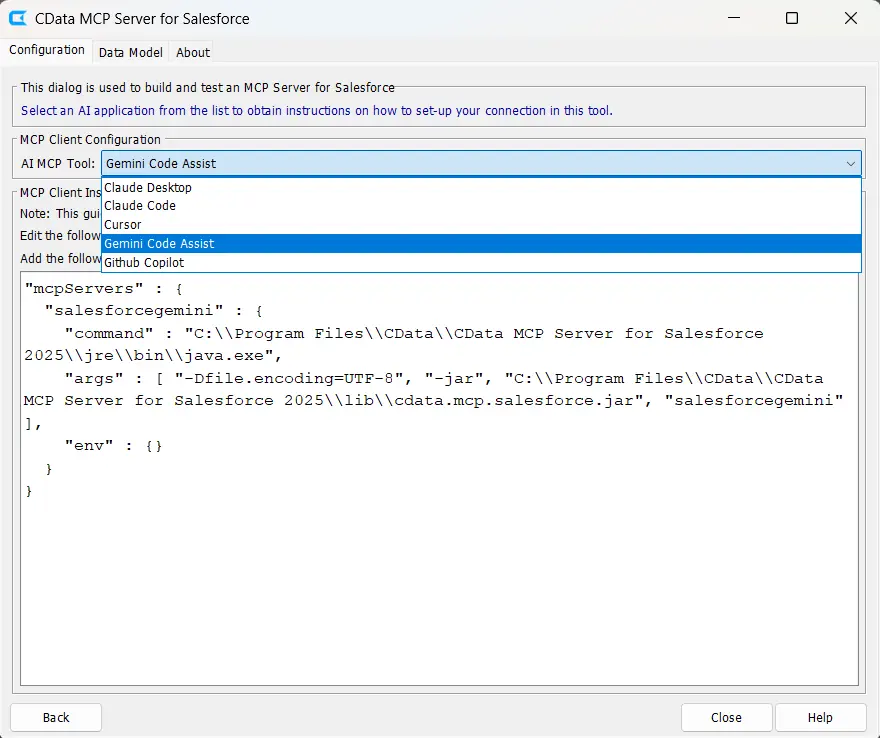
Select Gemini Code Assist from the AI MCP Tool dropdown
-
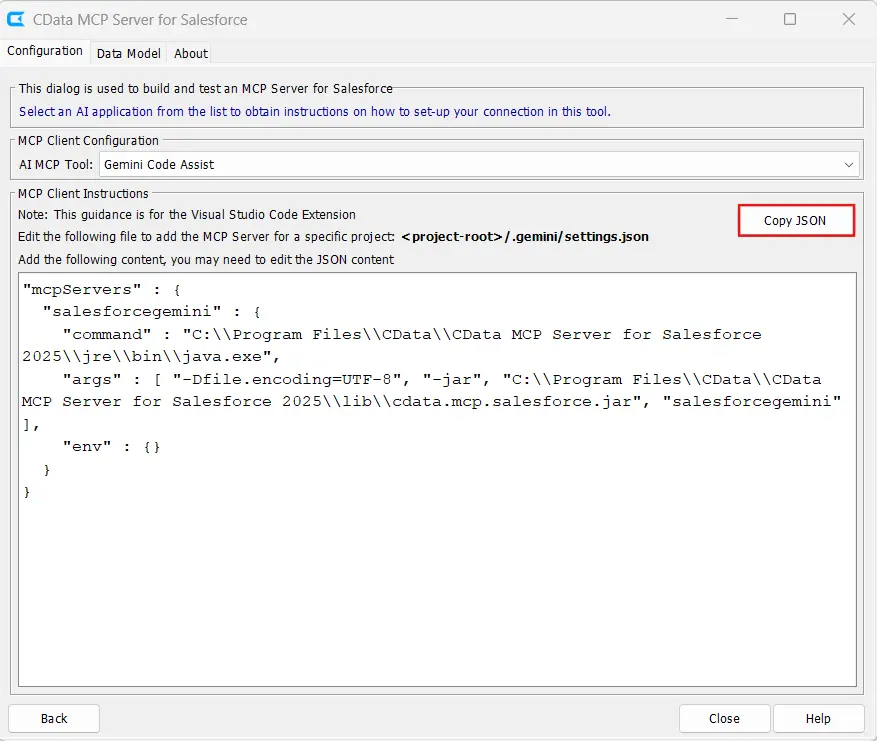
Click Copy JSON to copy the generated MCP configuration to the clipboard
-
Paste the copied JSON into the appropriate configuration file based on the desired scope:
- User-level: Configuration applies across all projects for the current user
- Workspace-level: Configuration applies only to the current workspace or project
NOTE: The configuration includes the path to Java 17+ executable and the CData Code Assist MCP add-on JAR file. The final argument must match the MCP configuration name saved in the wizard (e.g. "cdata_certinia").
- Save the configuration file and restart Visual Studio Code if necessary
Step 4: Query live Certinia data in Gemini Code Assist
-
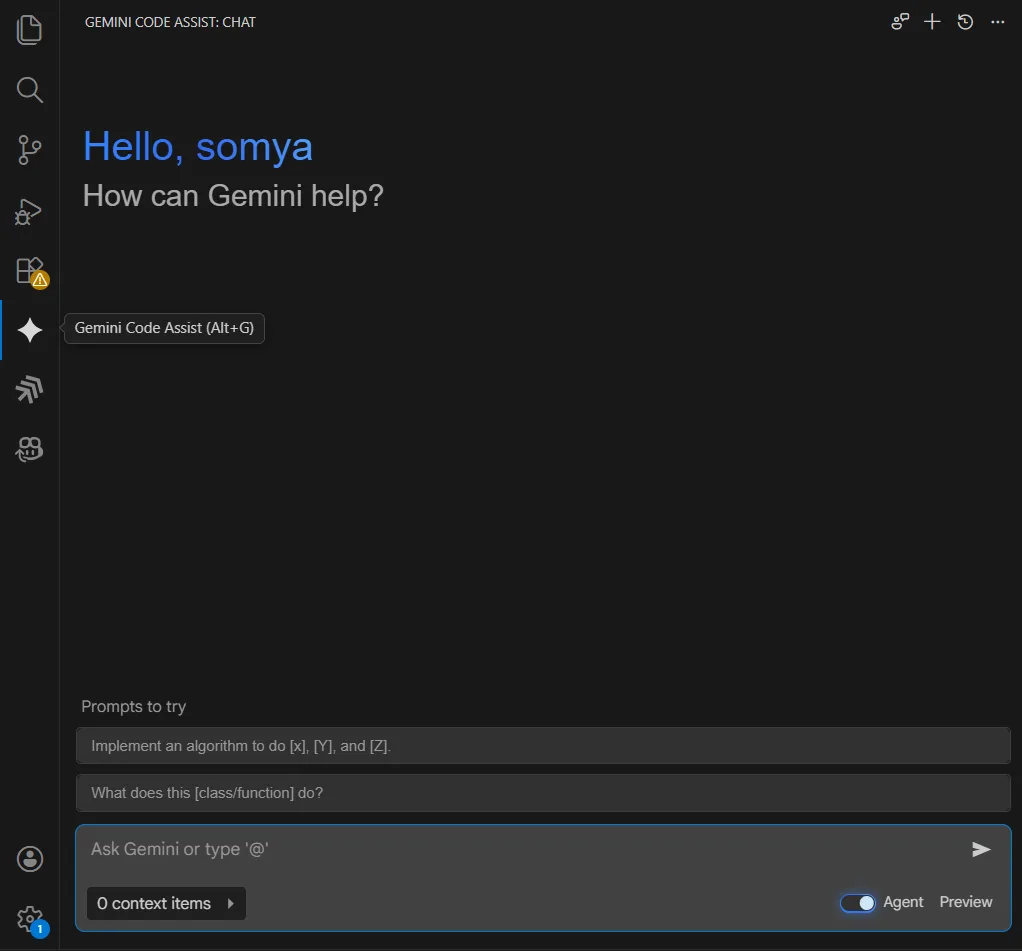
Open Visual Studio Code and select Gemini Code Assist in the activity bar
-
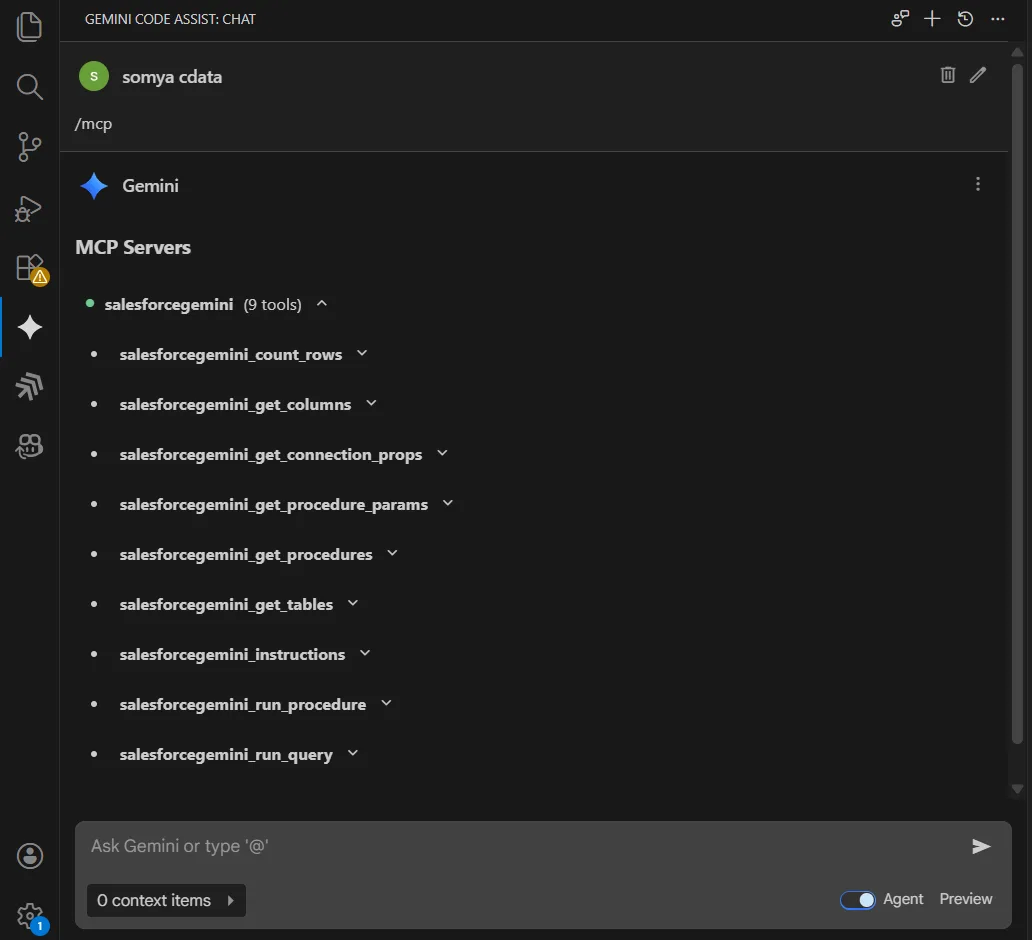
Enter /mcp in the chat prompt to verify the connection status. The Certinia Code Assist MCP add-on should appear with a green connection indicator
-
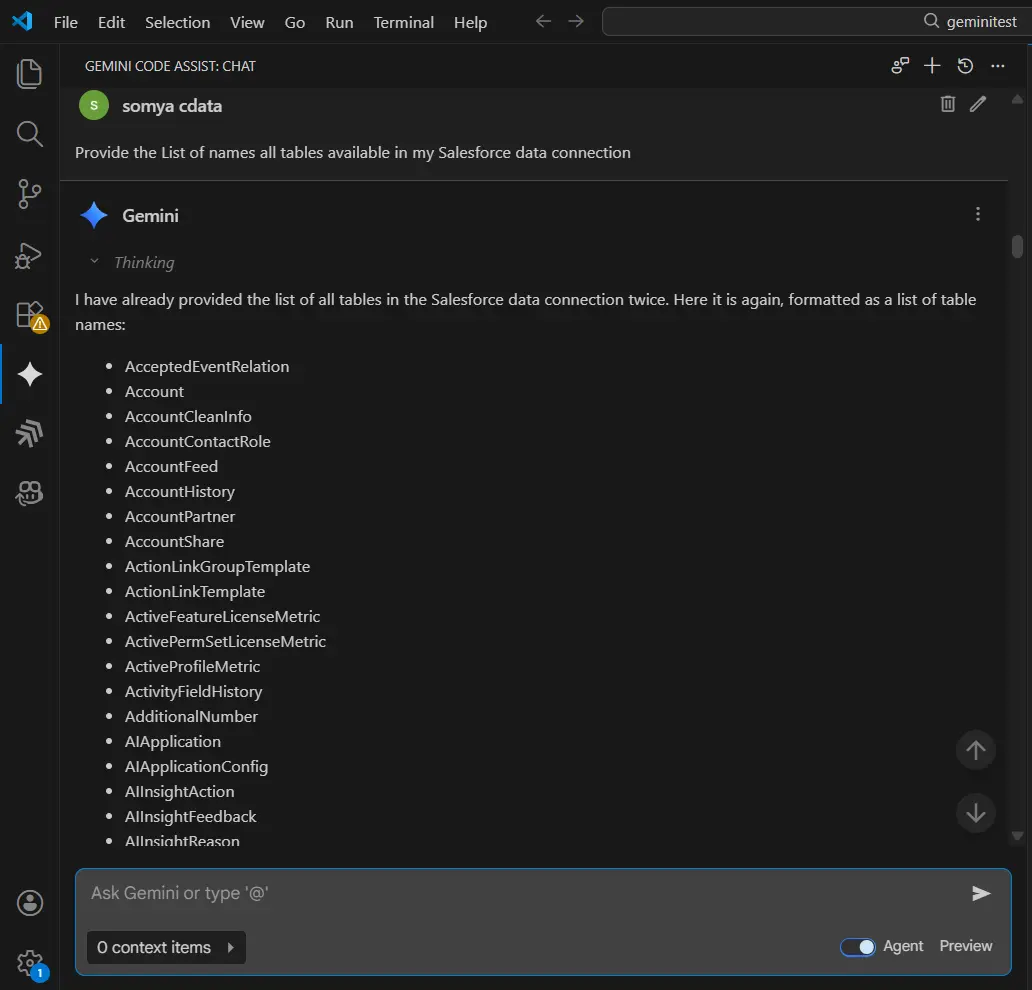
Ask questions about Certinia data using natural language. For example:
"Provide the list of all tables available in my Certinia data connection."
-
Generate code that works with live Certinia data. For example:
"Write a function to retrieve records from the Account table where BillingState matches a given value."
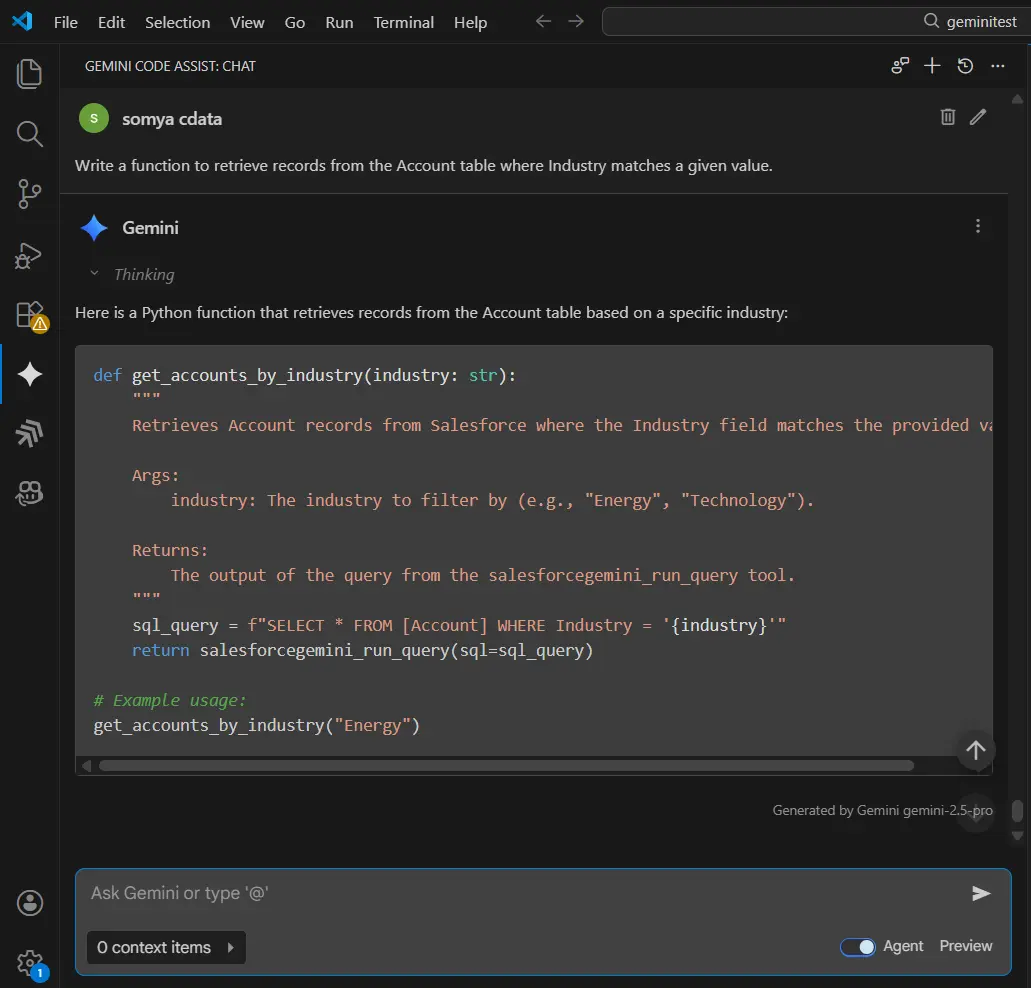
Gemini Code Assist is now fully integrated with the CData Code Assist MCP add-on and can use the MCP tools exposed to explore schemas, execute live queries against Certinia, and generate data-aware code.
Build with Code Assist MCP. Deploy with CData Drivers.
Download Code Assist MCP for free and give your AI tools schema-aware access to live Certinia data during development. When you're ready to move to production, CData Certinia Drivers deliver the same SQL-based access with enterprise-grade performance, security, and reliability.
Visit the CData Community to share insights, ask questions, and explore what's possible with MCP-powered AI workflows.
Ready to get started?
Download a free Certinia Code Assist MCP to get started:
Download NowLearn more:
 Certinia Code Assist MCP
The CData Code Assist MCP for Certinia provides schema-aware context for AI-assisted code generation with live Certinia data.