





SAP Business Warehouse Python Connector
SQL-based access to SAP Business Warehouse from Python
Easily connect Python-based data access, visualization, ORM, ETL, AI/ML, and custom apps with SAP Business Warehouse!



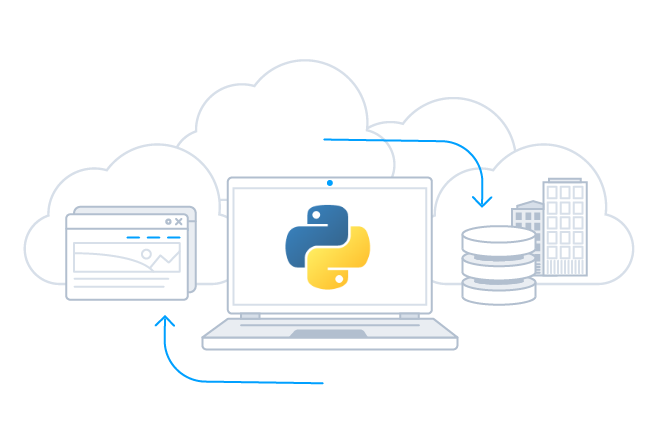
Python Connector Libraries for SAP Business Warehouse Data Connectivity. Integrate SAP Business Warehouse with popular Python tools like Pandas, SQLAlchemy, Dash & petl. Easy-to-use Python Database API (DB-API) Modules connect SAP Business Warehouse data with Python and any Python-based applications.
Features
Specifications
CData Python connectors in action!
Watch the video overview for a first hand-look at the powerful data integration capabilities included in the CData Python Connectors.
Watch the Python Connector Video OverviewPython connectivity with SAP Business Warehouse
Full-featured and consistent SQL access to any supported data source through Python
Connecting to SAP Business Warehouse with Python
CData Python Connectors leverage the Database API (DB-API) interface to make it easy to work with SAP Business Warehouse from a wide range of standard Python data tools. Connecting to and working with your data in Python follows a basic pattern, regardless of data source:
- Configure the connection properties to SAP Business Warehouse
- Query SAP Business Warehouse to retrieve or update data
- Connect your SAP Business Warehouse data with Python data tools.
Connecting to SAP Business Warehouse in Python
To connect to your data from Python, import the extension and create a connection:
Once you import the extension, you can work with all of your enterprise data using the python modules and toolkits that you already know and love, quickly building apps that help you drive business.
import cdata.sapbusinesswarehouse as mod
conn = mod.connect("[email protected]; Password=password;")

#Create cursor and iterate over results
cur = conn.cursor()
cur.execute("SELECT * FROM Tables")

rs = cur.fetchall()

for row in rs:
print(row)
engine = create_engine("sapbusinesswarehouse///Password=password&User=user")

df = pandas.read_sql("SELECT * FROM Tables", engine)

df.plot()
plt.show()
Visualize SAP Business Warehouse Data with pandas
The data-centric interfaces of the SAP Business Warehouse Python Connector make it easy to integrate with popular tools like pandas and SQLAlchemy to visualize data in real-time.
AI-assisted development with CData CLI
Build SAP Business Warehouse integrations faster with AI that understands your schema
Schema-aware AI
CData CLI gives AI coding tools access to your SAP Business Warehouse schema. No more guessing table names or column types—AI sees the same metadata in your Python Connectors.
Your AI Knows SQL
How to find table names, column names, and how to generate SQL syntax are things that AI knows well from millions of training data. No need for customization, no hallucinations. Your AI acts like a domain specialist to SAP Business Warehouse.
More Accurate, More Token-Efficient
With CData CLI's queryable schema detection and highly efficient queries with filters, aggregation, joins with correct pushdown, your AI will achieve more accuracy with less token usage.
Popular Python Videos:
