






Extend Google Sheets with Bannerbear Data

Interact with Bannerbear data from Google Sheets through macros, custom functions, and add-ons. The CData API Server enables connectivity to Bannerbear data from cloud-based and mobile applications like Google Sheets. The API Server is a lightweight Web application that produces OData services for Bannerbear.
Google Apps Script can consume these OData services in the JSON format. This article shows how to create a simple add-on that populates a Google Spreadsheet with Account data.
Set Up the API Server
If you have not already done so, download the CData API Server. Once you have installed the API Server, follow the steps below to begin producing secure Bannerbear OData services:
Connect to Bannerbear
To work with Bannerbear data from Google Sheets, we start by creating and configuring a Bannerbear connection. Follow the steps below to configure the API Server to connect to Bannerbear data:
- First, navigate to the Connections page.
-
Click Add Connection and then search for and select the Bannerbear connection.
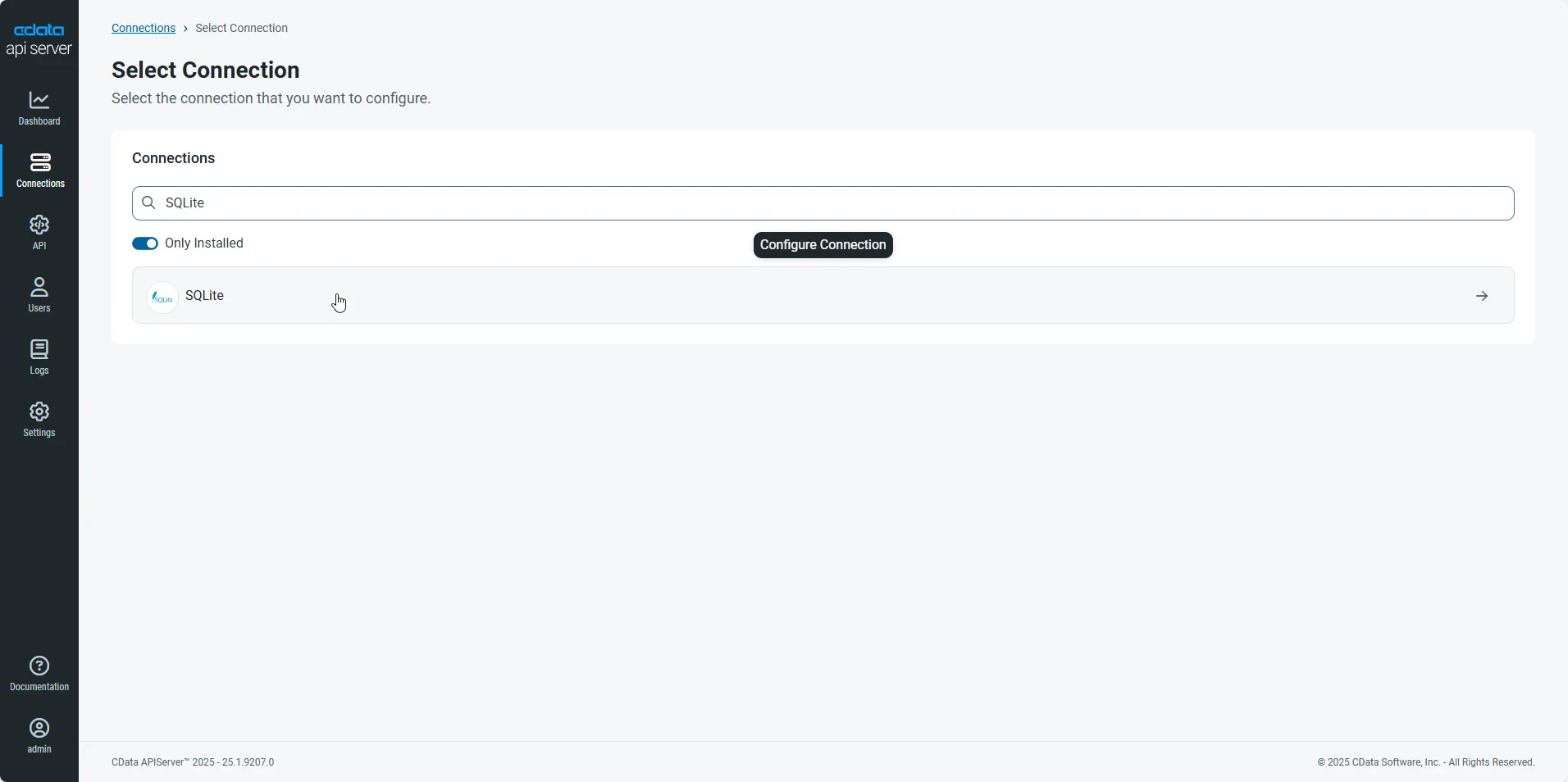
-
Enter the necessary authentication properties to connect to Bannerbear.
Start by setting the Profile connection property to the location of the Bannerbear Profile on disk (e.g. C:\profiles\Bannerbear.apip). Next, set the ProfileSettings connection property to the connection string for Bannerbear (see below).
Bannerbear API Profile Settings
Retrieve your API keys from the Bannerbear dashboard. Specify the key type (Project or Master) via the KeyType property.
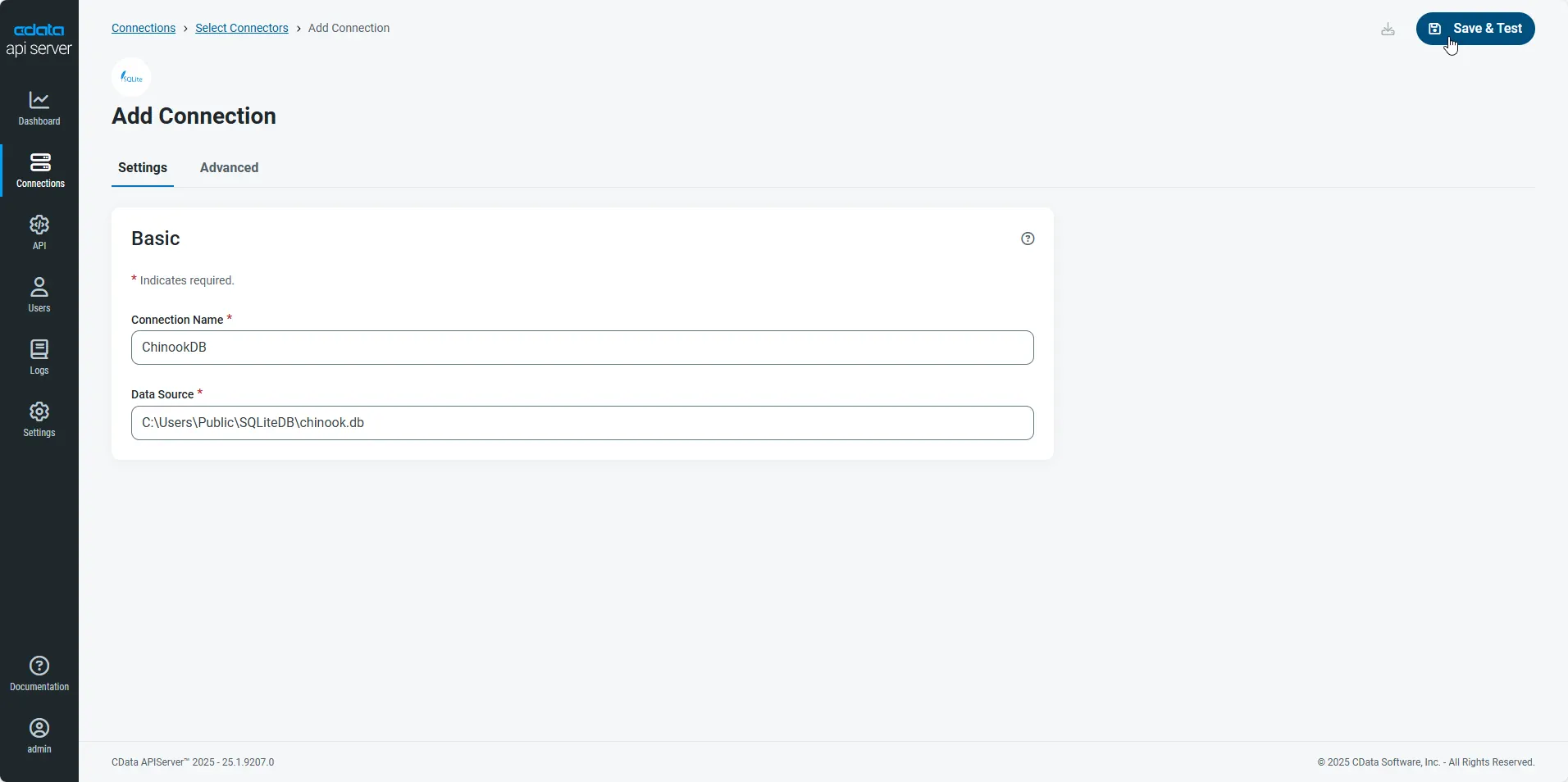
- After configuring the connection, click Save & Test to confirm a successful connection.
Configure API Server Users
Next, create a user to access your Bannerbear data through the API Server. You can add and configure users on the Users page. Follow the steps below to configure and create a user:
- On the Users page, click Add User to open the Add User dialog.
-
Next, set the Role, Username, and Privileges properties and then click Add User.
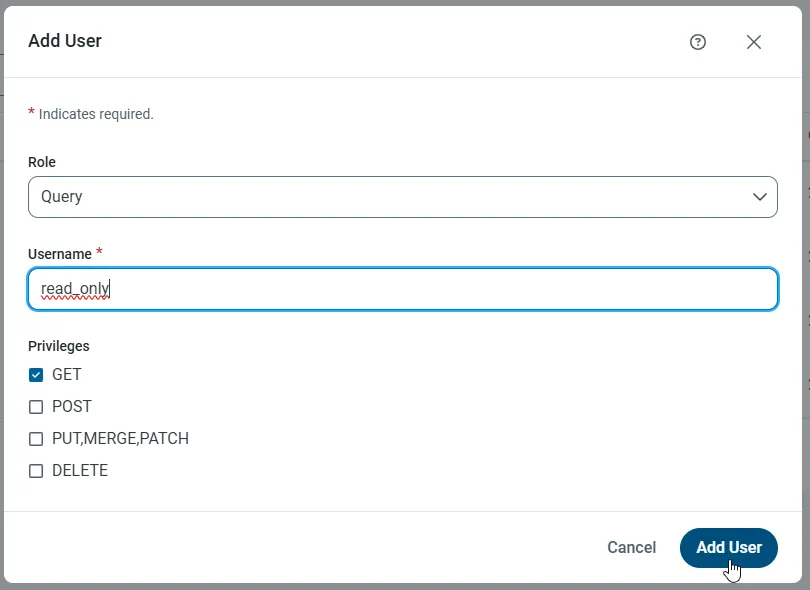
-
An Authtoken is then generated for the user. You can find the Authtoken and other information for each user on the Users page:
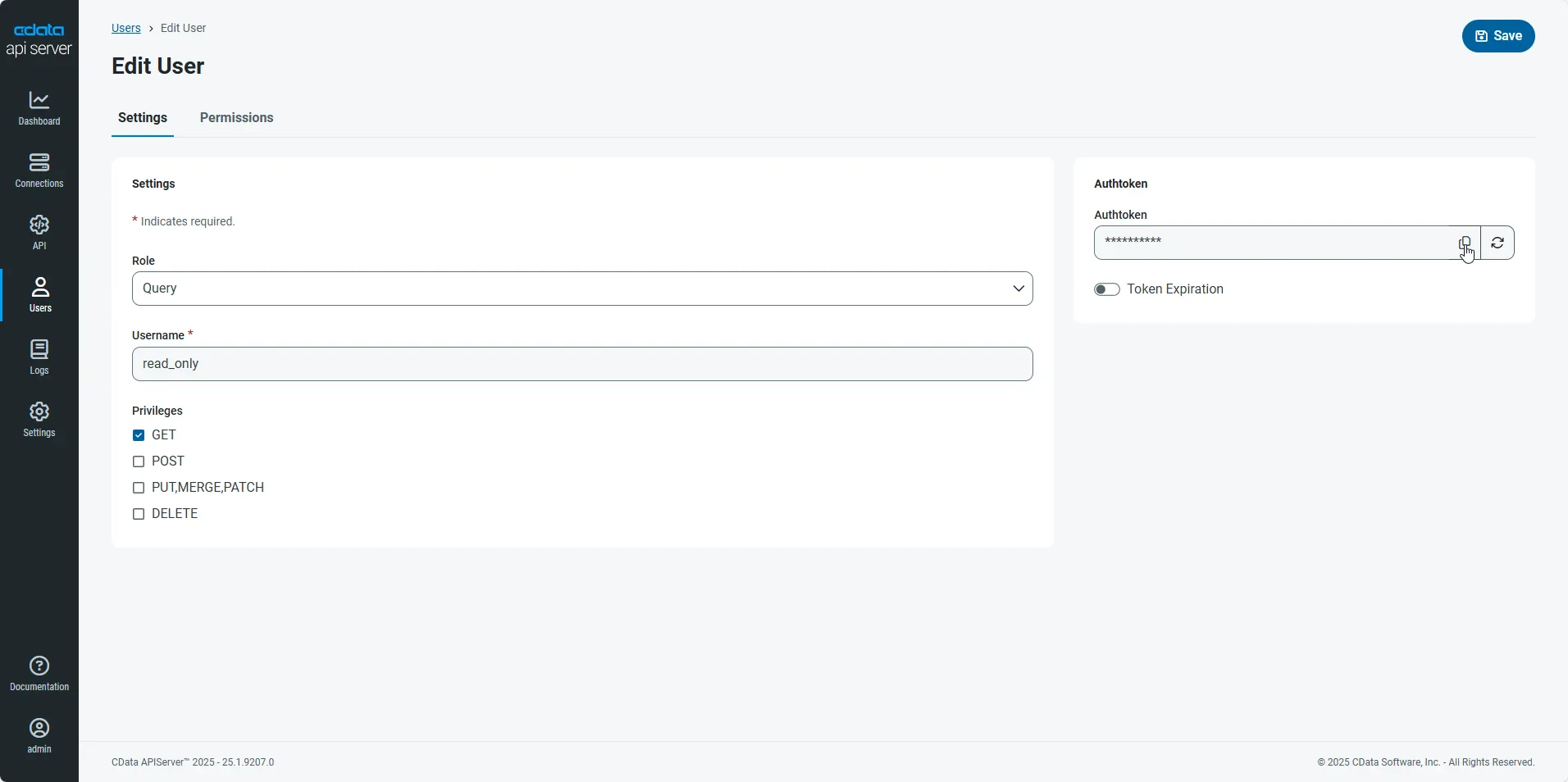
Creating API Endpoints for Bannerbear
Having created a user, you are ready to create API endpoints for the Bannerbear tables:
-
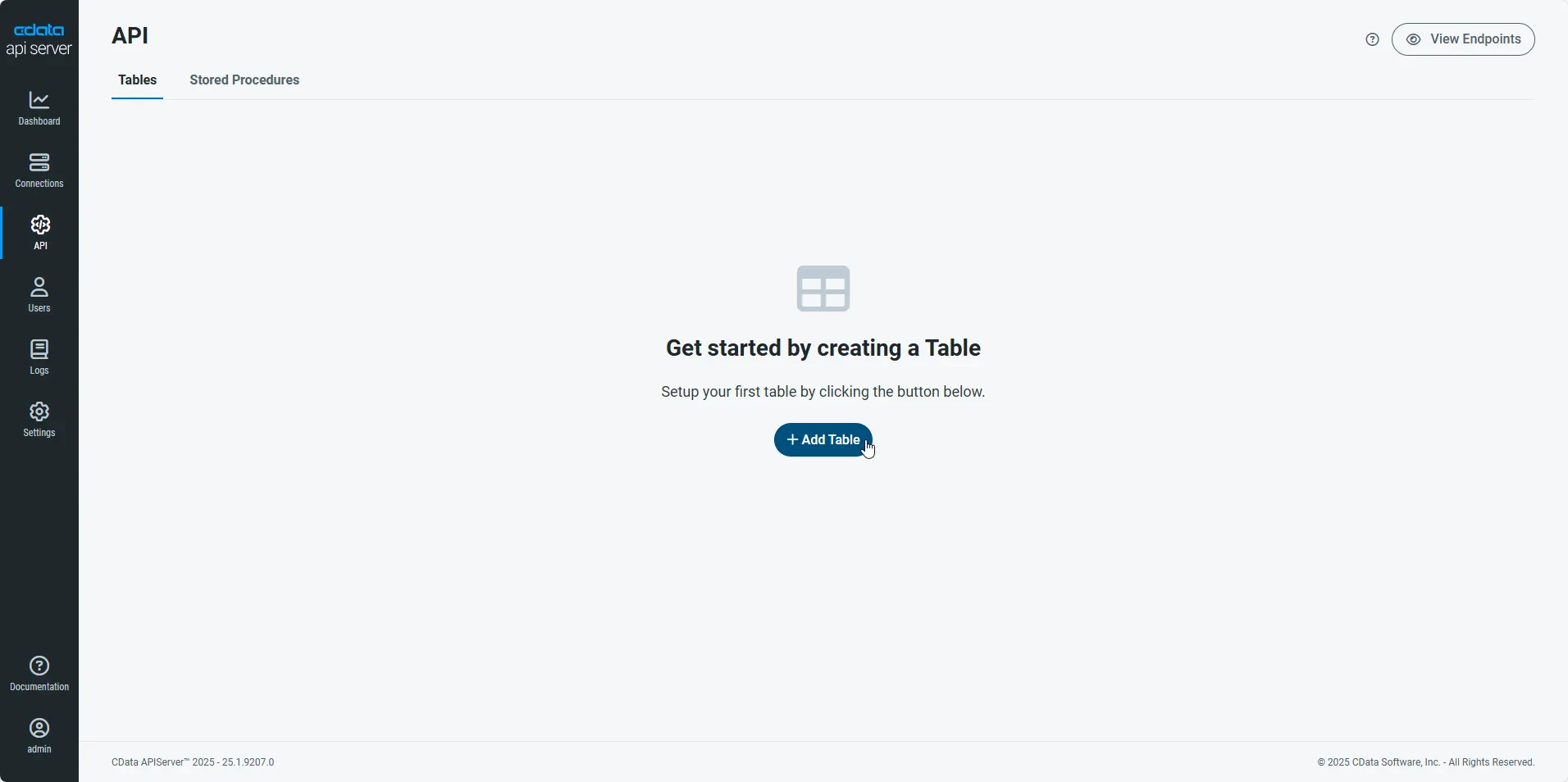
First, navigate to the API page and then click
Add Table
.
-
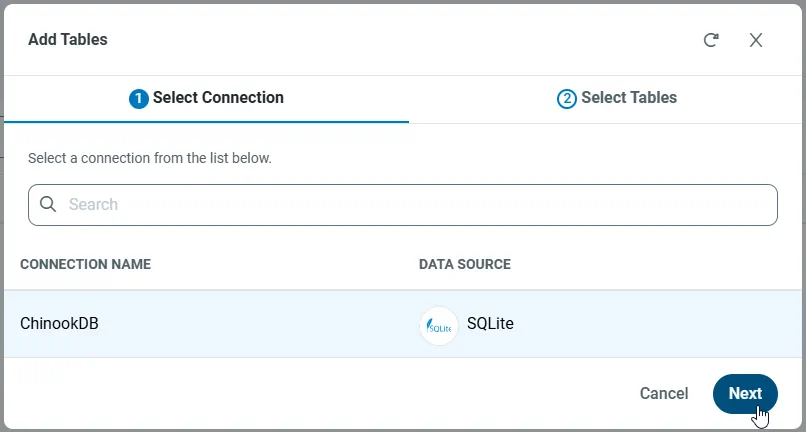
Select the connection you wish to access and click Next.
-
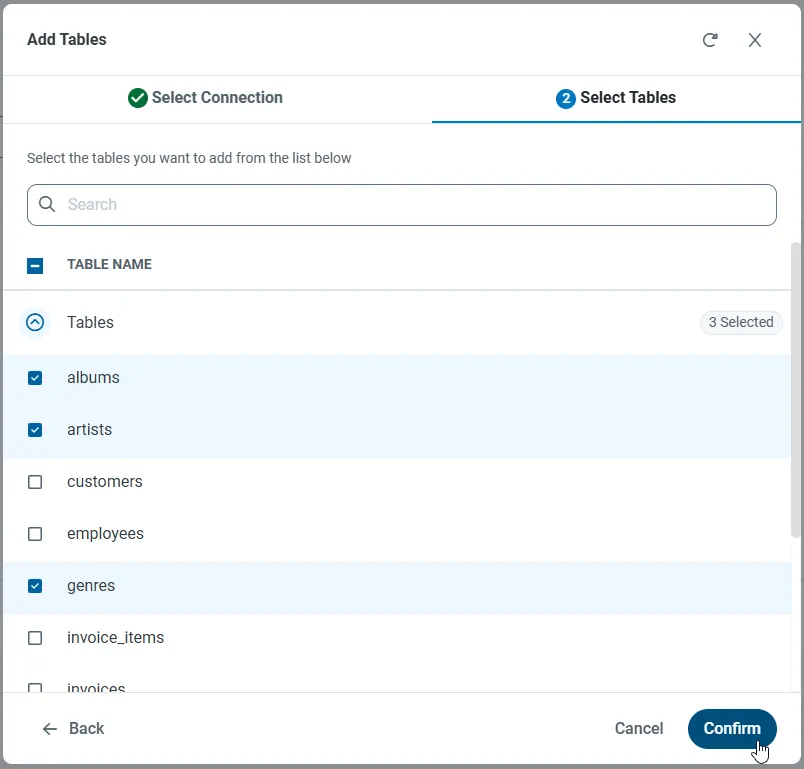
With the connection selected, create endpoints by selecting each table and then clicking Confirm.
Gather the OData Url
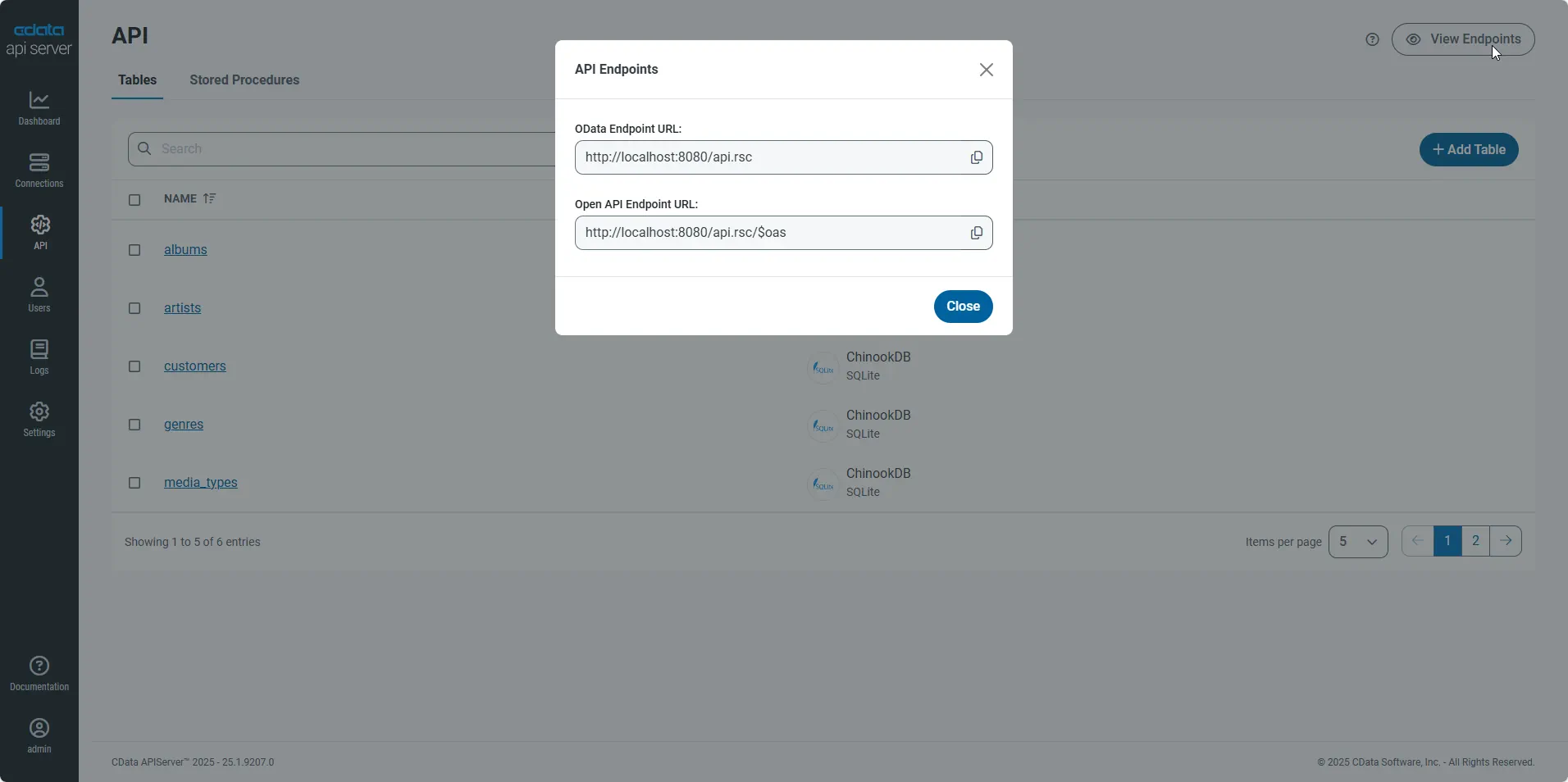
Having configured a connection to Bannerbear data, created a user, and added resources to the API Server, you now have an easily accessible REST API based on the OData protocol for those resources. From the API page in API Server, you can view and copy the API Endpoints for the API:
Retrieve Bannerbear Data
Open the Script Editor from your spreadsheet by clicking Tools -> Script Editor. In the Script Editor, add the following function to populate a spreadsheet with the results of an OData query:
function retrieve(){
  var url = "https://MyUrl/api.rsc/Account?select=Id,Uid,CreatedAt,PaidPlanName";
  var response = UrlFetchApp.fetch(url,{
    headers: {"Authorization": "Basic " + Utilities.base64Encode("MyUser:MyAuthtoken")}
  });
  var json = response.getContentText();
  var sheet = SpreadsheetApp.getActiveSheet();
  var a1 = sheet.getRange('a1');
  var index=1;
  var account = JSON.parse(json).value;

  var cols = [["Id","Uid","CreatedAt","PaidPlanName"]];
  sheet.getRange(1,1,1,4).setValues(cols);

  row=2;
  for(var i in account){
    for (var j in account[i]) {
      switch (j) {
        case "Id":
          a1.offset(row,0).setValue(account[i][j]);
          break;
        case "Uid":
          a1.offset(row,1).setValue(account[i][j]);
          break;
        case "CreatedAt":
          a1.offset(row,2).setValue(account[i][j]);
          break;
        case "PaidPlanName":
          a1.offset(row,3).setValue(account[i][j]);
          break;
      }
    }
    row++;
  }
}
Follow the steps below to add an installable trigger to populate the spreadsheet when opened:
- Click Resources -> Current Project's Triggers -> Add a New Trigger.
- Select retrieve in the Run menu.
- Select From Spreadsheet.
- Select On open.
After closing the dialog, you are prompted to allow access to the application.
You can test the script by clicking Publish -> Test as Add-On. Select the version, installation type, and spreadsheet to create a test configuration. You can then select and run the test configuration.