






Replicate HubDB Data in Heroku for Use in Salesforce Connect

CData Sync is a standalone application that supports a wide range of replication scenarios, including replicating both sandbox and production instances into your database. By replicating HubDB data to a PostgreSQL database in Heroku, you can access HubDB external objects (via Salesforce Connect) alongside standard Salesforce objects.
Requirements
For this replication example, you need the following:
- CData Sync (trial or licensed), along with a license (full or trial) for HubDB replication.
- A Heroku app with the Heroku Postgres and Heroku Connect add-ons provisioned.
- A Salesforce account.
Configure the Replication Destination
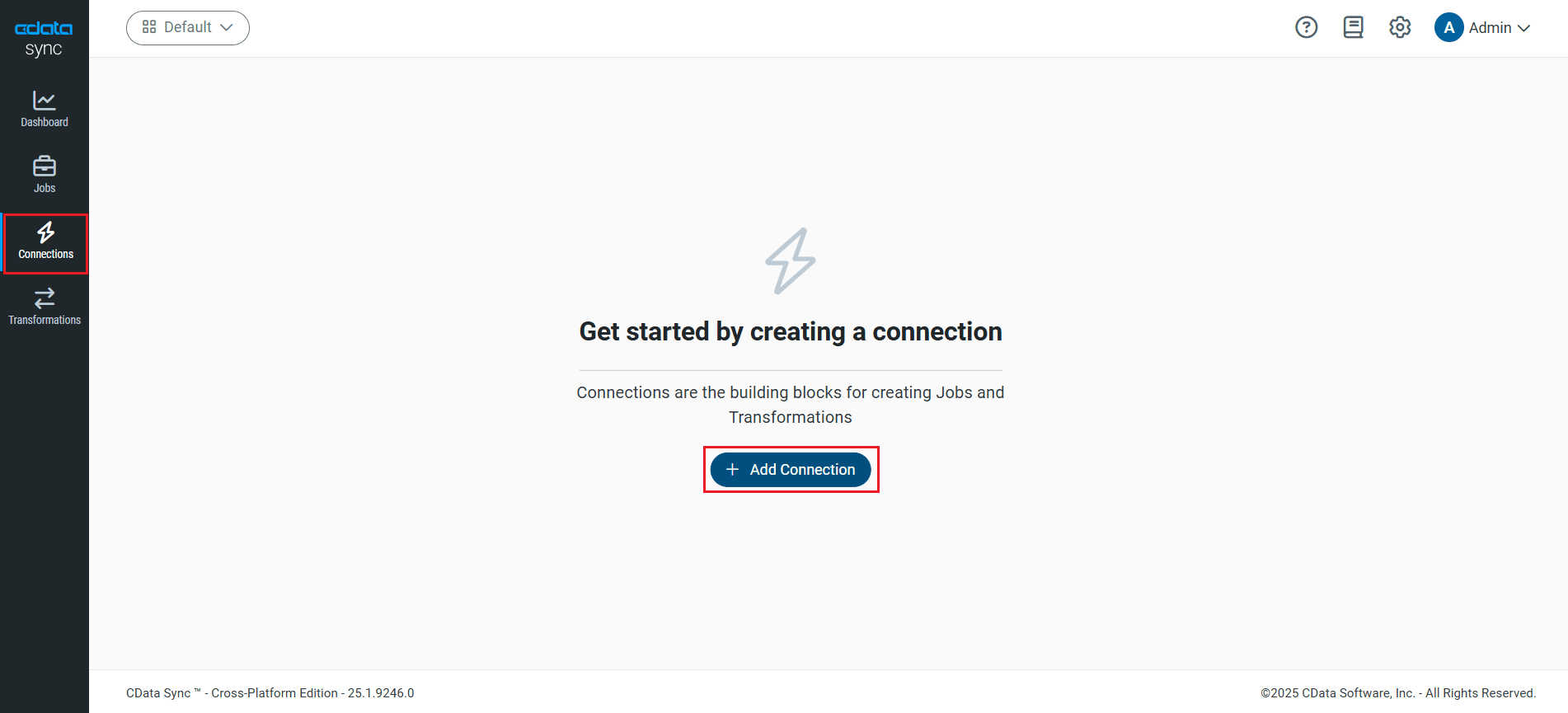
Using CData Sync, you can easily replicate data from HubDB data to a PostgreSQL database on Heroku. For this article, you will need an existing PostgreSQL database on Heroku. To add your PostgreSQL database as a replication destination, navigate to the Connections tab.
- Click Add Connection.
- Select the Destinations tab and locate the PostgreSQL connector.
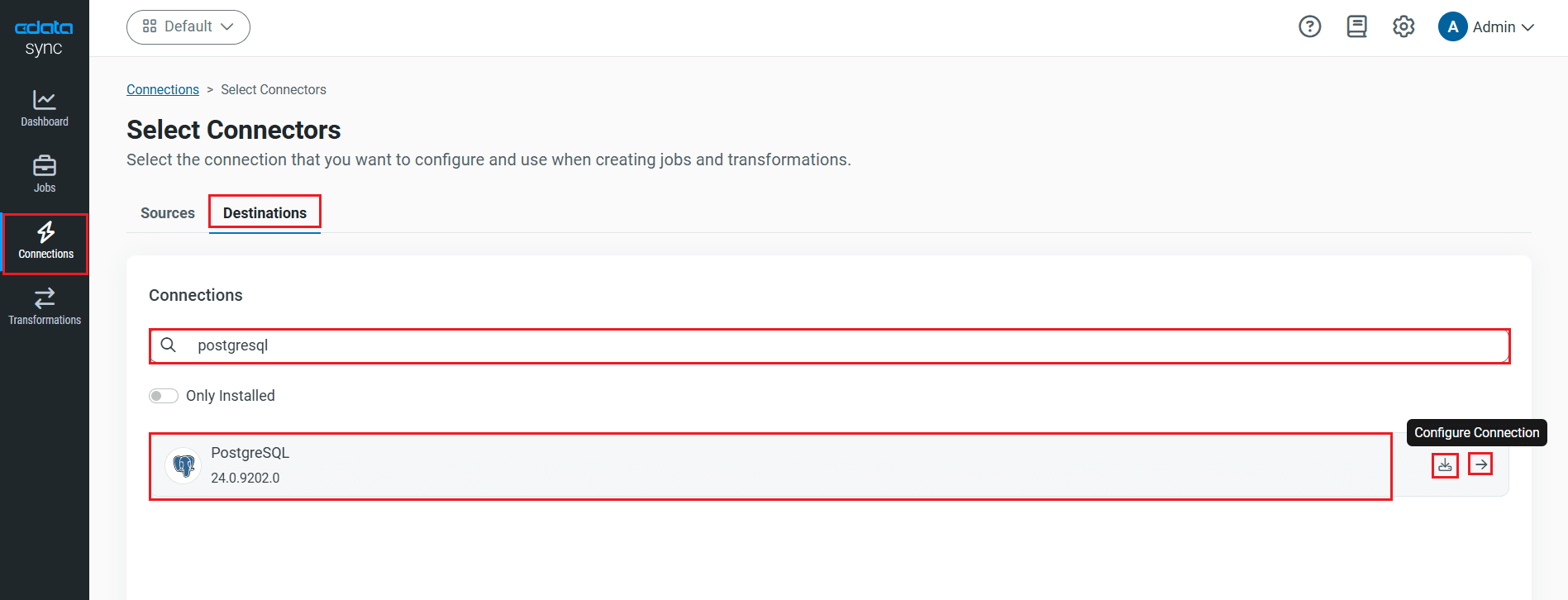
- Click the Configure Connection icon at the end of that row to open the New Connection page. If the Configure Connection icon is not available, click the Download Connector icon to install the PostgreSQL connector. For more information about installing new connectors, see Connections in the Help documentation.
- To connect to PostgreSQL, set the following connection properties:
- Connection Name: Enter a connection name of your choice for the PostgreSQL connection.
- Server: Enter the host name or IP of the server that hosts the PostgreSQL database. The default server value is localhost.
- Auth Scheme: Select the authentication scheme. The default auth scheme is Password.
- Port: Enter the port number of the server that hosts the PostgreSQL database. The default port value is 5432.
- User: Enter the user ID provided for authentication with the PostgreSQL database.
- Password: Enter the password provided for authentication with the PostgreSQL database.
- Database: Enter the name of the database. If not specified, use the default database.
- Once connected, click Create & Test to create, test and save the connection.
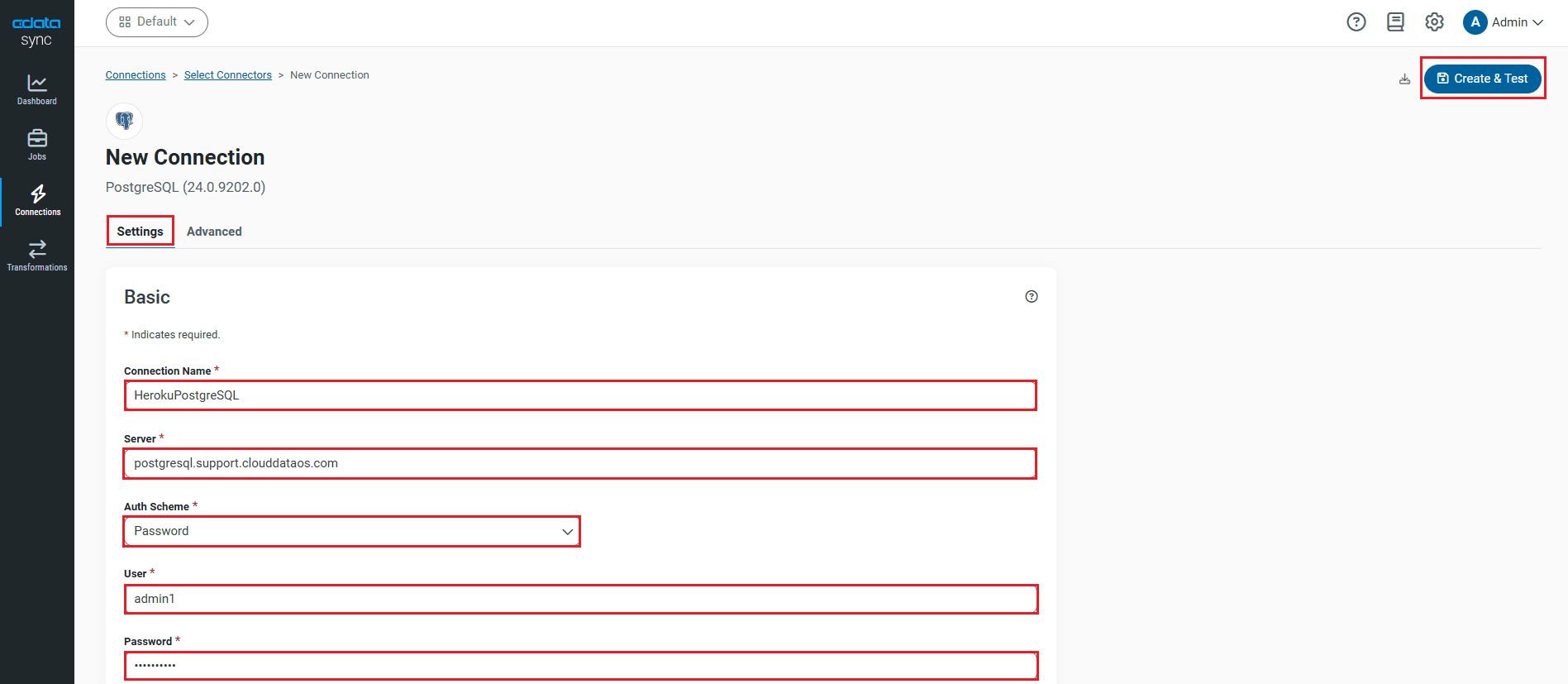
You are now connected to PostgreSQL and can use it as both a source and a destination.
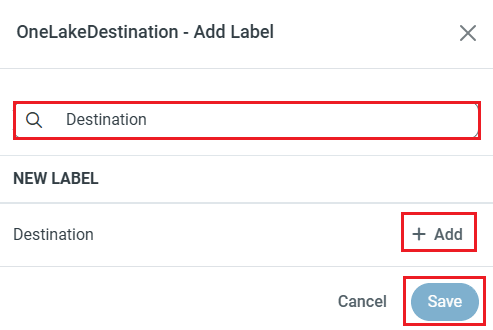
NOTE: You can use the Label feature to add a label for a source or a destination.
Configure the HubDB Connection
You can configure a connection to HubDB from the Connections tab. To add a connection to your HubDB account, navigate to the Connections tab.
- Click Add Connection.
- Select a source (HubDB).
- Configure the connection properties.
There are two authentication methods available for connecting to HubDB data source: OAuth Authentication with a public HubSpot application and authentication with a Private application token.
Using a Custom OAuth App
AuthScheme must be set to "OAuth" in all OAuth flows. Be sure to review the Help documentation for the required connection properties for you specific authentication needs (desktop applications, web applications, and headless machines).
Follow the steps below to register an application and obtain the OAuth client credentials:
- Log into your HubSpot app developer account.
- Note that it must be an app developer account. Standard HubSpot accounts cannot create public apps.
- On the developer account home page, click the Apps tab.
- Click Create app.
- On the App info tab, enter and optionally modify values that are displayed to users when they connect. These values include the public application name, application logo, and a description of the application.
- On the Auth tab, supply a callback URL in the "Redirect URLs" box.
- If you're creating a desktop application, set this to a locally accessible URL like http://localhost:33333.
- If you are creating a Web application, set this to a trusted URL where you want users to be redirected to when they authorize your application.
- Click Create App. HubSpot then generates the application, along with its associated credentials.
- On the Auth tab, note the Client ID and Client secret. You will use these later to configure the driver.
Under Scopes, select any scopes you need for your application's intended functionality.
A minimum of the following scopes is required to access tables:
- hubdb
- oauth
- crm.objects.owners.read
- Click Save changes.
- Install the application into a production portal with access to the features that are required by the integration.
- Under "Install URL (OAuth)", click Copy full URL to copy the installation URL for your application.
- Navigate to the copied link in your browser. Select a standard account in which to install the application.
- Click Connect app. You can close the resulting tab.
Using a Private App
To connect using a HubSpot private application token, set the AuthScheme property to "PrivateApp."
You can generate a private application token by following the steps below:
- In your HubDB account, click the settings icon (the gear) in the main navigation bar.
- In the left sidebar menu, navigate to Integrations > Private Apps.
- Click Create private app.
- On the Basic Info tab, configure the details of your application (name, logo, and description).
- On the Scopes tab, select Read or Write for each scope you want your private application to be able to access.
- A minimum of hubdb and crm.objects.owners.read is required to access tables.
- After you are done configuring your application, click Create app in the top right.
- Review the info about your application's access token, click Continue creating, and then Show token.
- Click Copy to copy the private application token.
To connect, set PrivateAppToken to the private application token you retrieved.
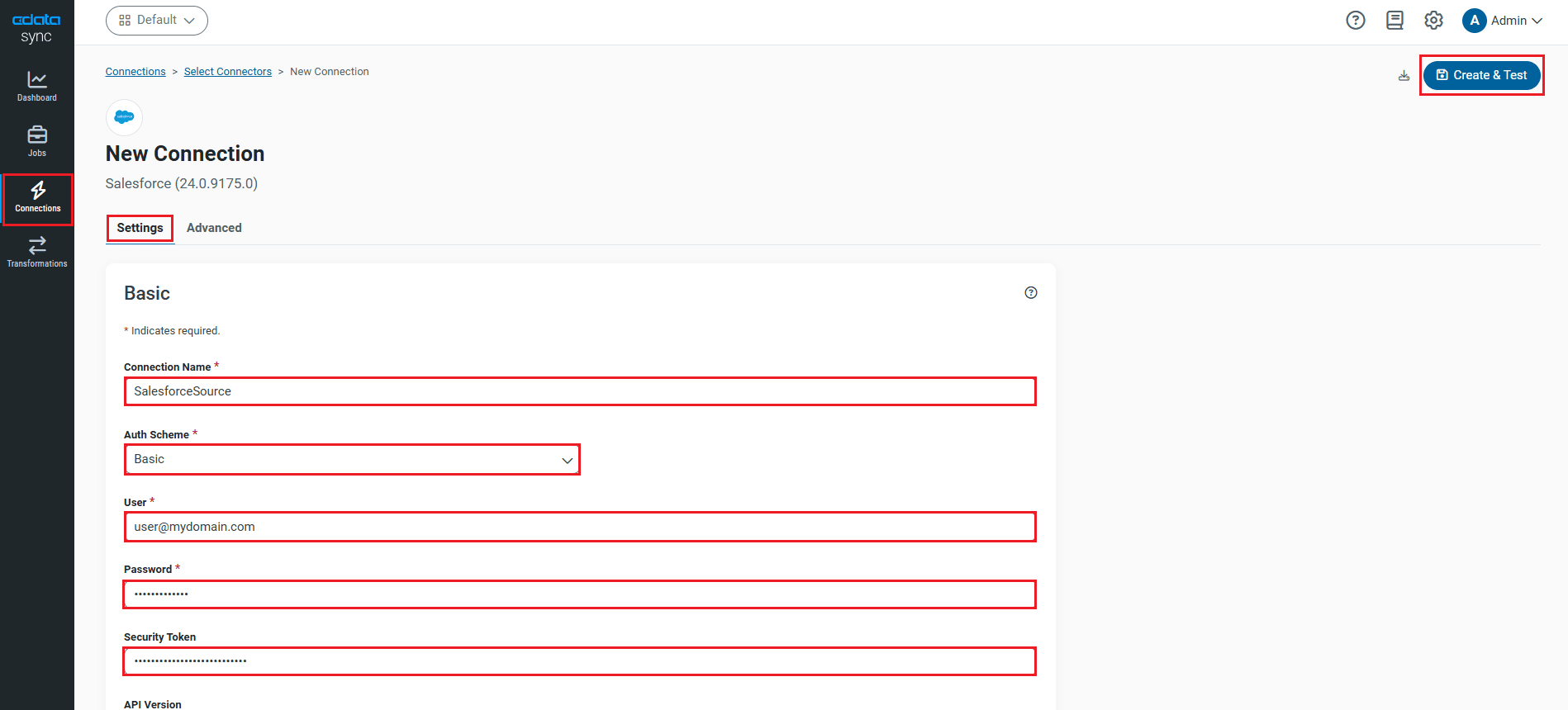
- Log into your HubSpot app developer account.
- Click Connect to HubDB to ensure that the connection is configured properly.
- Click Save & Test to save the changes.
Configure Queries for Each HubDB Instance
CData Sync enables you to control replication with a point-and-click interface and with SQL queries. For each replication you wish to configure, navigate to the Jobs tab and click Add Job. Select the Source and Destination for your replication.
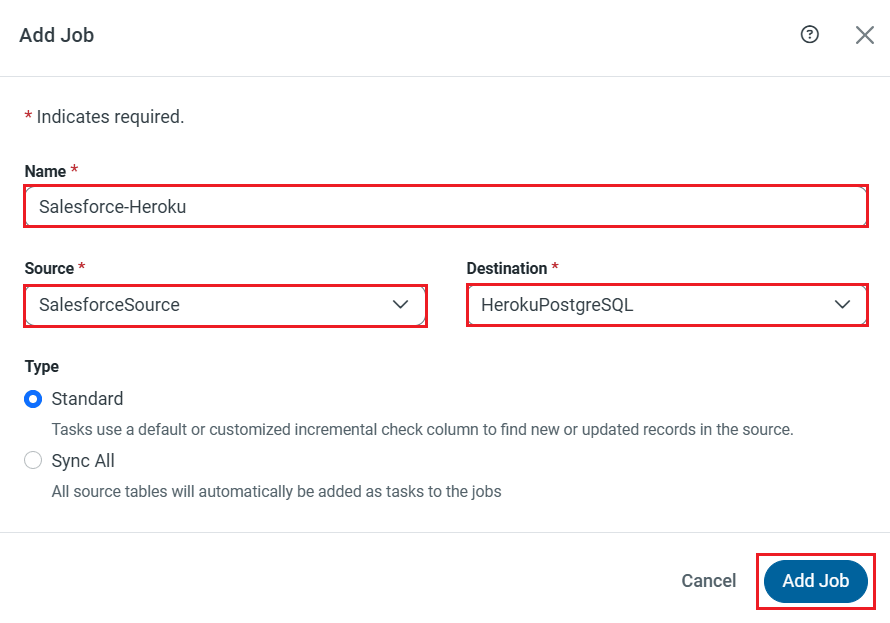
Replicate Entire Tables
To replicate an entire table, navigate to the Task tab in the Job, click Add Tasks, choose the table(s) from the list of HubDB tables you wish to replicate into PostgreSQL, and click Add Tasks again.
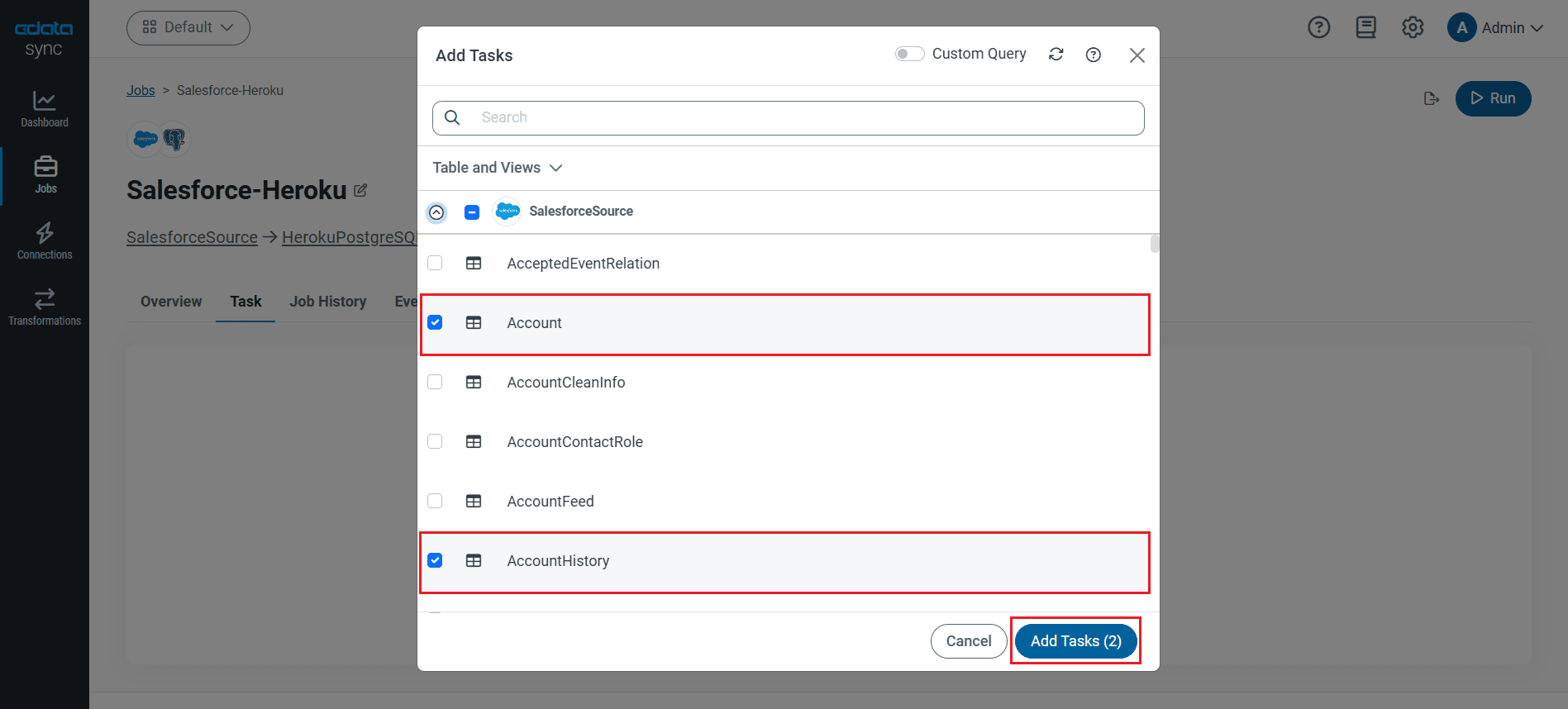
Customize Your Replication
You can use the Columns and Query tabs of a task to customize your replication. The Columns tab allows you to specify which columns to replicate, rename the columns at the destination, and even perform operations on the source data before replicating. The Query tab allows you to add filters, grouping, and sorting to the replication with the help of SQL queries.
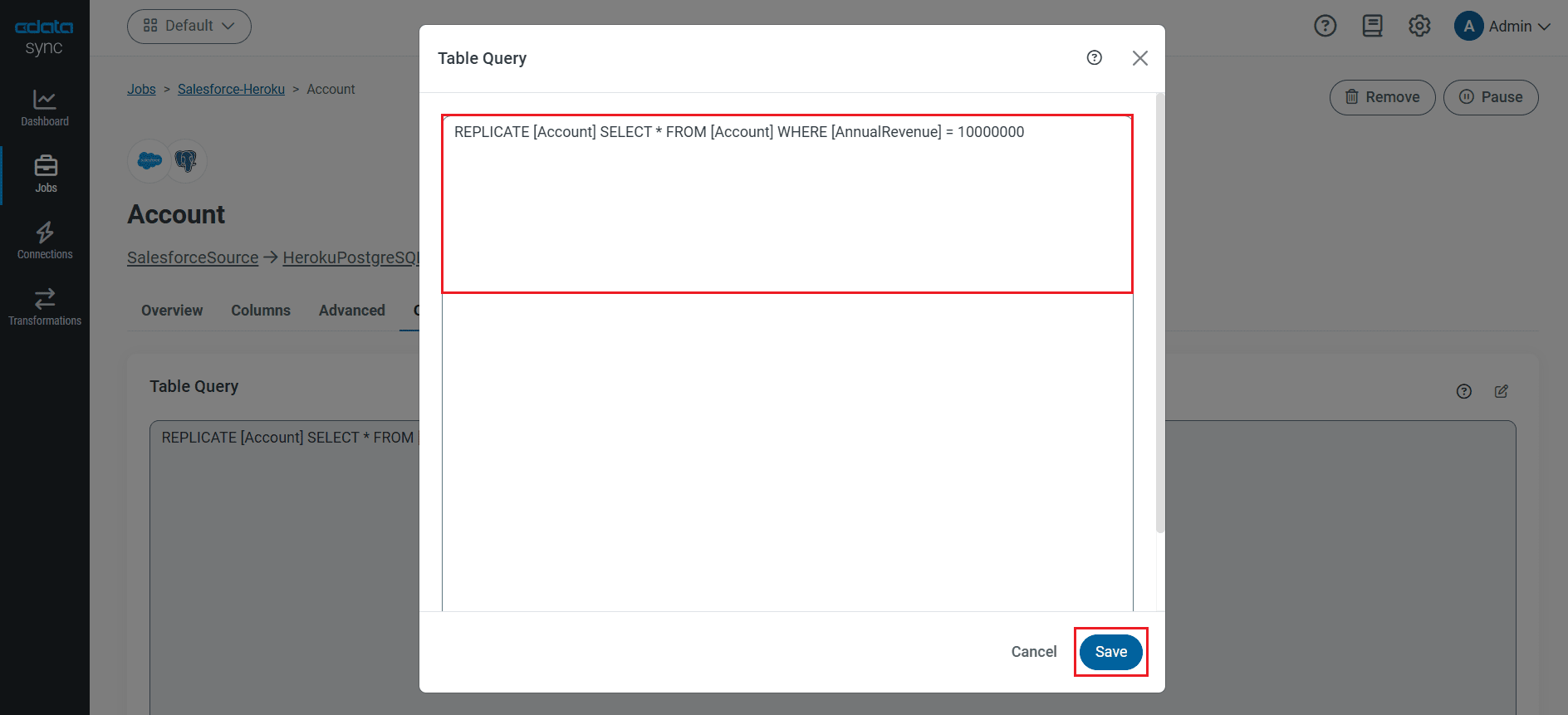
As you make changes using the interface, the SQL query used for the replication changes, going from something simple, like this:
REPLICATE [NorthwindProducts]
to something customized and more complex, like this:
REPLICATE [NorthwindProducts] SELECT [PartitionKey], [Name] FROM [NorthwindProducts] WHERE [Id] = 1
Schedule Your Replication
Select the Overview tab in the Job, and click Configure under Schedule. You can schedule a job to run automatically by configuring it to run at specified intervals, ranging from once every 10 minutes to once every month.
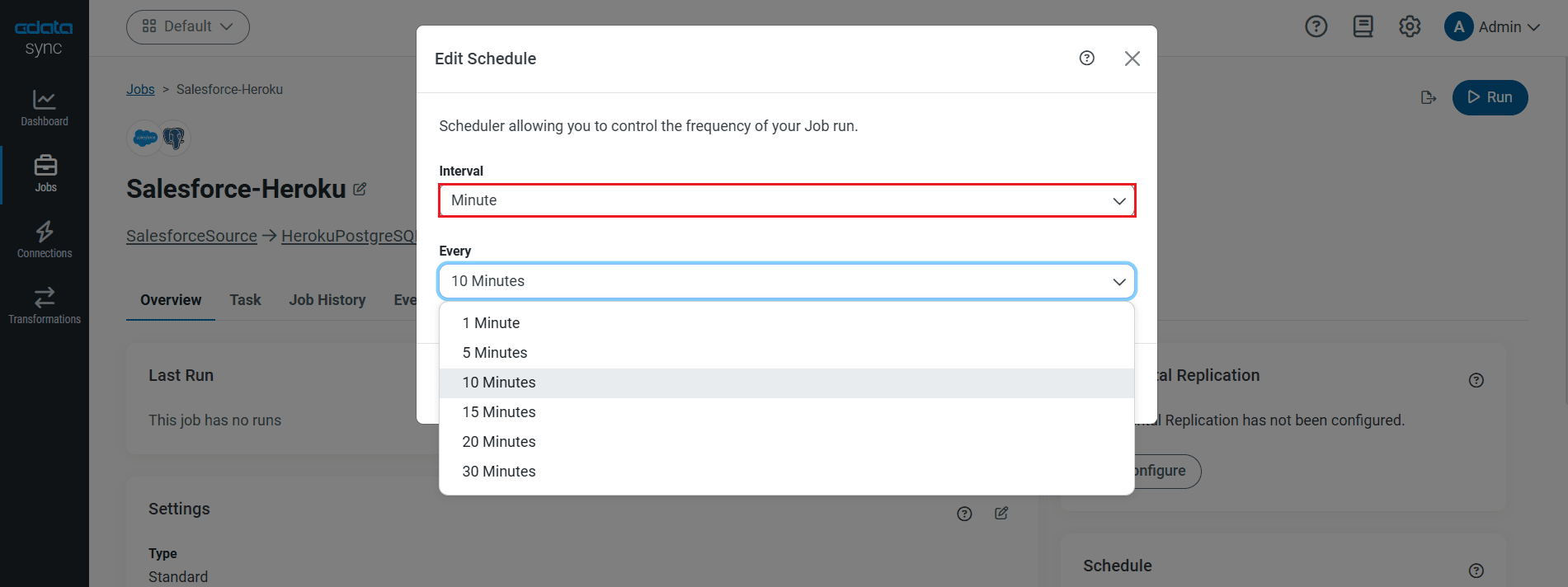
Once you have configured the replication job, click Save Changes. You can configure any number of jobs to manage the replication of your HubDB data to PostgreSQL.
Run the Replication Job
Once all the required configurations are made for the job, select the HubDB table you wish to replicate and click Run. After the replication completes successfully, a notification appears, showing the time taken to run the job and the number of rows replicated.
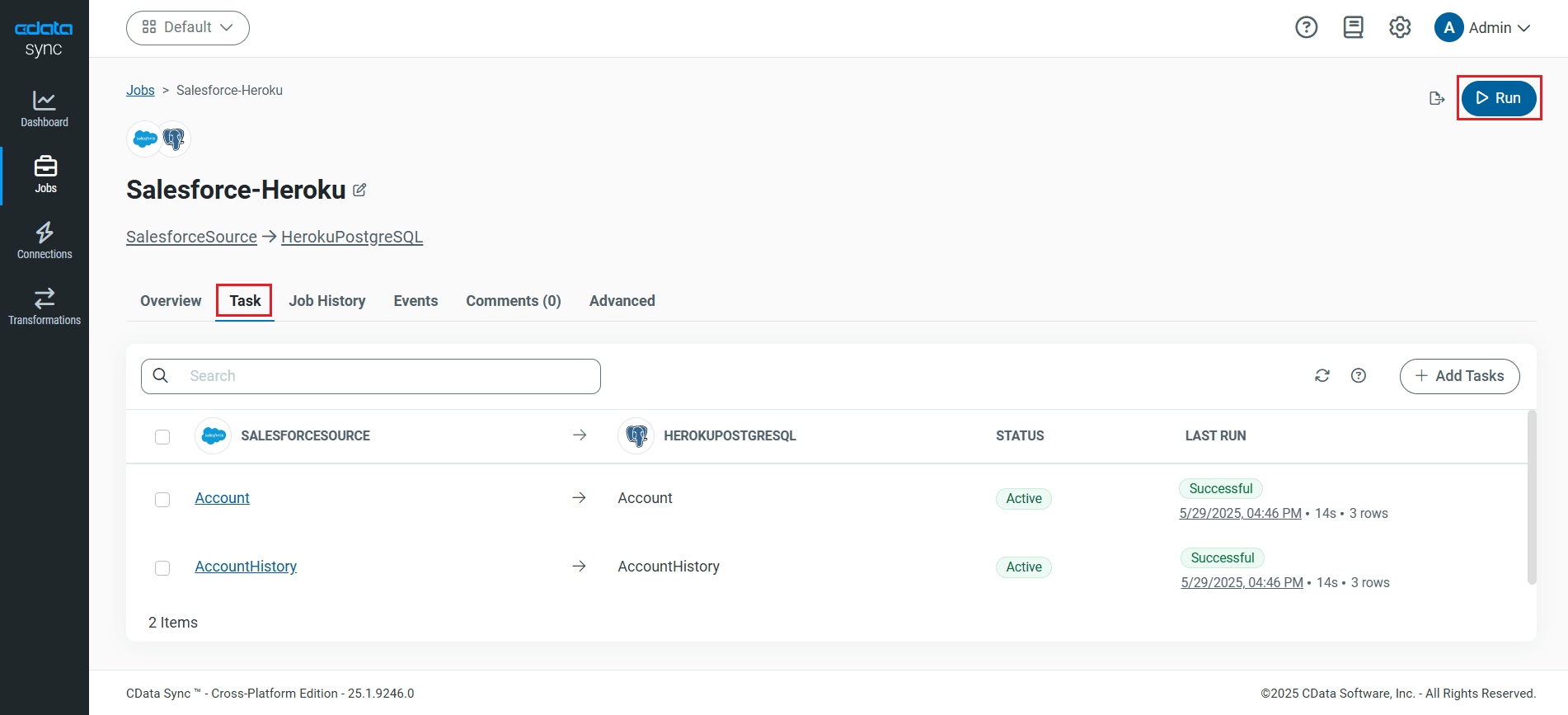
The HubDB data tables are now replicated in Heroku PostgreSQL database.
Connect to Your Replicated HubDB Data as an External Data Source
Once your HubDB data is replicated to the PostgreSQL database on Heroku, configure the OData interface for Heroku and connect to the database as an external data source via Salesforce Connect.
Configure the OData Service for Heroku
The first part of connecting to HubDB data replicated to a PostgreSQL database on Heroku is configuring the Heroku External Objects for the database.
- In your Heroku dashboard, click the Heroku Connect Add-On.
- Select External Objects. (If this is the first time using Heroku External Object, you will be prompted to create the OData service's login credentials)
- View the OData service URL and credentials (noting the URL and credentials to be used later from Salesforce Connect).
- In Data Sources, select which replicated tables to share.
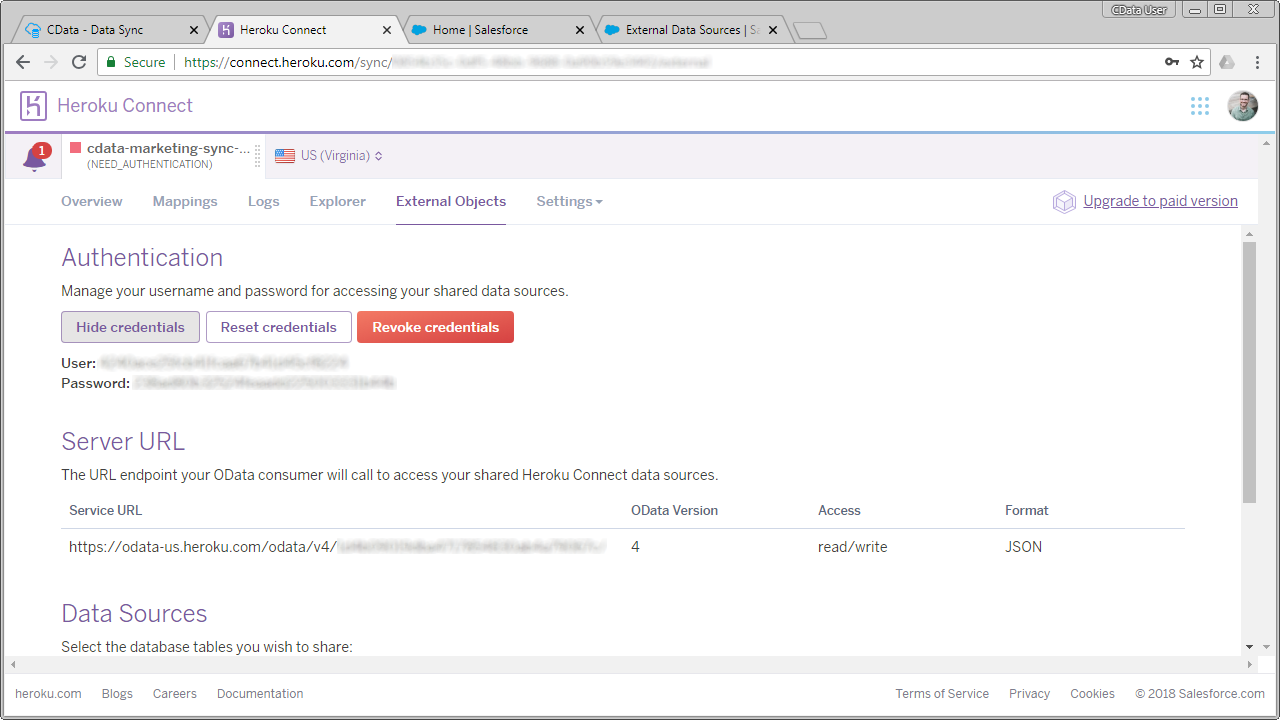
Refer to the Heroku documentation for more detailed instructions.
Configure an External Data Source in Salesforce
After the OData service for Heroku is configured, we can connect to the replicated HubDB data as an external data source from Salesforce Connect.
- In Salesforce, click Setup
- In the Administration section, click Data -> External Data Sources
- Set the data source parameter properties:
- External Data Source: the name you wish to display in the Salesforce user interface
- Name: a unique identifier for the API
- Type: Salesforce Connect: OData 4.0
- URL: Enter the OData endpoint from Heroku Connect (above)
- Format: JSON
- Set Authentication:
- Identity Type: Named Principal
- Authentication Protocol: Password Authentication
- Username: the Heroku Connect username
- Password: the Heroku Connect password
- Click Save.
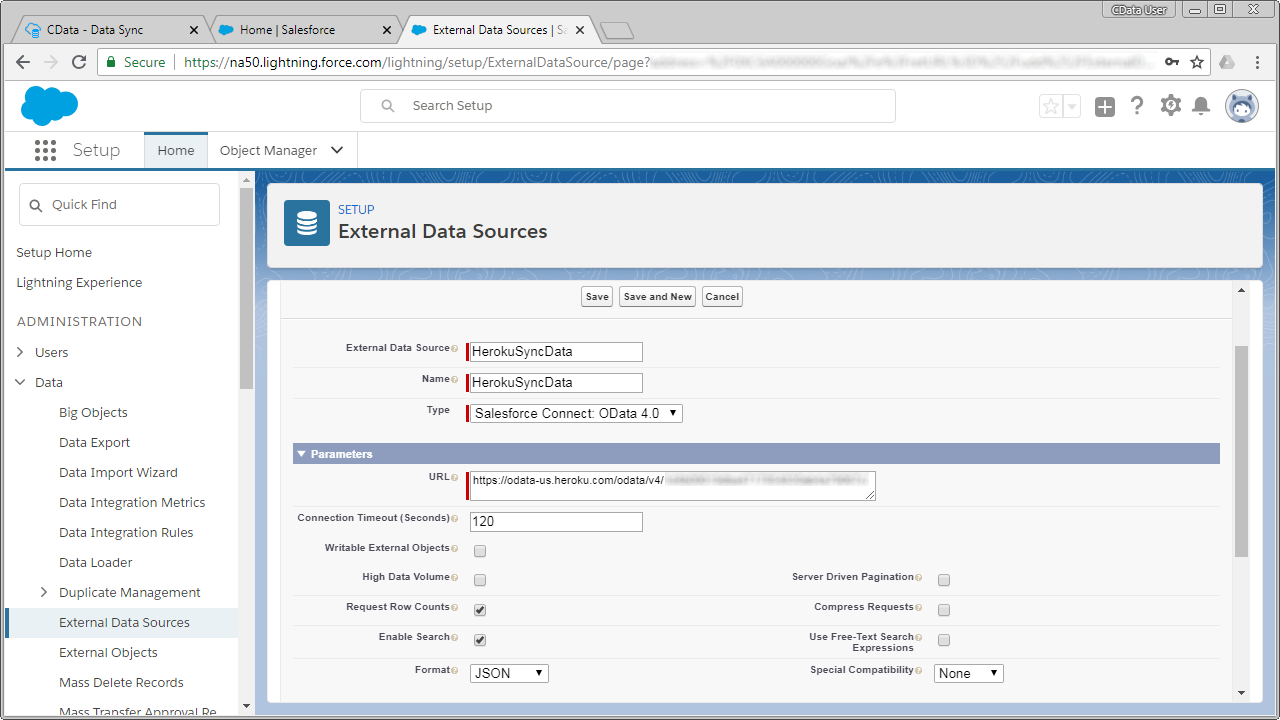
Synchronize HubDB Objects
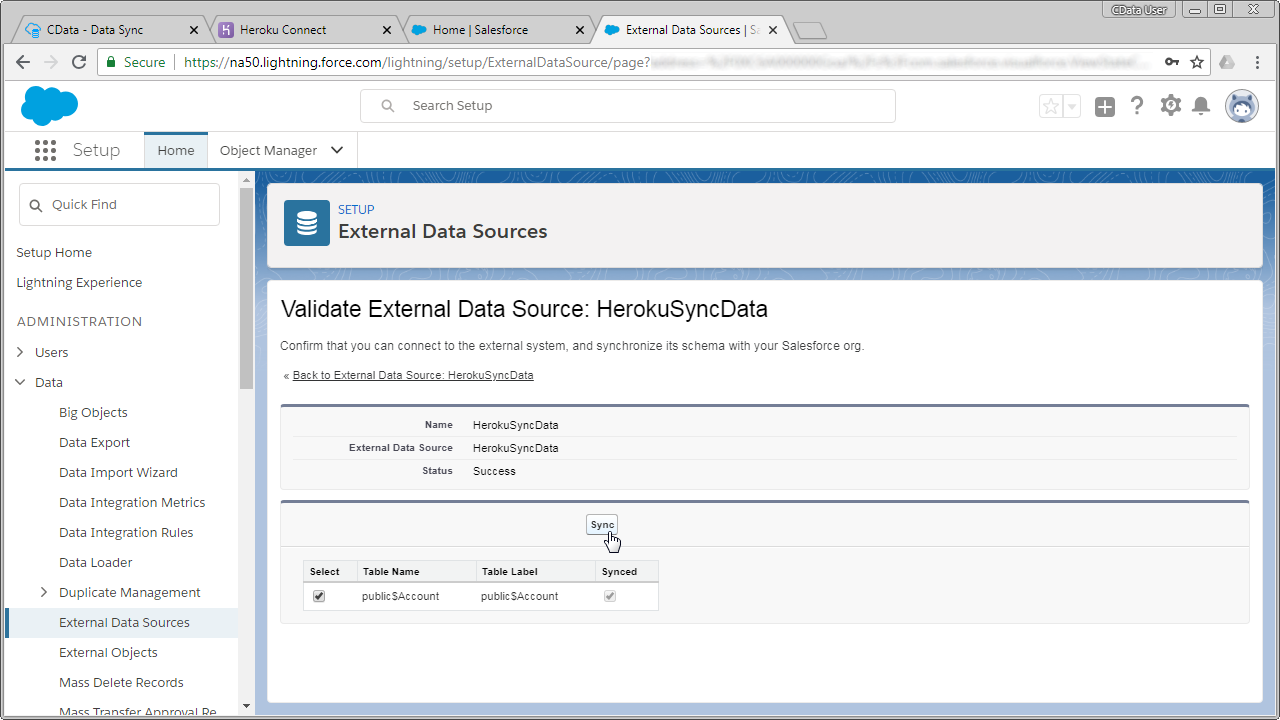
After you have created the external data source in Salesforce, follow the steps below to create HubDB external objects that reflect any changes in the data source. You will synchronize the definitions for the HubDB external objects with the definitions for HubDB tables.
- Click the link for the external data source you created.
- Click Validate and Sync.
- Select the HubDB tables you want to work with as external objects and click Sync.
Access HubDB Data as Salesforce Objects
At this point, you will be able to connect to and work with your replicated HubDB entities as external objects just as you would with standard Salesforce objects, whether you are simply viewing the data or building related lists of external HubDB data alongside standard Salesforce objects.
Download a 30-day free trial of CData Sync and replicate your HubDB data for use with Salesforce Connect today!