






LINQ to Hubstaff Data

This article illustrates using LINQ to access tables within the Hubstaff via the CData ADO.NET Data Provider for Hubstaff. To achieve this, we will use LINQ to Entity Framework, which facilitates the generation of connections and can be seamlessly employed with any CData ADO.NET Data Providers to access data through LINQ.
See the help documentation for a guide to setting up an EF 6 project to use the provider.
- In a new project in Visual Studio, right-click on the project and choose to add a new item. Add an ADO.NET Entity Data Model.
- Choose EF Designer from Database and click Next.
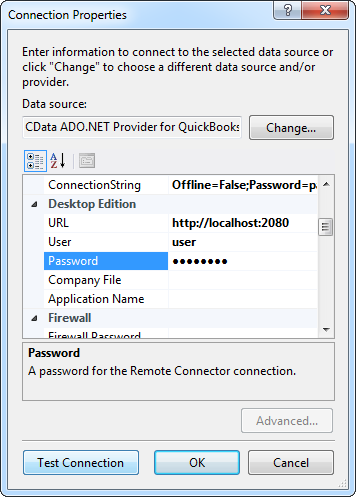
- Add a new Data Connection, and change your data source type to "CData Hubstaff Data Source".
Enter your data source connection information.
Start by setting the Profile connection property to the location of the Hubstaff Profile on disk (e.g. C:\profiles\Hubstaff.apip). Next, set the ProfileSettings connection property to the connection string for Hubstaff (see below).
Hubstaff API Profile Settings
Register an OAuth application at developer.hubstaff.com/apps to obtain your Client ID and Client Secret.
Below is a typical connection string:
Profile=C:\profiles\Hubstaff.apip;Authscheme=OAuth;OAuthClientId=your_client_id;OAuthClientSecret=your_client_secret;CallbackUrl=your_callback_url;
- If saving your entity connection to App.Config, set an entity name. In this example we are setting APIEntities as our entity connection in App.Config.
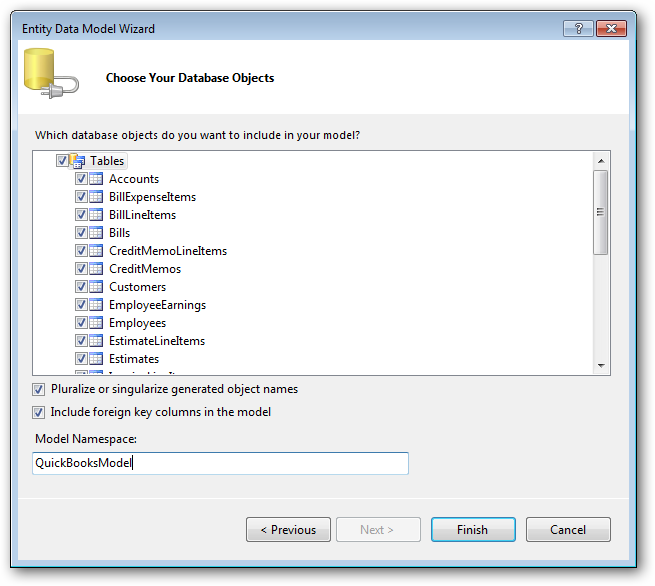
- Enter a model name and select any tables or views you would like to include in the model.
Using the entity you created, you can now perform select commands. For example:
APIEntities context = new APIEntities();

var attendanceschedulesQuery = from attendanceschedules in context.AttendanceSchedules
  select attendanceschedules;

foreach (var result in attendanceschedulesQuery) {
  Console.WriteLine("{0} {1} ", result.Id, result.OrganizationId);
}
See "LINQ and Entity Framework" chapter in the help documentation for example queries of the supported LINQ.