




Access Live JD Edwards Data in Excel (Desktop) via Connect AI

Microsoft Excel is a widely used spreadsheet software application, primarily used for tasks related to data management, analysis, and visualization. When combined with CData Connect AI, you gain immediate access to JD Edwards data directly within Excel, facilitating data analysis, collaboration, calculations, and more.This article shows how to connect to JD Edwards in your Connect AI instance and access live JD Edwards data in Excel spreadsheets.
CData Connect AI provides a pure cloud-to-cloud interface for JD Edwards, allowing you to easily access live JD Edwards data in Excel for the web. Simply use the Connect AI Add-In to query live data (or write your own). Using optimized data processing out of the box, CData Connect AI pushes all supported query operations (filters, JOINs, etc) directly to JD Edwards, leveraging server-side processing to quickly return JD Edwards data.
This setup requires a CData Connect AI instance and the CData Connect AI Add-In for Excel. To get started, sign up a free trial of Connect AI and install the free Connect AI Excel Add-In.
Configure JD Edwards Connectivity for Excel
Connectivity to JD Edwards from Excel is made possible through CData Connect AI. To work with JD Edwards data from Excel, we start by creating and configuring a JD Edwards connection.
- Log into Connect AI, click Sources, and then click Add Connection
- Select "JD Edwards" from the Add Connection panel
-
Enter the necessary authentication properties to connect to JD Edwards.
The driver connects to JD Edwards through your Application Interface Services (AIS) Server. Set the following connection properties:
- URL: The base HTTPS URL of your AIS Server (e.g., https://jde-ais.example.com:8300).
- User: Your JD Edwards username.
- Password: Your JD Edwards password.
- Environment (optional): The JD Edwards environment to use (e.g., PD920 for production or DV920 for development). If not specified, the AIS Server's default environment is used.
- Role (optional): The JD Edwards role for the session. If not specified, the AIS Server's default role is used.
- DeviceName (optional): An identifier for the connecting device or application, used for auditing and logging on the AIS Server.
- Jasserver (optional): The specific Java Application Server (JAS) instance to route requests through, useful in clustered environments.
Choosing Which Data Is Exposed
JD Edwards organizes tables and business views by System Code, and the driver exposes each System Code as its own schema. Use these properties to control which schemas are available:
- DataModel: One or more ERP modules (comma-separated) whose System Codes are exposed as schemas, or All to expose every System Code in the connected instance. Defaults to FinancialManagement.
- SystemCodes: A comma-separated list of additional System Codes to expose alongside those from DataModel (e.g., 42,43).
When you connect, the driver sends your credentials to the AIS Server to obtain a session token and caches it. The driver requests a new token automatically before the session expires.

- Click Save & Test
-
Navigate to the Permissions tab in the Add JD Edwards Connection page and update the User-based permissions.



With the connection configured, you are ready to connect to JD Edwards data from Excel.
Access Live JD Edwards Data in Excel
The steps below outline connecting to CData Connect AI from Excel to access live JD Edwards data.
- Open Excel, create a new sheet (or open an existing one).
- Click Insert and click Get Add-ins. (if you have already installed the Add-In, jump to step 4).
- Search for CData Connect AI Add-In and install the Add-in.
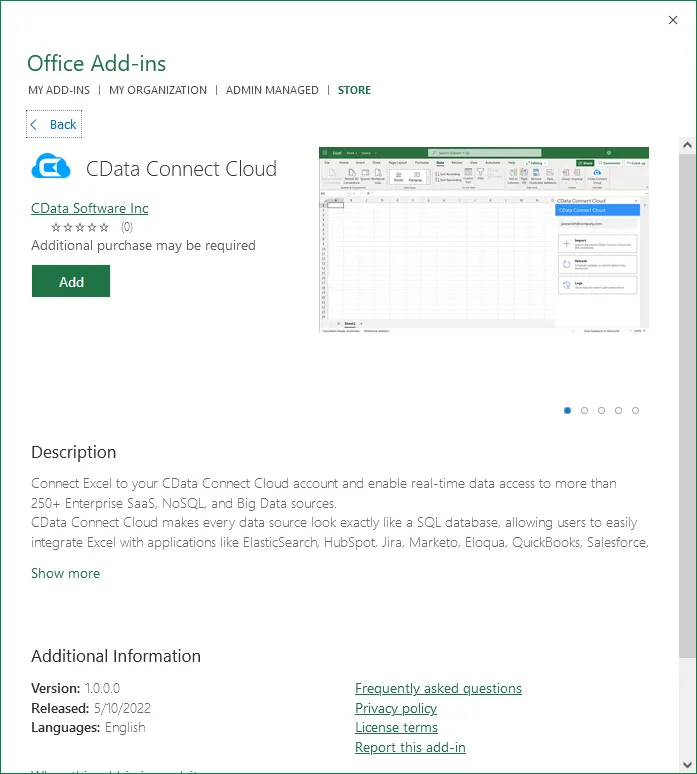
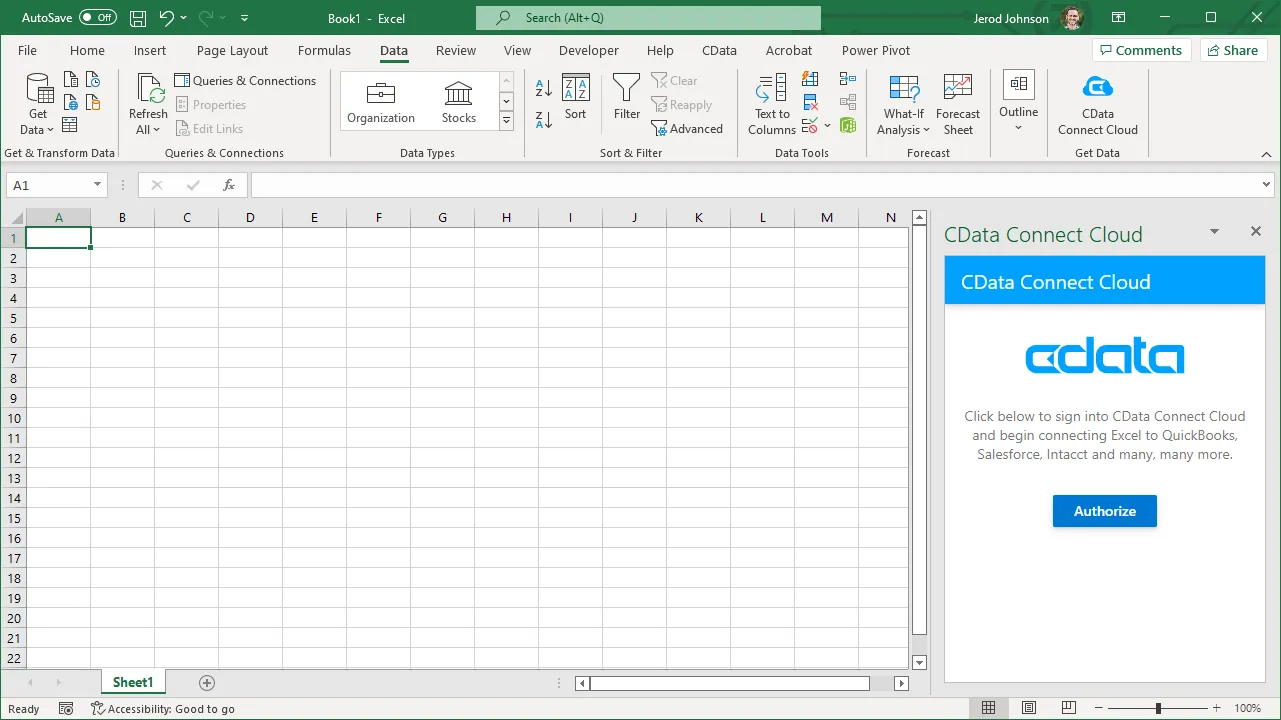
- Click Data and open the CData Connect AI Add-In.
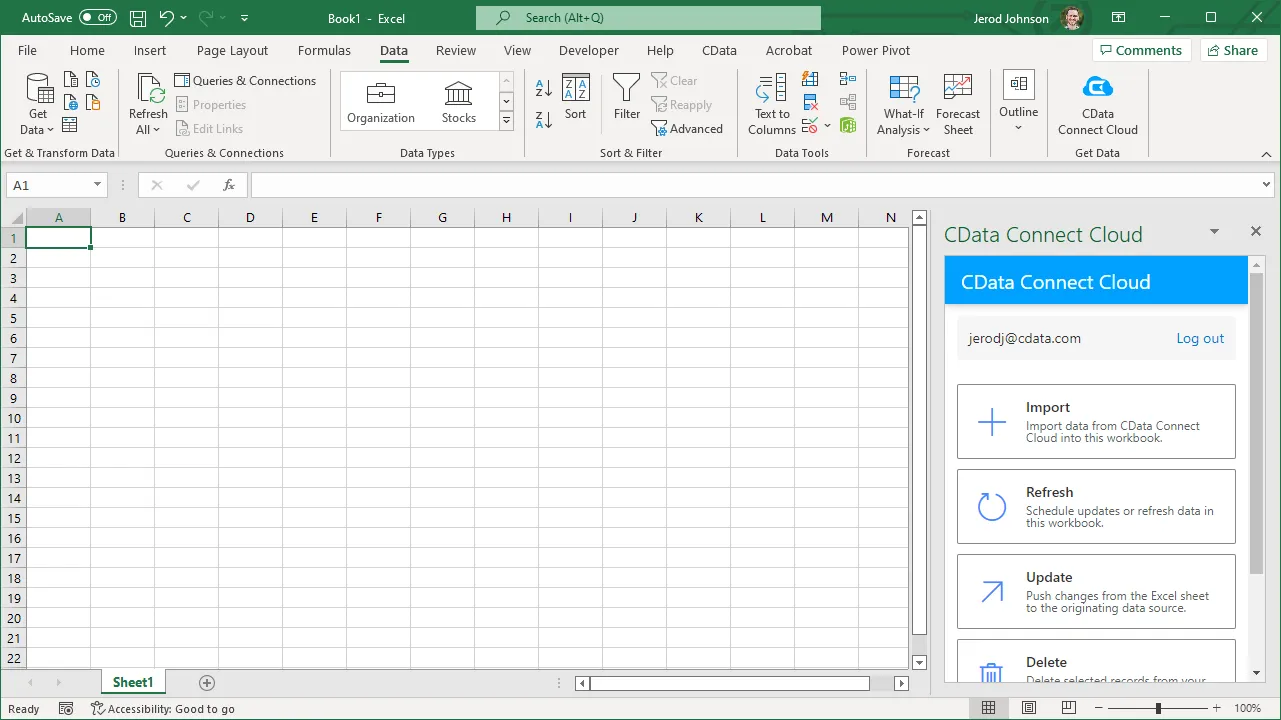
- In the Add-In panel, click Authorize to authenticate with your CData Connect AI instance
- In the CData Connect AI panel in Excel, click Import
- Choose a Connection (e.g. JDEdwards1), Table (e.g. AccountsPayable.AccountLedger), and Columns to import
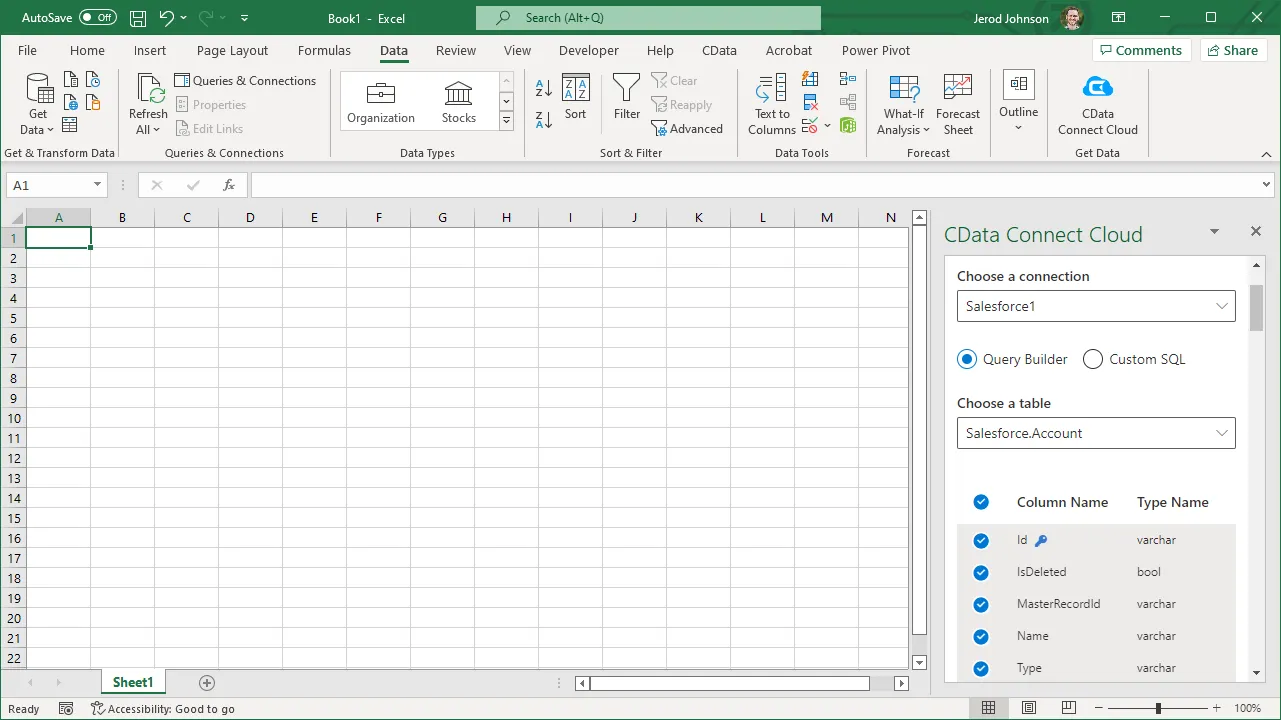
- Optionally add Filters, Sorting, and a Limit
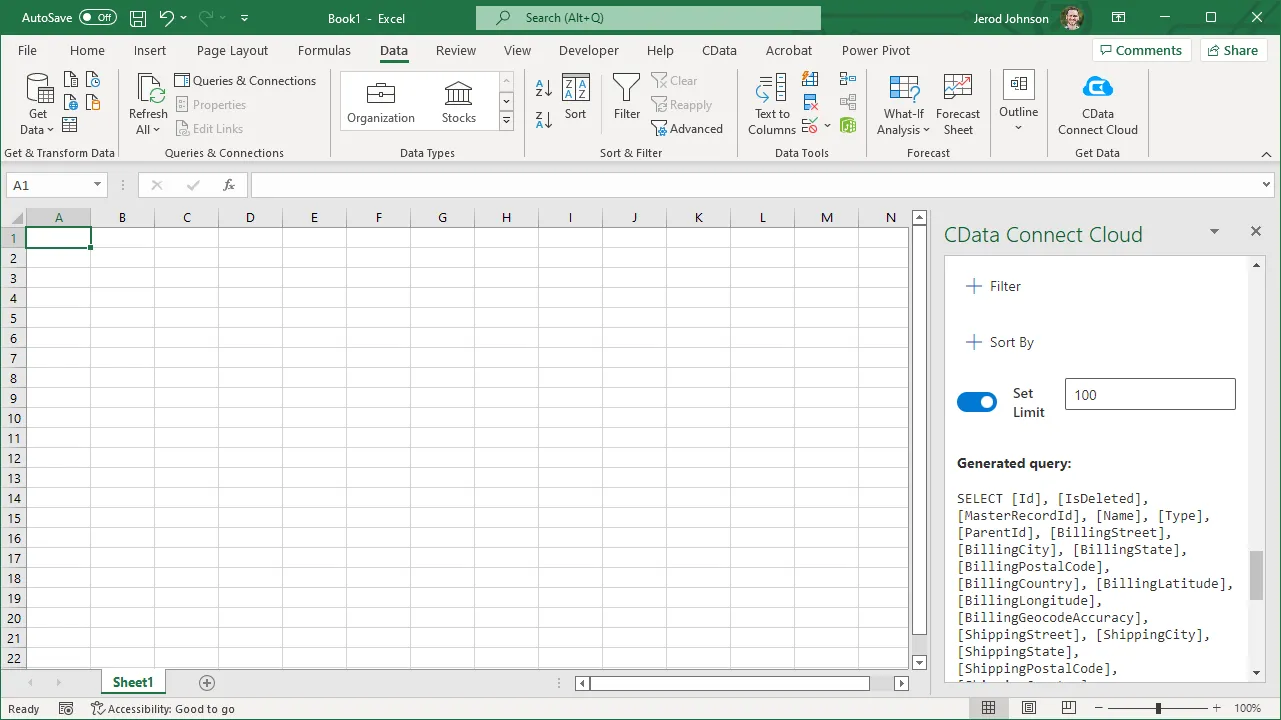
- Click Execute to import the data
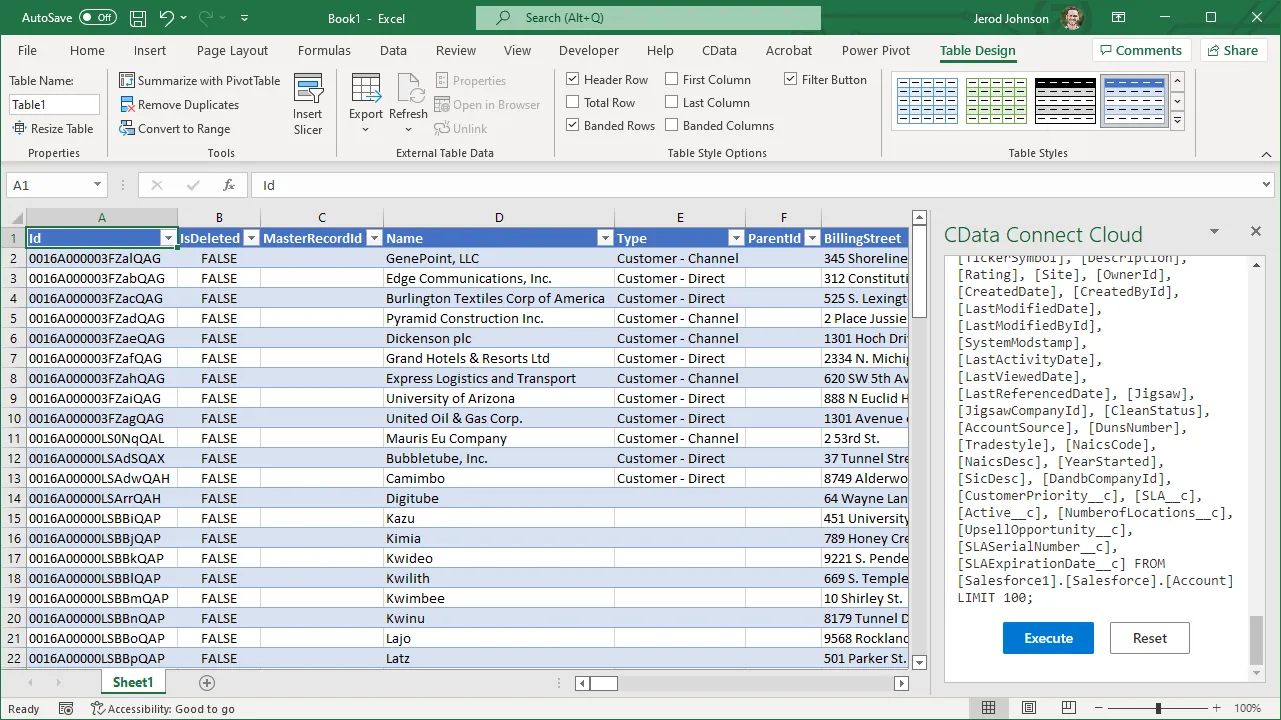
Live Access to JD Edwards Data from Cloud Applications
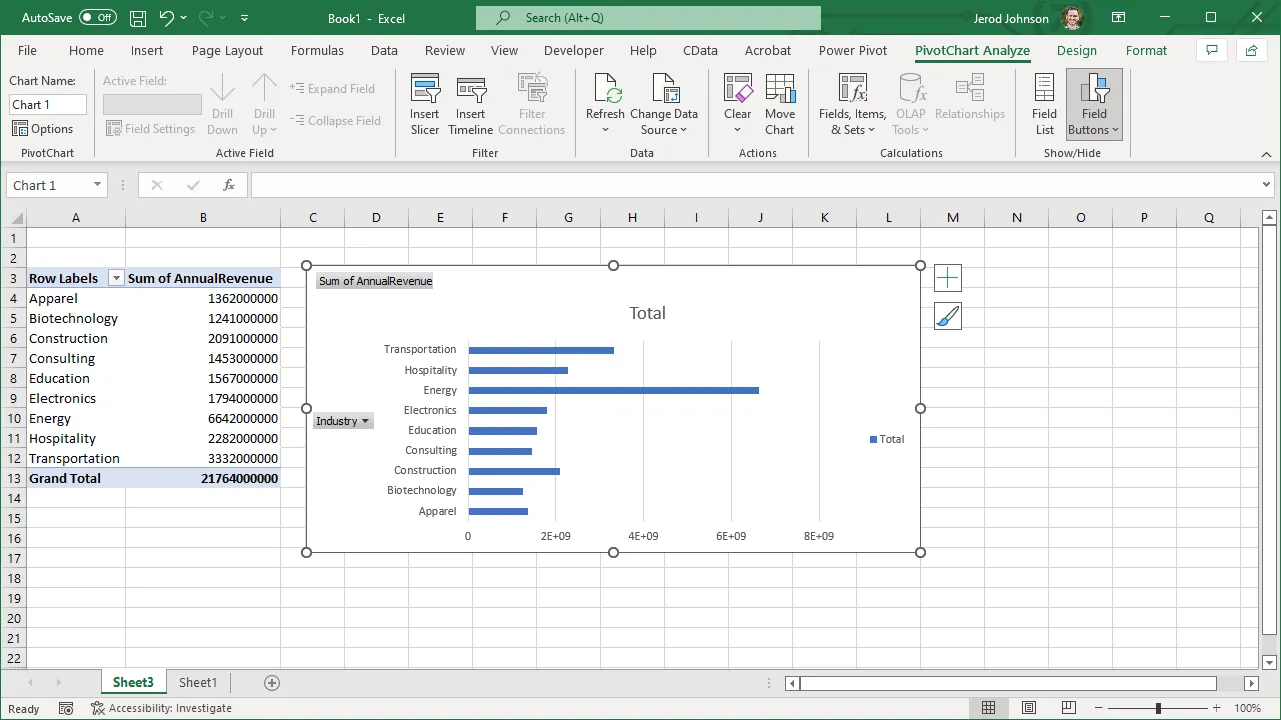
Now, you have a direct, cloud-to-cloud connection to live JD Edwards data from your Excel workbook. You can add more data to your workbook for calculations, aggregations, collaboration, and more.
Try CData Connect AI and get real-time data access to hundreds of SaaS, Big Data, and NoSQL sources directly from your cloud applications.