Connect to Paddle Data in NetBeans

The CData JDBC Driver for Paddle integrates connectivity to live Paddle data in IDEs that support JDBC. The JDBC standard enables you to use built-in data access wizards and other tools supporting rapid development. This article shows how to connect to Paddle data in NetBeans. You will create a connection and load Paddle data in the Table Editor.
Create a JDBC Data Source for Paddle in NetBeans
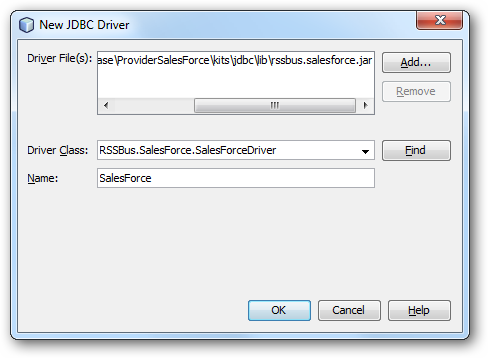
To create the JDBC data source, expand the Database node in the Service window, right-click the Drivers node, and select New Driver. In the New Driver wizard that results, enter the following information:
- Driver File(s): Click Add and, in the file explorer dialog that appears, select the cdata.jdbc.api.jar file. The driver JAR is located in the lib subfolder of the installation directory.
- Driver Class: Click Find to search for the driver class inside the JAR. Then select cdata.jdbc.api.APIDriver from the menu.
- Name: Enter the name for the driver.
Define Connection Parameters
Follow the steps below to define required connection properties:
In the Service window, right-click the Database node and click New Connection.
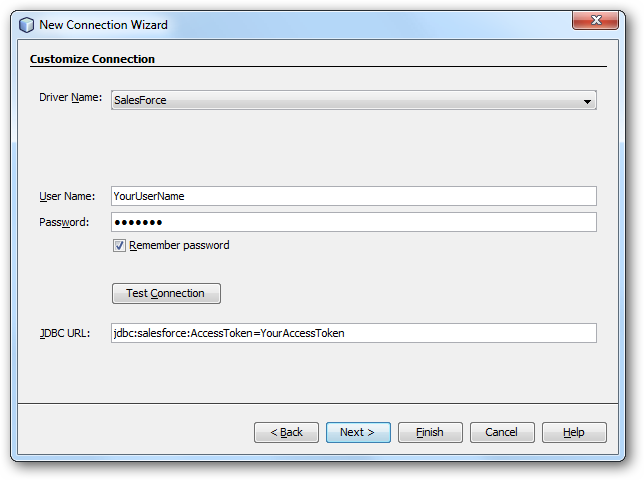
In the New Connection Wizard, enter the following connection properties:
- Driver Name: In the menu, select the CData JDBC Driver for Paddle.
- User Name: Enter the username. This can also be defined in the JDBC URL.
- Password: Enter the password. This can also be defined in the JDBC URL.
JDBC URL: Specify the JDBC URL.
Using API Key Authentication
Paddle uses API key authentication. To obtain an API key:
- Sign in to your Paddle account at https://vendors.paddle.com
- Navigate to Developer Tools > Authentication
- Click "Generate API Key"
- Assign the appropriate permissions for the data you wish to access
- Copy the generated key (sandbox keys begin with pdl_sdbx_apikey_; production keys begin with pdl_live_apikey_)
After obtaining your API key, set the following connection properties:
- AuthScheme: Set this to APIKey.
- APIKey: Set this to your Paddle API key.
Example Connection String
Profile=C:\profiles\Paddle.apip;AuthScheme=APIKey;ProfileSettings="APIKey=your_api_key";
Connecting to Paddle
Once the authentication is configured, you can connect to Paddle and query data from any of the available tables such as Products, Customers, Subscriptions, and Transactions.
Built-in Connection String Designer
For assistance in constructing the JDBC URL, use the connection string designer built into the Paddle JDBC Driver. Either double-click the JAR file or execute the jar file from the command-line.
java -jar cdata.jdbc.api.jar
Fill in the connection properties and copy the connection string to the clipboard.

A typical JDBC URL is the following:
jdbc:api:Profile=C:\profiles\Paddle.apip;AuthScheme=APIKey;ProfileSettings="APIKey=your_api_key";
Query Paddle Data
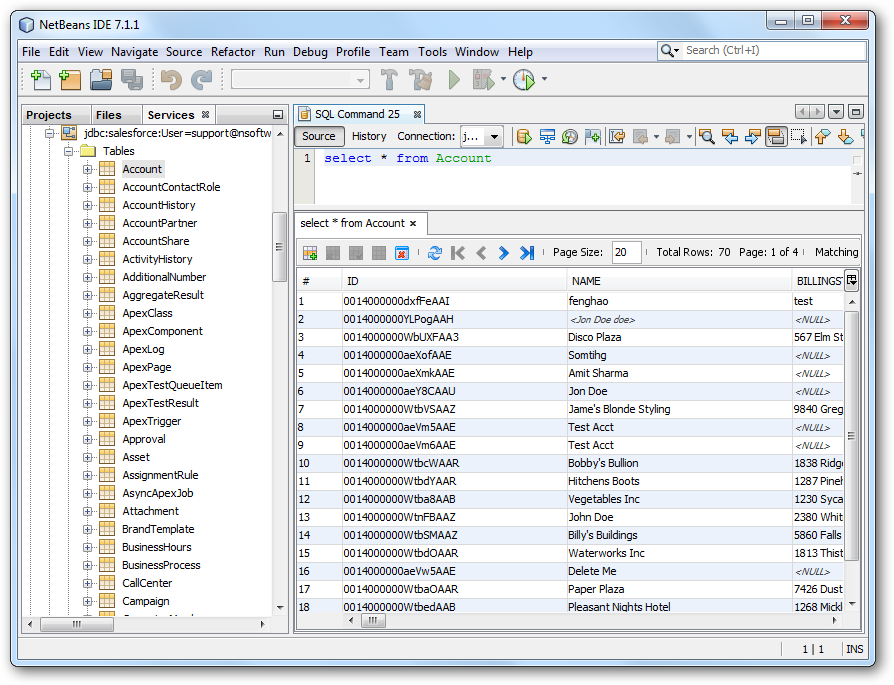
To connect to Paddle data, right-click the connection in the Database node and click Connect. After the connection is established, you can expand it to discover schema information.
To load a table in the Data Views window, right-click the table and then click View Data..