






Analyze Paddle Data in Infragistics Reveal

Reveal is a data visualization solution provided by Infragistics and can be paired with the CData API Server to build dynamic dashboards from live Paddle data. The CData API Server generates an OData API for Paddle, which is natively consumable in Reveal. In this article, we walk through connecting to Paddle in API Server and connecting to the API Server from Infragistics Reveal to create a simple dashboard.
Connect to Paddle from API Server
CData API Server uses a straightforward, point-and-click interface to connect to data sources and generate APIs.
- Open API Server and click Settings -> Connection -> Add Connection
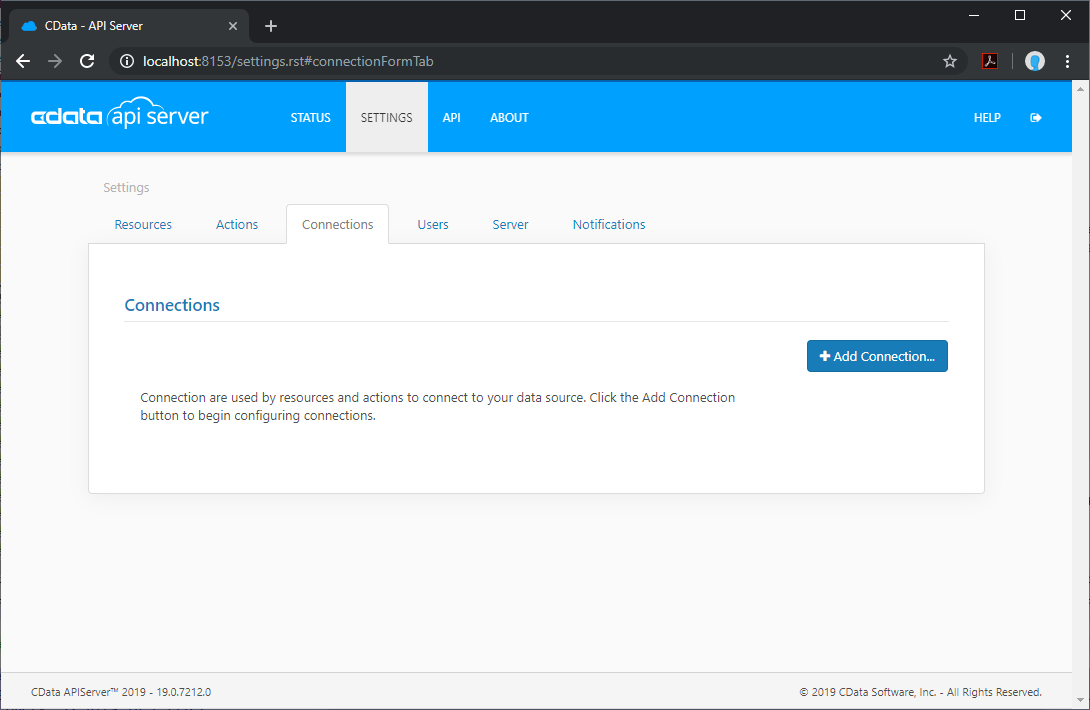
- Select "Paddle"
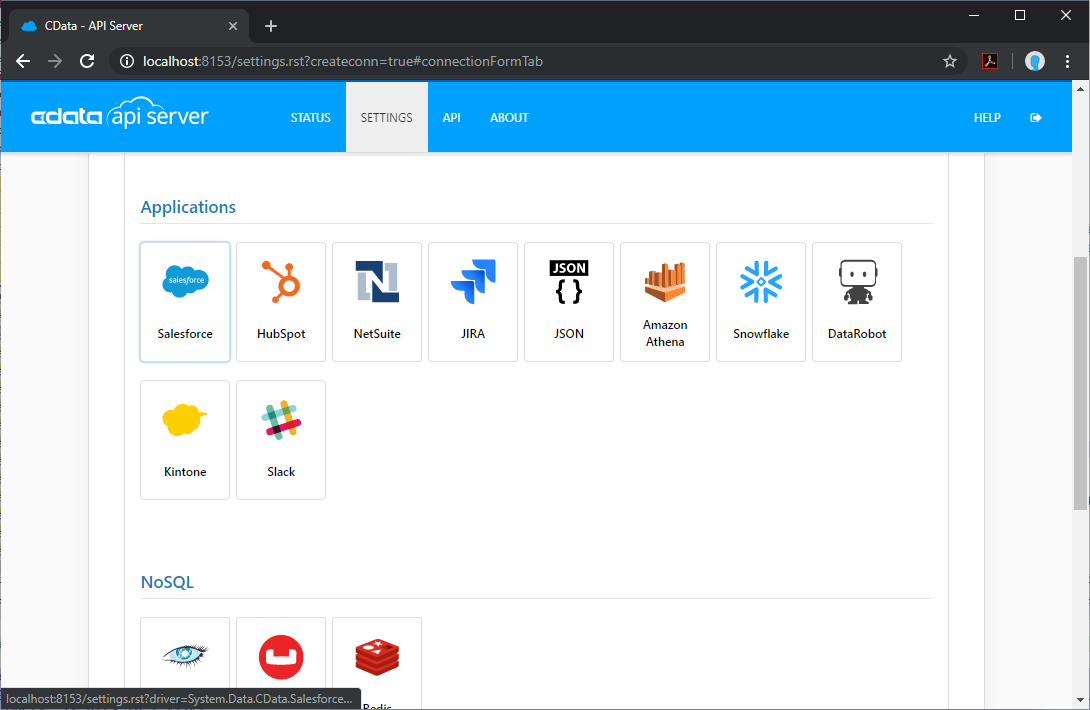
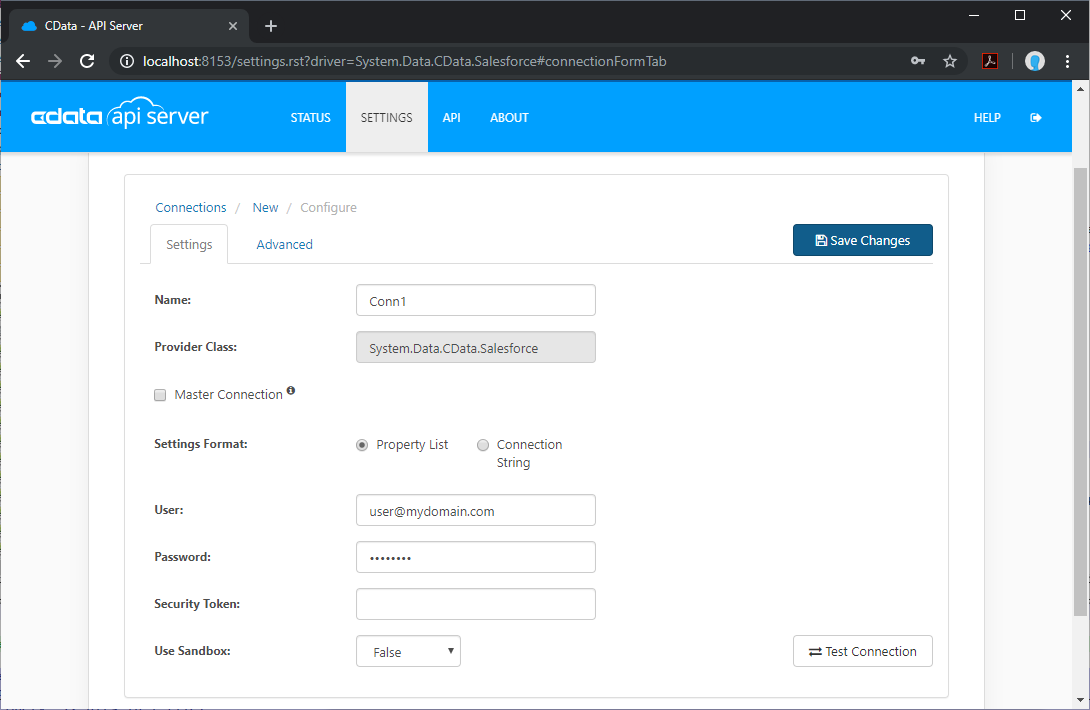
- Enter the necessary authentication properties to connect to Paddle.
Using API Key Authentication
Paddle uses API key authentication. To obtain an API key:
- Sign in to your Paddle account at https://vendors.paddle.com
- Navigate to Developer Tools > Authentication
- Click "Generate API Key"
- Assign the appropriate permissions for the data you wish to access
- Copy the generated key (sandbox keys begin with pdl_sdbx_apikey_; production keys begin with pdl_live_apikey_)
After obtaining your API key, set the following connection properties:
- AuthScheme: Set this to APIKey.
- APIKey: Set this to your Paddle API key.
Example Connection String
Profile=C:\profiles\Paddle.apip;AuthScheme=APIKey;ProfileSettings="APIKey=your_api_key";
Connecting to Paddle
Once the authentication is configured, you can connect to Paddle and query data from any of the available tables such as Products, Customers, Subscriptions, and Transactions.
Add Paddle Resource Definitions in API Server
After connecting to Paddle, create Resources, which represent API endpoints for Paddle data.
- Click Settings -> Resources -> Add Resource
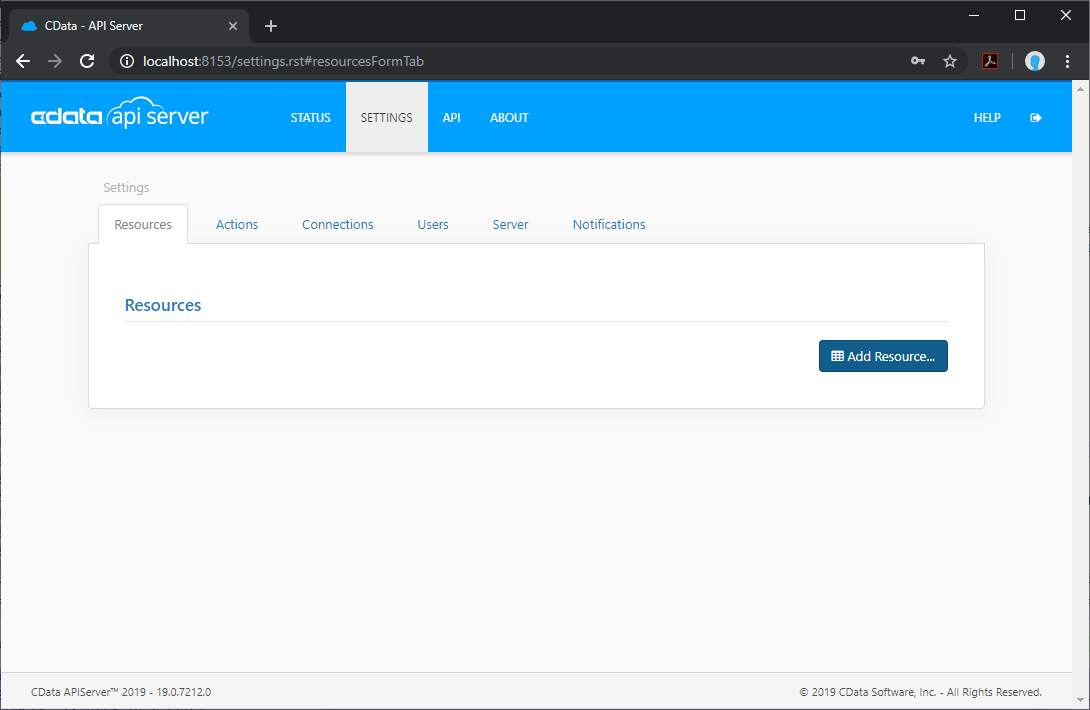
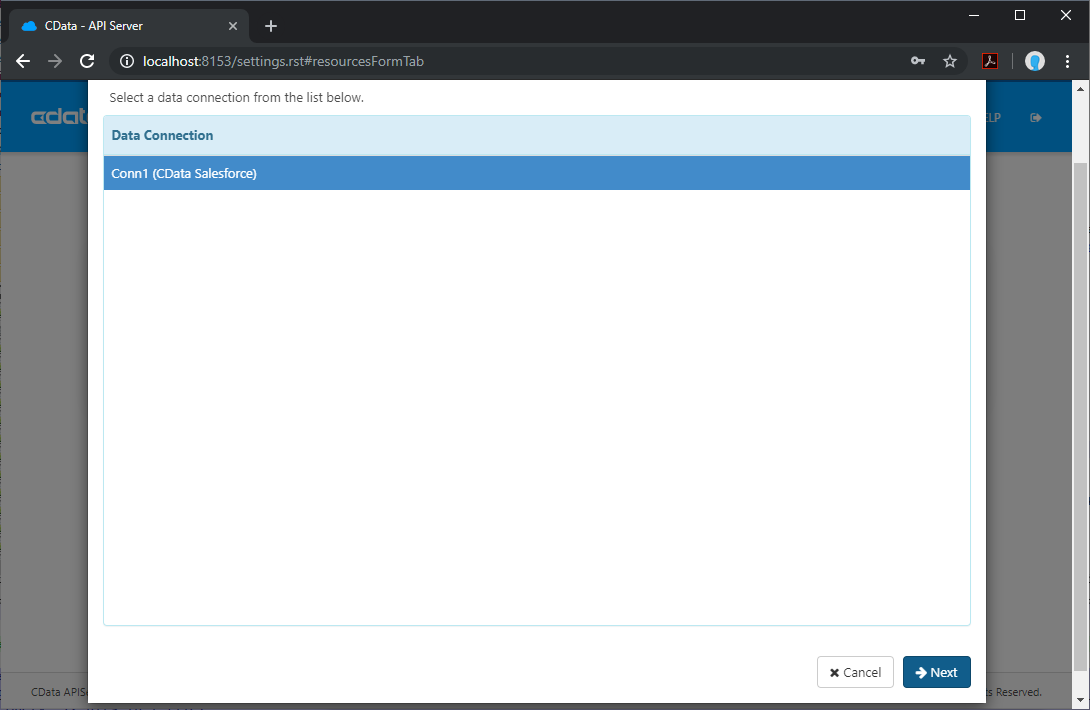
- Select the Paddle connection
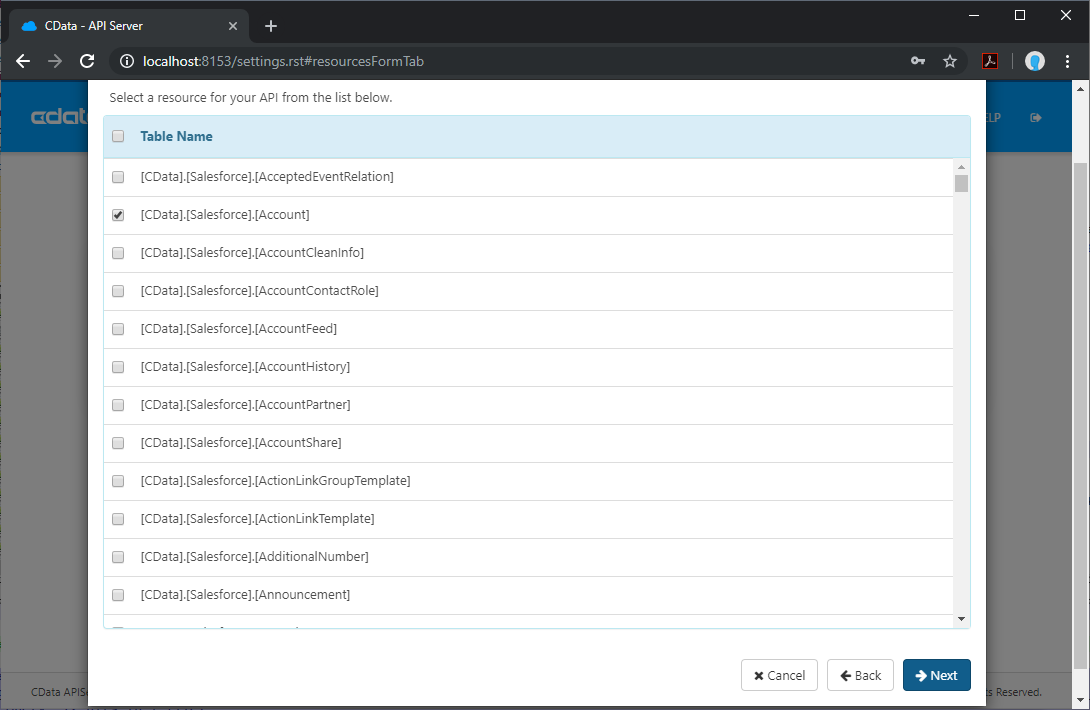
- Select the table you wish to retrieve and click Next
- (Optional) Edit the resource to select specific fields and more
- Save the settings
Add an API Server User
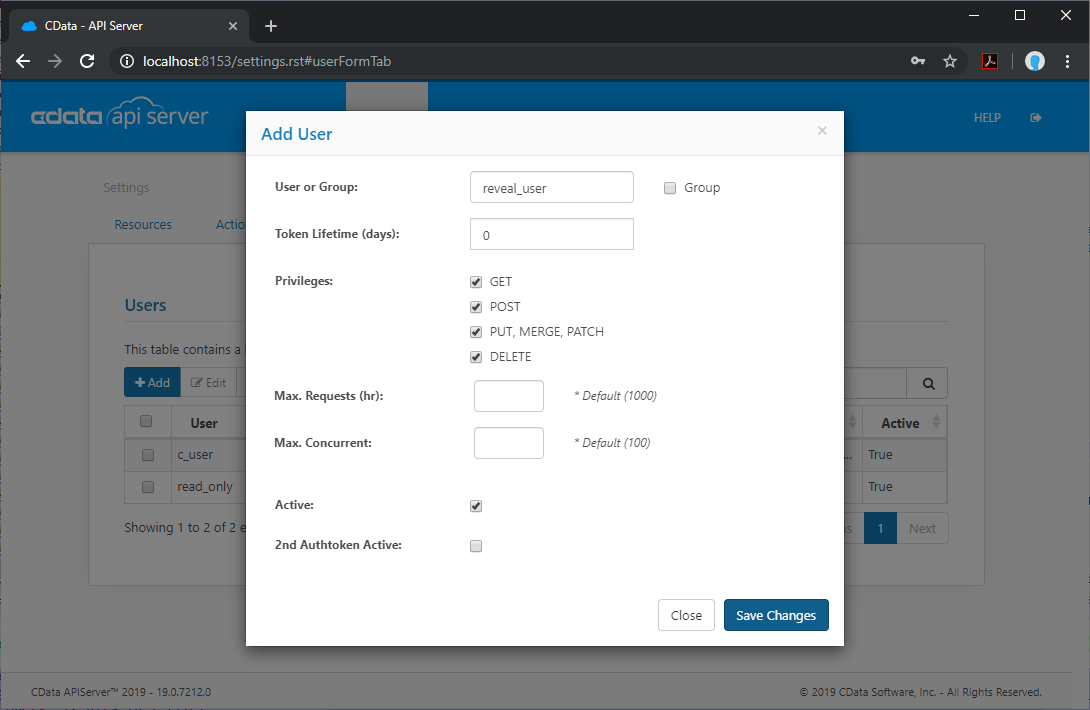
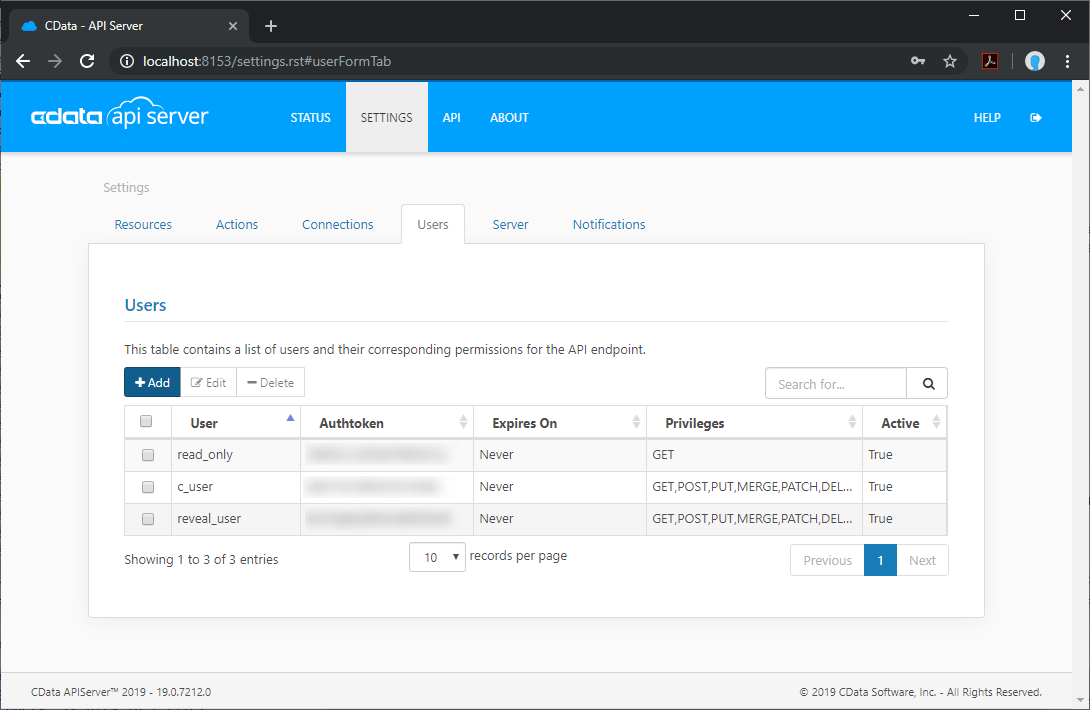
Create a User to connect to Paddle from Reveal through API Server.
- Click Settings -> Users
- Click Add
- Configure a User with access to the Paddle Connection and Resource(s)
(Optional) Configure Cross-Origin Resource Sharing (CORS)
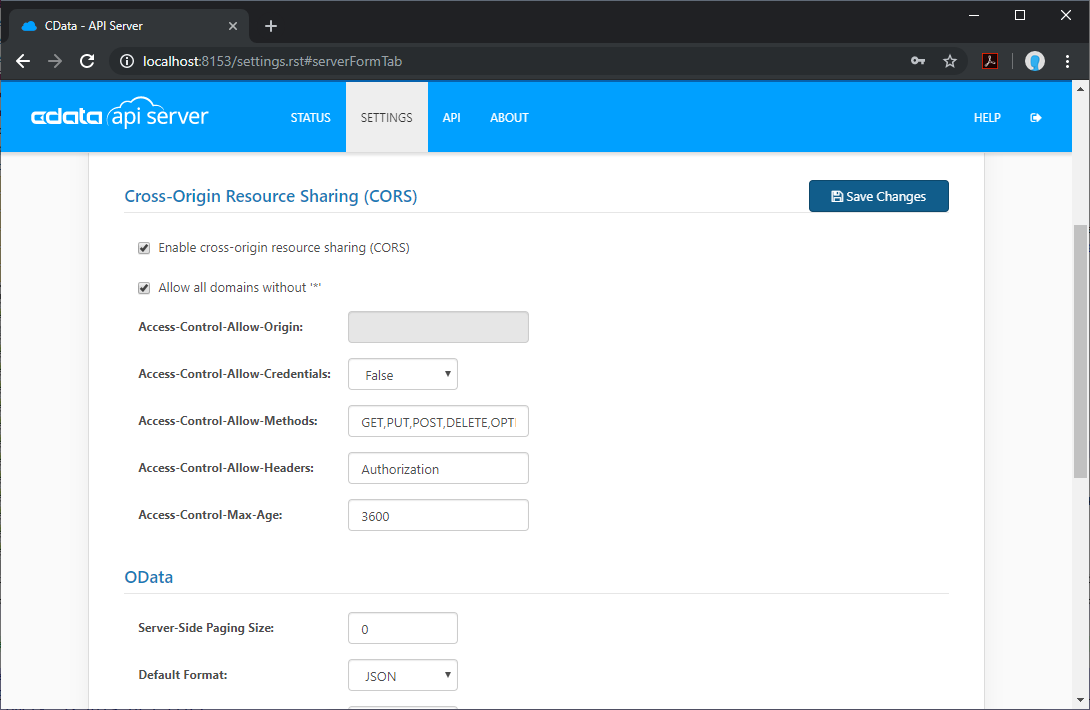
When accessing and connecting to multiple different domains from an application such as Ajax, there is a possibility of violating the limitations of cross-site scripting. In that case, configure the CORS settings in Settings -> Server.
- Enable cross-origin resource sharing (CORS): ON
- Allow all domains without '*': ON
- Access-Control-Allow-Methods: GET, PUT, POST, OPTIONS
- Access-Control-Allow-Headers: Authorization
Save the changes to the settings.
Create a Dashboard in Reveal
With the API Server configured, we can visualize Paddle data in Reveal.
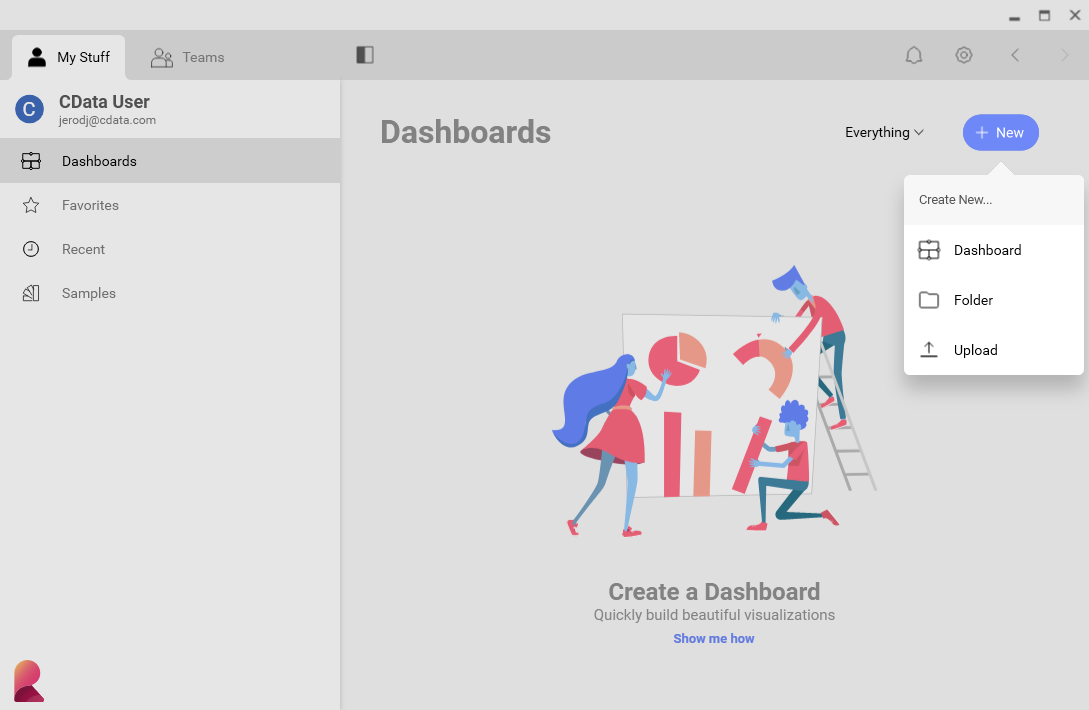
- Log into Reveal and click Dashboards -> New
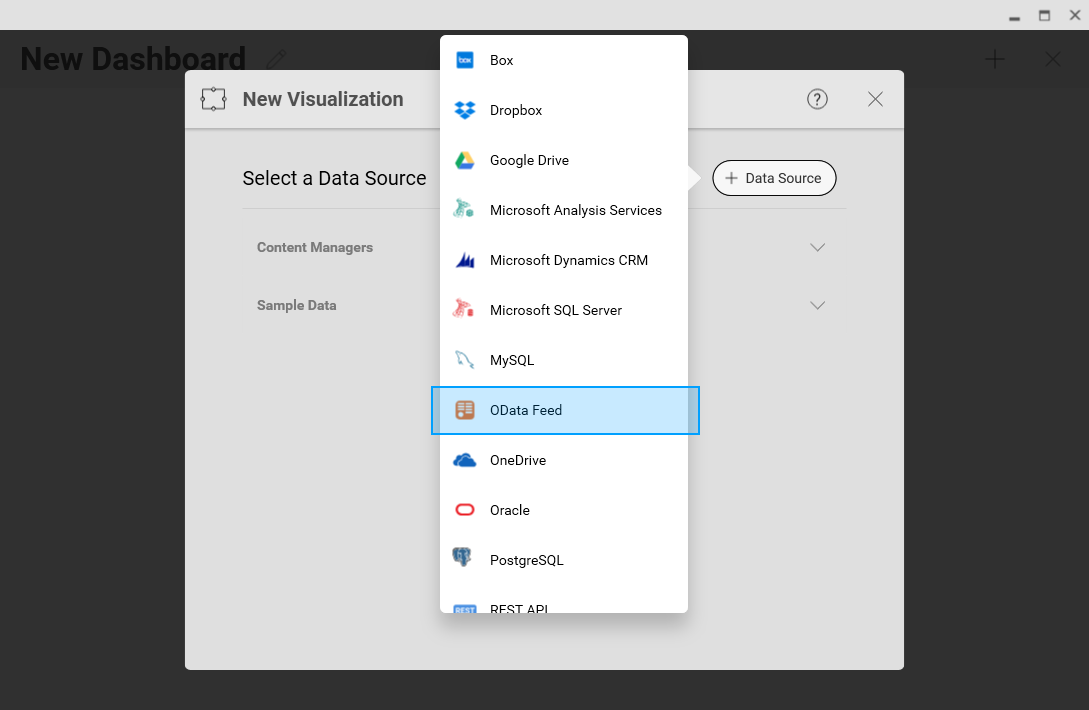
- Click Data Source -> OData Feed
- Specify the API Server API endpoint URL, for example: https://serverurl/api.rsc
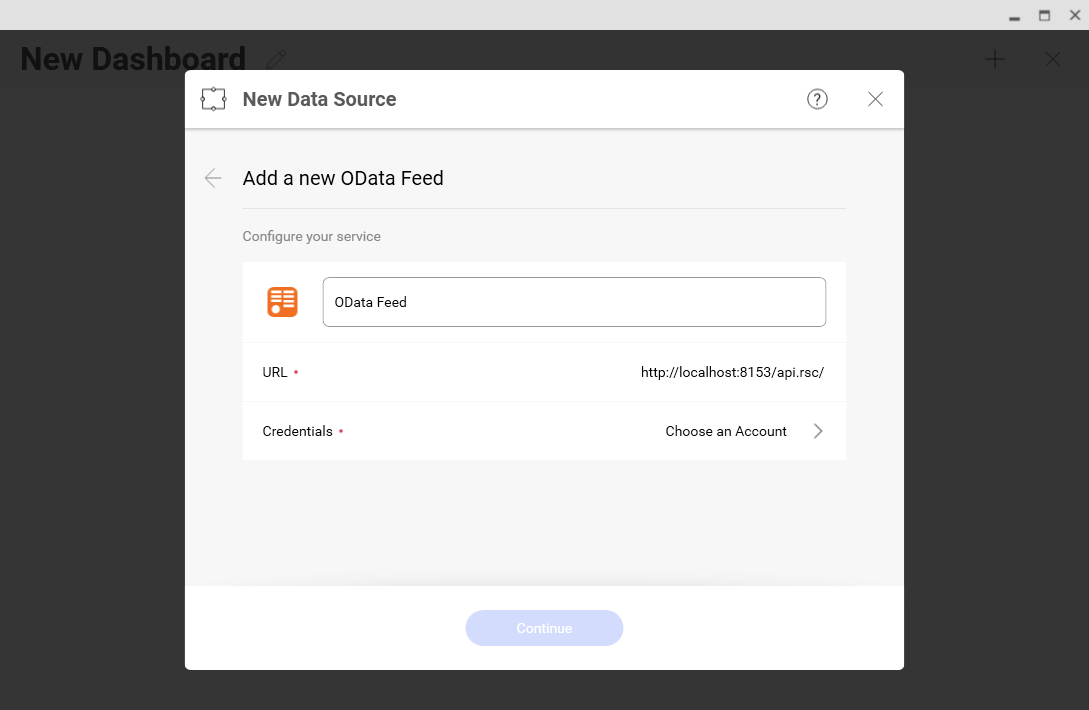
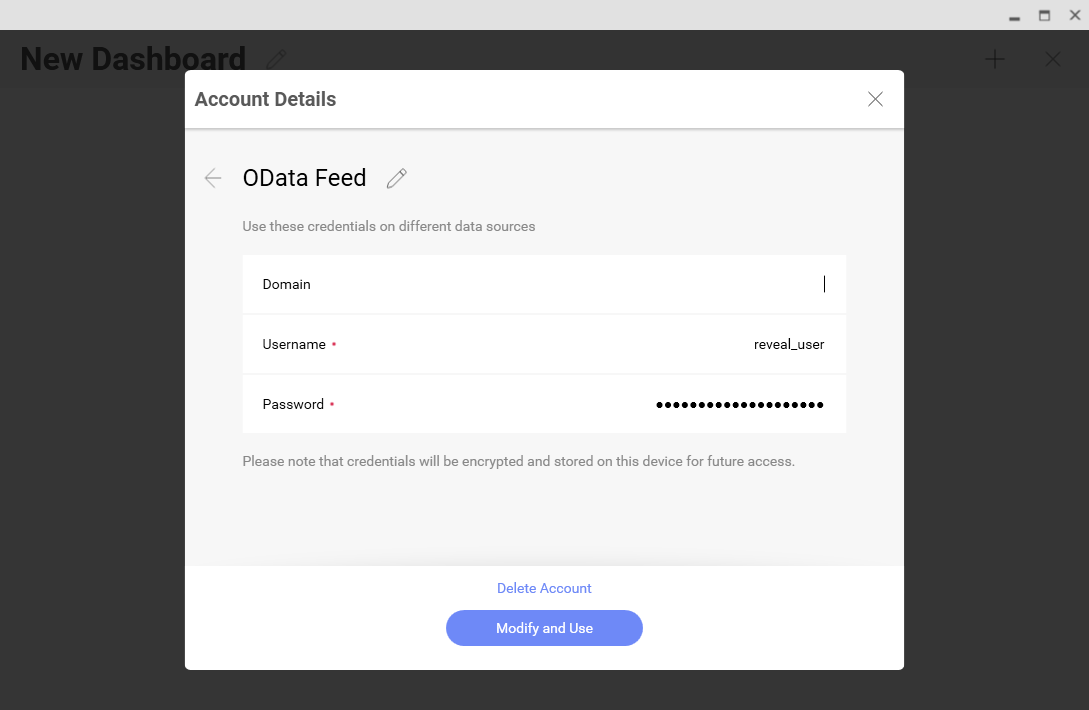
- Select Generic Credentials and specify the API Server username and authentication token
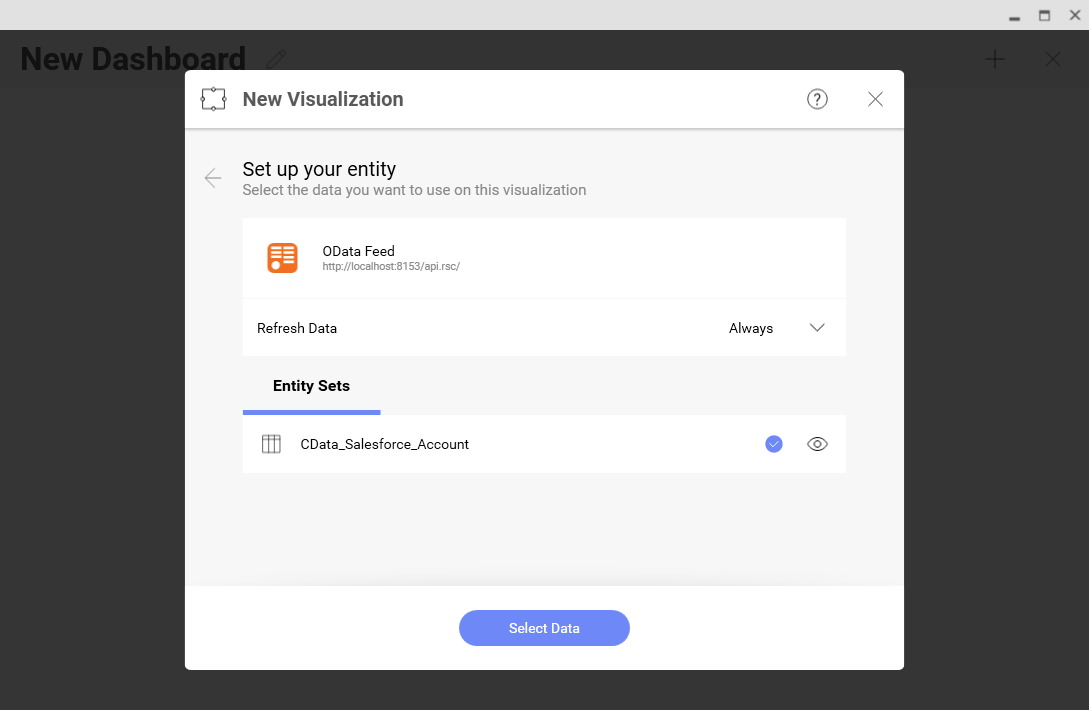
- Select the entity you wish to visualize
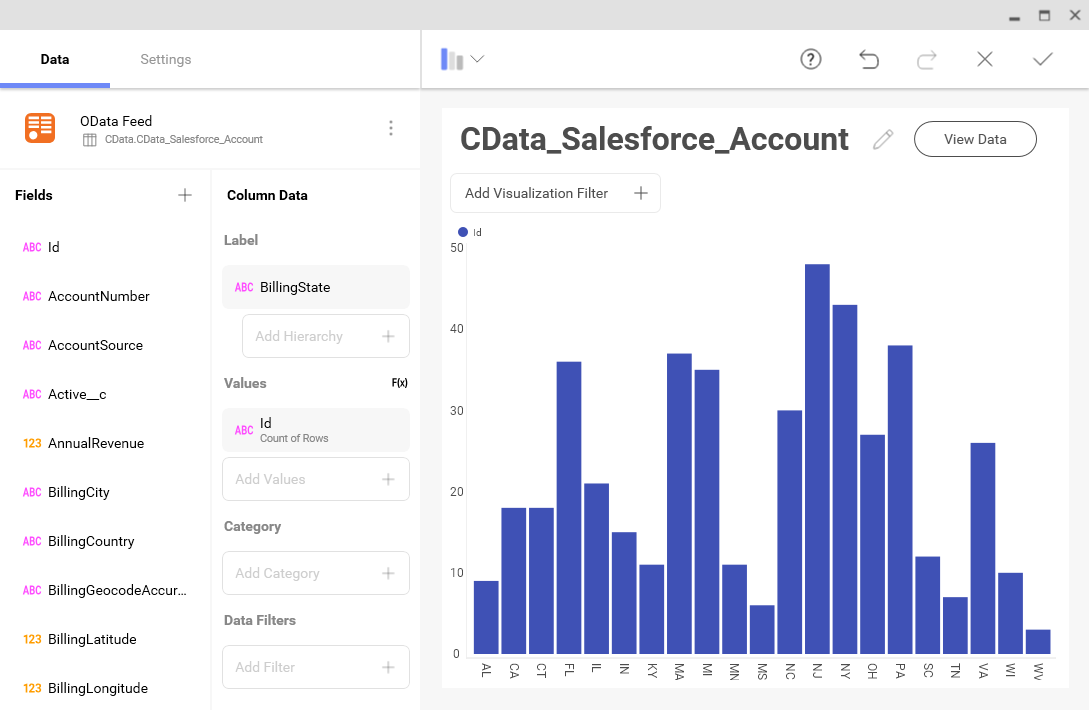
- Select fields and choose a chart type
More Information & Free Trial
At this point, you have created a simple dashboard from live Paddle data. For more information on creating OData feeds from Paddle (and more than 150 other sources), visit the API Server page. Download a free, 30-day trial and start working live Paddle data in tools that consume OData APIs.