






Build Visualizations of PhantomBuster Data in Birst

Birst is a cloud business intelligence (BI) tool and analytics platform that helps organizations quickly understand and optimize complex processes. When paired with the CData API Driver for JDBC, you can connect to live PhantomBuster data through the Birst Cloud Agent and build real-time visualizations. In this article, we walk you through, step-by-step, how to connect to PhantomBuster using the Cloud Agent and create dynamic reports in Birst.
With powerful data processing capabilities, the CData JDBC driver offers unmatched performance for live PhantomBuster data operations in Birst. When you issue complex SQL queries from Birst to PhantomBuster, the driver pushes supported SQL operations, like filters and aggregations, directly to PhantomBuster and utilizes the embedded SQL Engine to process unsupported operations client-side (often SQL functions and JOIN operations). With built-in dynamic metadata querying, the JDBC driver enables you to visualize and analyze PhantomBuster data using native Birst data types.
Configure a JDBC Connection to PhantomBuster Data in Birst
Before creating the Birst project, you will need to install the Birst Cloud Agent (in order to work with the installed JDBC Driver). Also, copy the JAR file for the JDBC Driver (and the LIC file, if it exists) to the /drivers/ directory in the installation location for the Cloud Agent.
With the driver and Cloud Agent installed, you are ready to begin.
- Create a new project in Birst.
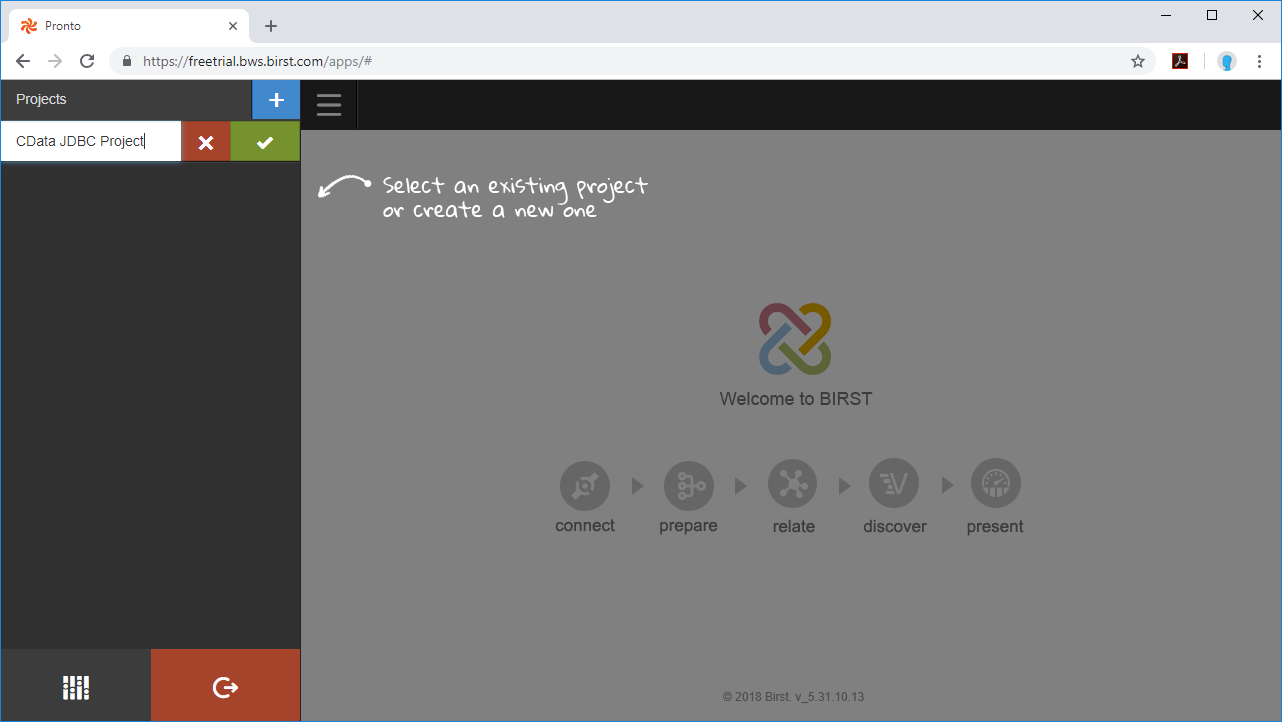
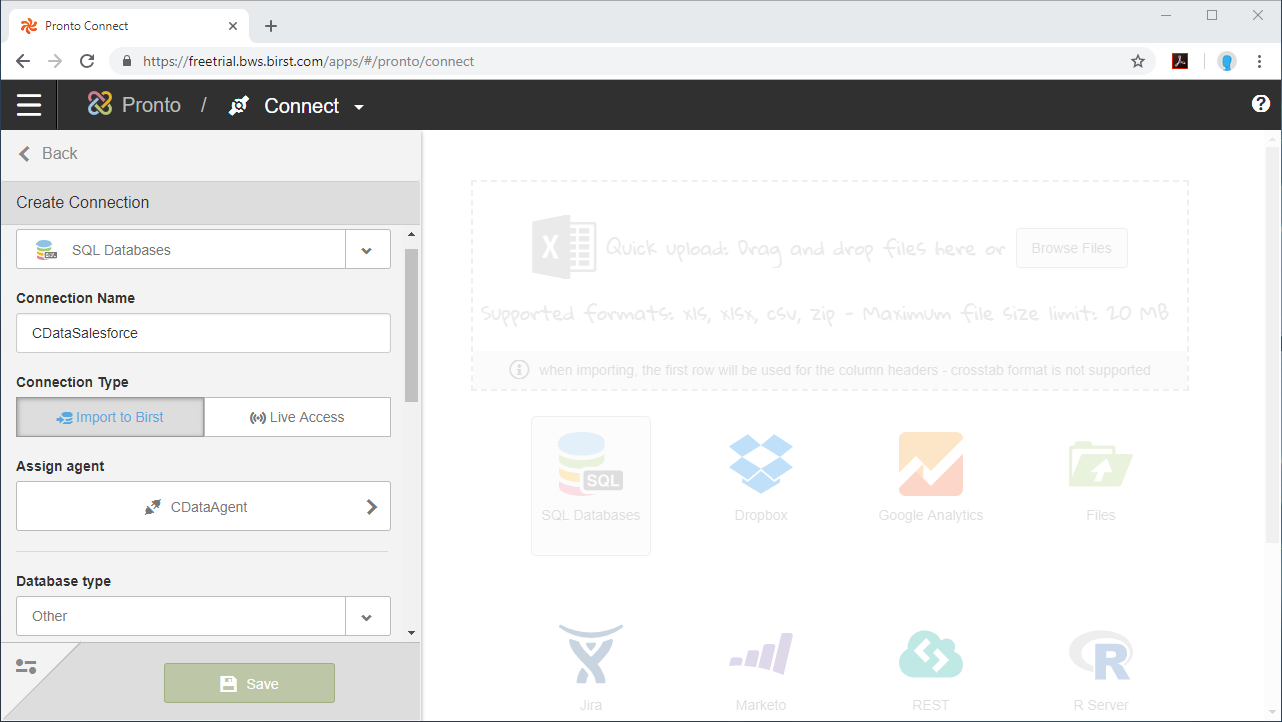
- Name the connection (e.g. CDataAPI).
- Choose Live Access.
- Select an agent.
- Set Database Type to Other.
- Set SQL Type to MSSQL
- Set the Connection string.
Using API Key Authentication
To use the Phantombuster API, you need to obtain an API key from your Phantombuster account settings. Navigate to phantombuster.com, click your profile icon, select Settings, and copy the API key from the API section.
After setting the following connection properties, you are ready to connect:
- AuthScheme: Set this to APIKey.
- APIKey: Set this to your Phantombuster API key from the account settings page.
Multi-Organization Accounts
If your API key is associated with multiple organizations, you can target a specific organization by setting the OrganizationId connection property to the desired organization identifier. When set, it is sent as the X-Phantombuster-Org request header.
Example connection string:
Profile=C:\profiles\Phantombuster.apip;AuthScheme=APIKey;ProfileSettings="APIKey=your_api_key_here"
Built-in Connection String Designer
For assistance in constructing the JDBC URL, use the connection string designer built into the PhantomBuster JDBC Driver. Either double-click the JAR file or execute the jar file from the command-line.
java -jar cdata.jdbc.api.jar
Fill in the connection properties and copy the connection string to the clipboard.

When you configure the JDBC URL, you may also want to set the Max Rows connection property. This will limit the number of rows returned, which is especially helpful for improving performance when designing reports and visualizations.
Below is a typical JDBC connection string for PhantomBuster:
jdbc:api:Profile=C:\profiles\Phantombuster.apip;AuthScheme=APIKey;ProfileSettings="APIKey=your_api_key_here"
- Set the Driver Name: cdata.jdbc.api.APIDriver and click Save.
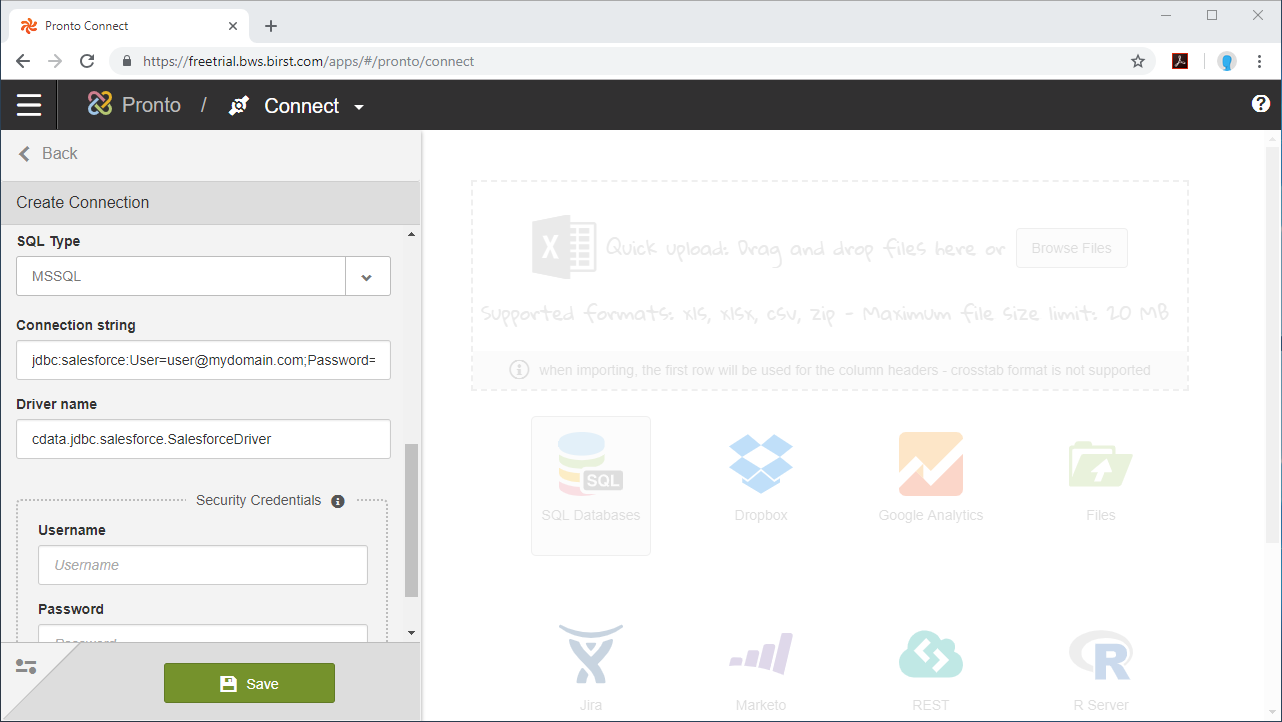
NOTE: Since authentication to PhantomBuster is managed from the connection string, you can leave Security Credentials blank.
Configure PhantomBuster Data Objects
Now that the connection is configured, we are ready to configure the schema for the dataset, choosing the tables, views, and columns we wish to visualize.
- Select the Schema (e.g. API).
- Click on Tables and/or Views to connect to those entities and click Apply.
- Select the Tables and Columns you want to access and click Done.
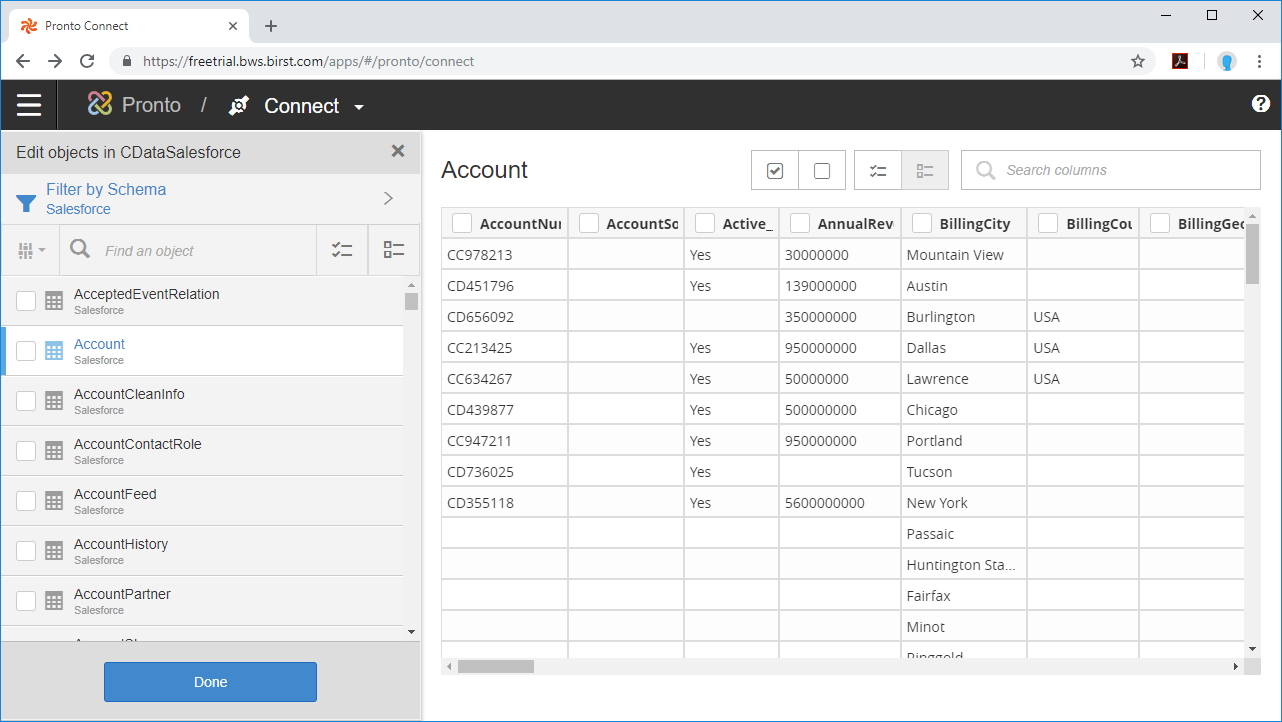
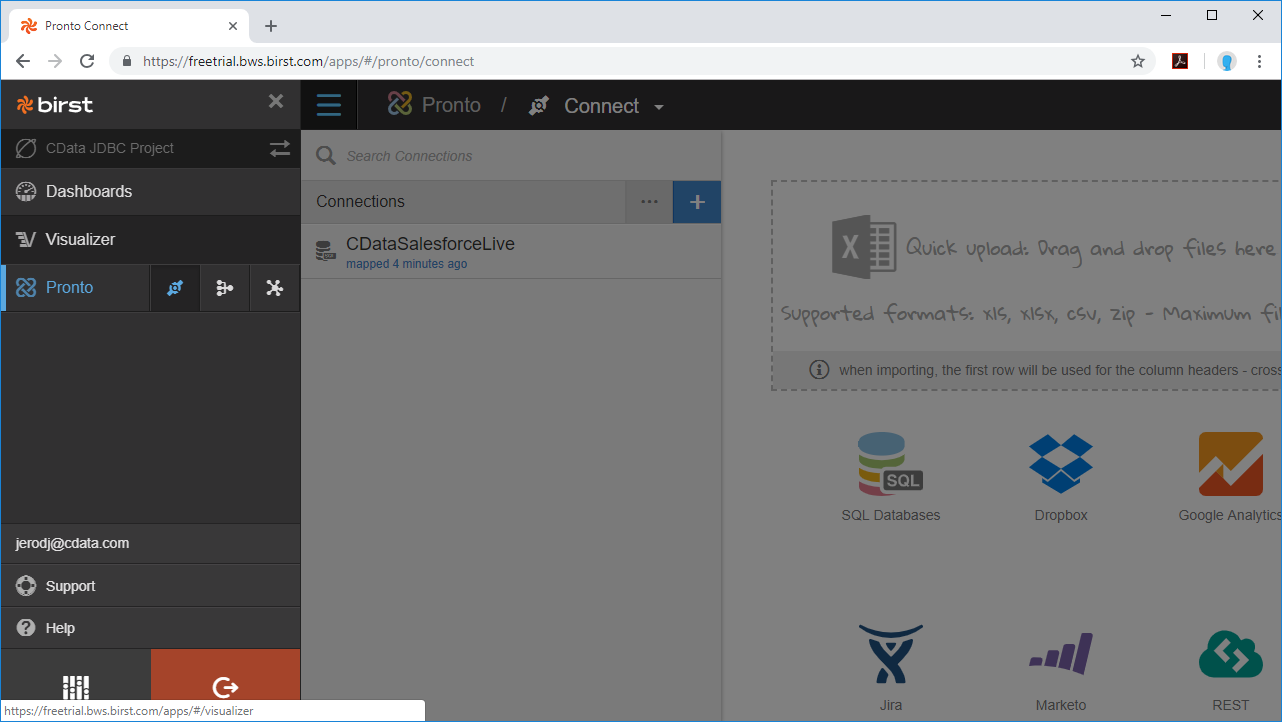
With the objects configured, you can perform any data preparation and discover any relationships in your data using the Pronto Prepare and Relate tools.
Build a Visualization
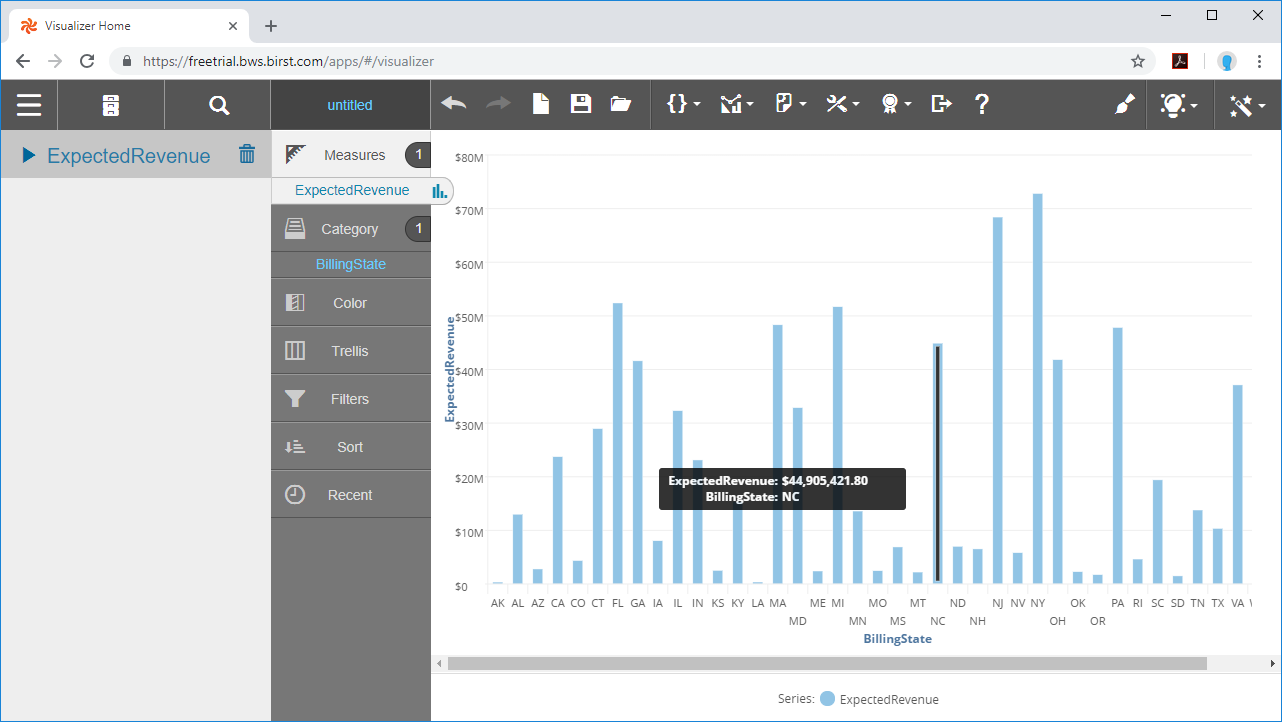
After you prepare your data and define relationships between the connected objects, you are ready to build your visualization.
- Select the Visualizer tool from the menu.
- Select Measures & Categories from your objects
- Select and configure the appropriate visualization for the Measure(s) you selected.
Using the CData API Driver for JDBC with the Cloud Agent and Birst, you can easily create robust visualizations and reports on PhantomBuster data. Download a free, 30-day trial and start building Birst visualizations today.