






Visualize Reply.io Data in Sisense

Sisense lets you join, analyze, and picture data to make more intelligent business decisions and craft effective strategies. The CData API Driver for JDBC makes it easy to integrate with Reply.io data in Sisense. This article shows how to create an ElastiCube that connects to Reply.io data and use the ElastiCube to visualize Reply.io data in Sisense.
Configure the Connection to Reply.io
Before creating the ElastiCube, note the installation location for the JAR file for the JDBC Driver (typically C:\Program Files\CData\CData API Driver for JDBC 20XX\lib) or copy the jar file (cdata.jdbc.api.API.jar) to a new folder in the Sisense JDBC driver directory (typically C:\ProgramData\Sisense\DataConnectors\jdbcdrivers).
- In the Data page of the Sisense application, create a new ElastiCube (or open an existing one).
- In the Model Editor, click "+ Data" to open the Add Data dialog box.
- Click Generic JDBC to open the JDBC settings.
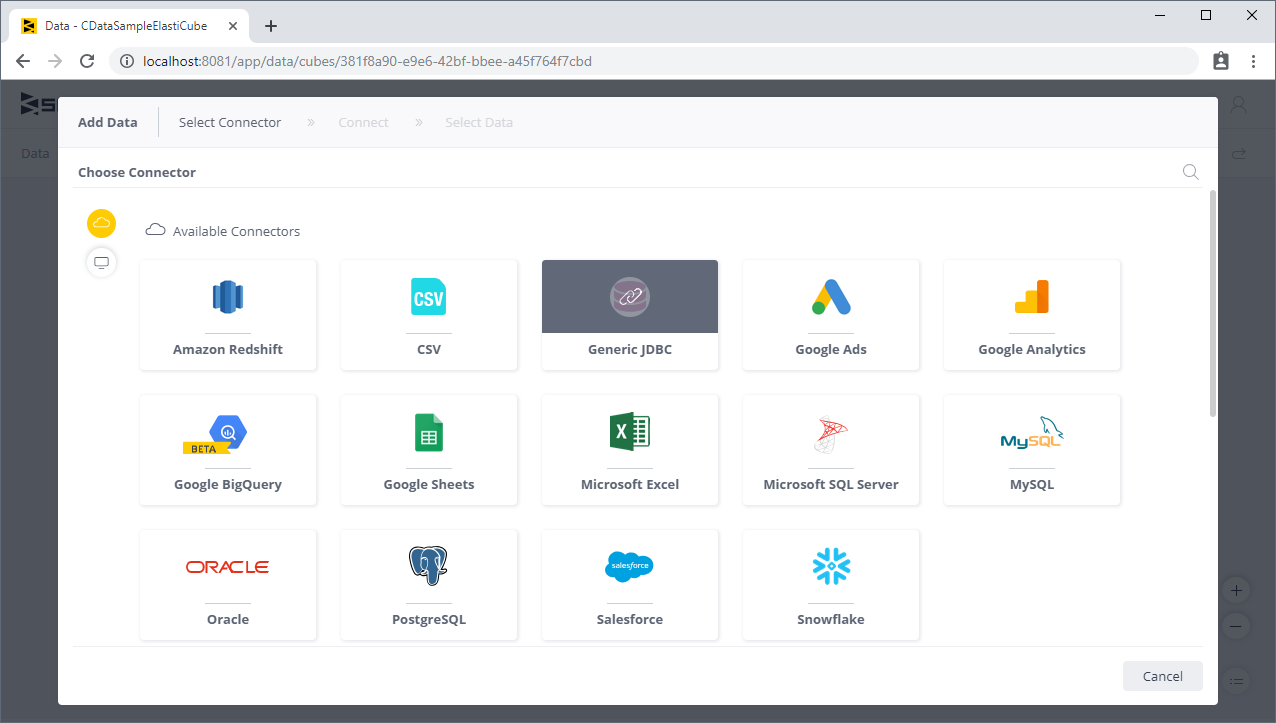
- Set the connection string property to the JDBC URL for Reply.io, adding required properties.
The Reply.io API uses API Key authentication via the x-api-key request header.
Using API Key Authentication
Your Reply.io API key is required to create a connection. To obtain your API key:
- Log into your Reply.io account.
- Click your profile icon and select Settings.
- Navigate to the API section.
- Copy your API Key.
After obtaining your API key, set the following connection properties:
- AuthScheme: Set this to APIKey.
- APIKey: Set this to your Reply.io API key.
- UserEmail (optional): Set this to the email address of the Reply.io user on whose behalf requests are made.
Example connection string:
Profile=C:\profiles\ReplyIO.apip;AuthScheme=APIKey;ProfileSettings='APIKey=your_api_key';
Built-in Connection String Designer
For assistance in constructing the JDBC URL, use the connection string designer built into the Reply.io JDBC Driver. Either double-click the JAR file or execute the jar file from the command-line.
java -jar cdata.jdbc.api.jar
Fill in the connection properties and copy the connection string to the clipboard.

When you configure the JDBC URL, you may also want to set the Max Rows connection property. This will limit the number of rows returned, which is especially helpful for improving performance when designing reports and visualizations.
A typical example follows:
jdbc:api:Profile=C:\profiles\ReplyIO.apip;AuthScheme=APIKey;ProfileSettings='APIKey=your_api_key';
- Set the JDBC JARs folder property to the location of the CData JDBC Driver JAR file (see above).
- Set the driver's class name to the class name for the JDBC Driver: cdata.jdbc.api.APIDriver
- Leave the username and password properties blank.
- Click Next.
Add Reply.io Data to an ElastiCube
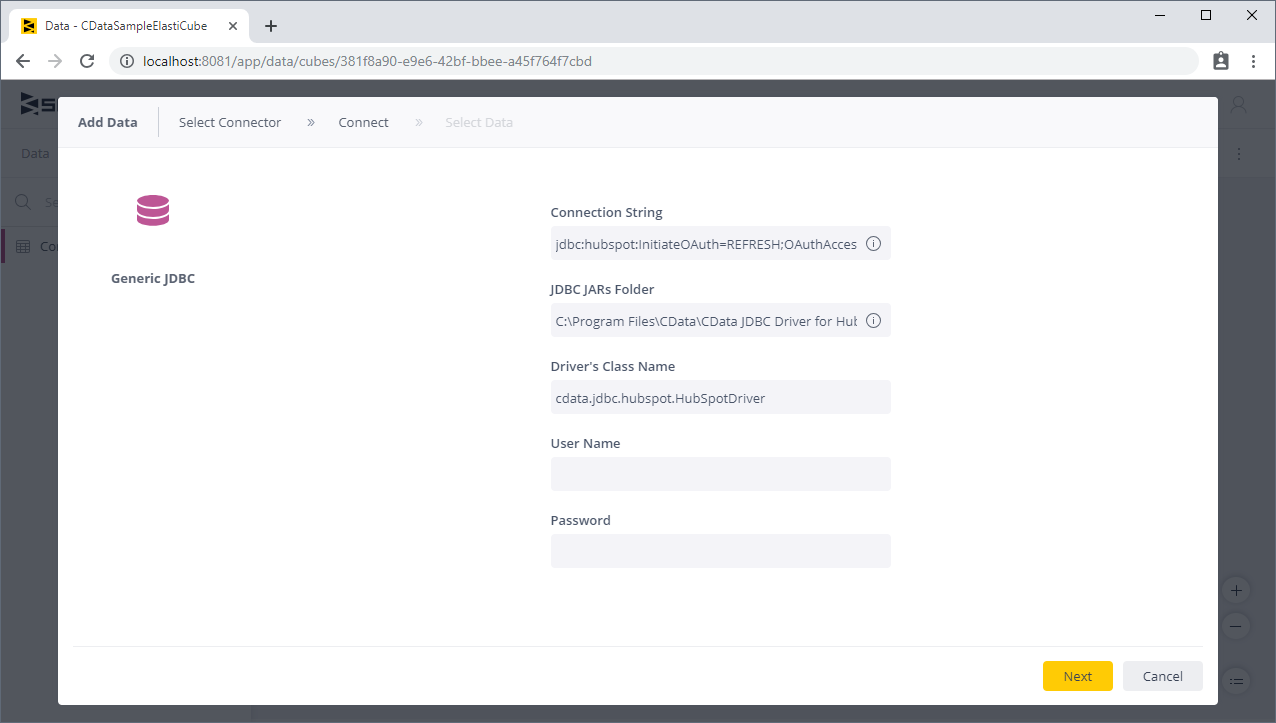
Once you are connected to Reply.io, you can add views to your ElastiCubes.
- From the Tables list, select the tables and/or views you wish to work with.
- (Optional) Click "+" to customize the data you want to import with SQL.
- Click Done.
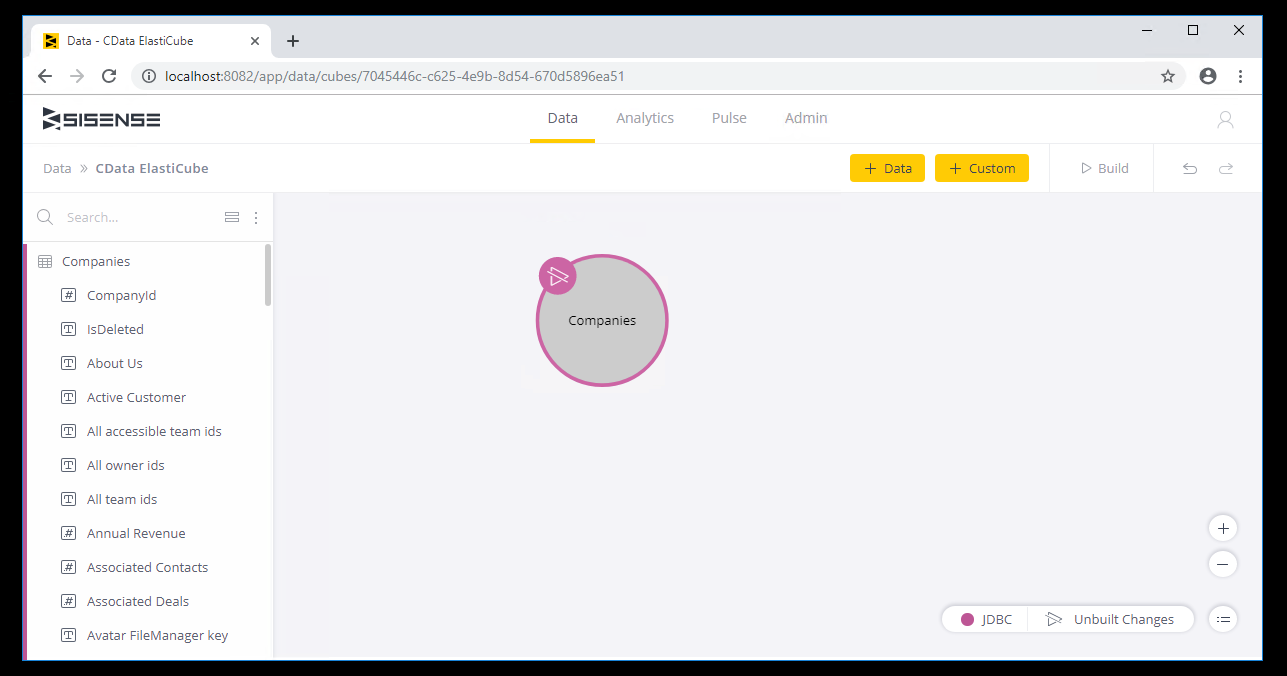
- Click Build to build the ElastiCube for analytics.
Visualize Reply.io Data
With Reply.io tables added to your ElastiCube, you can perform analytics on your Reply.io data.
- Navigate to the Analytics page of the Sisense application
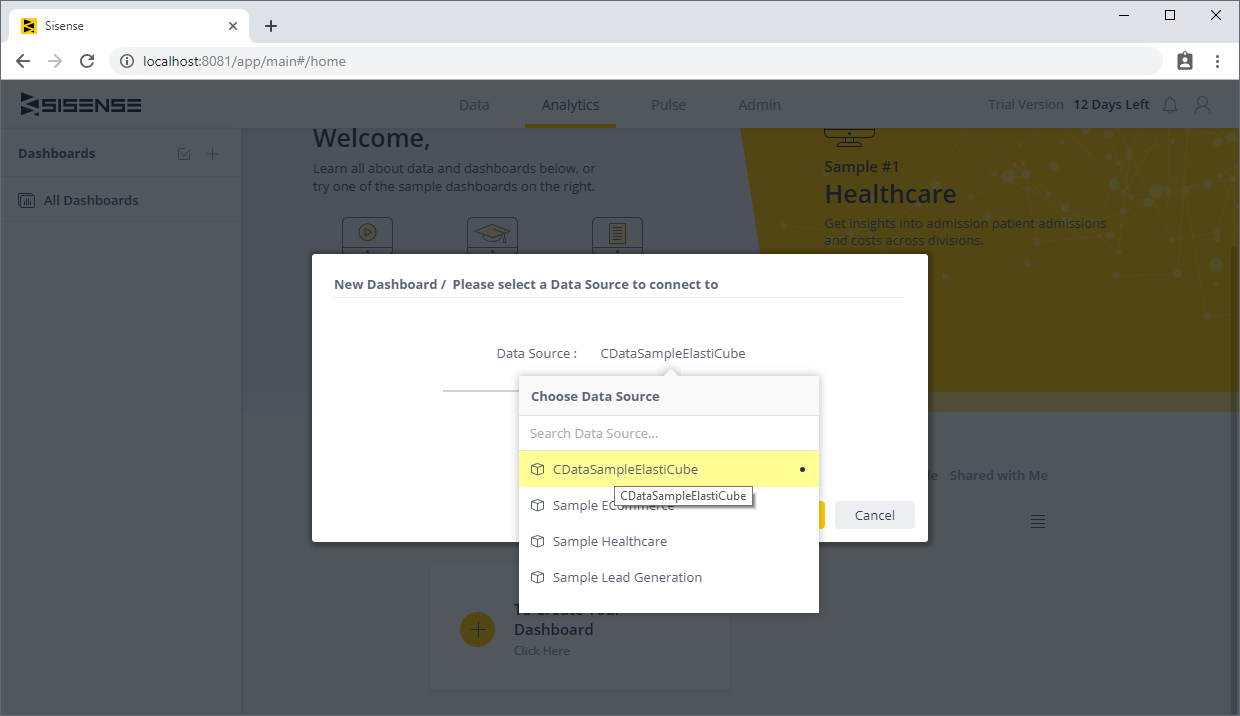
- Select a Dashboard (or create a new one)
- Select your Data Source and click Create
- Click "+ Select Data" and choose fields to add to your visualization.
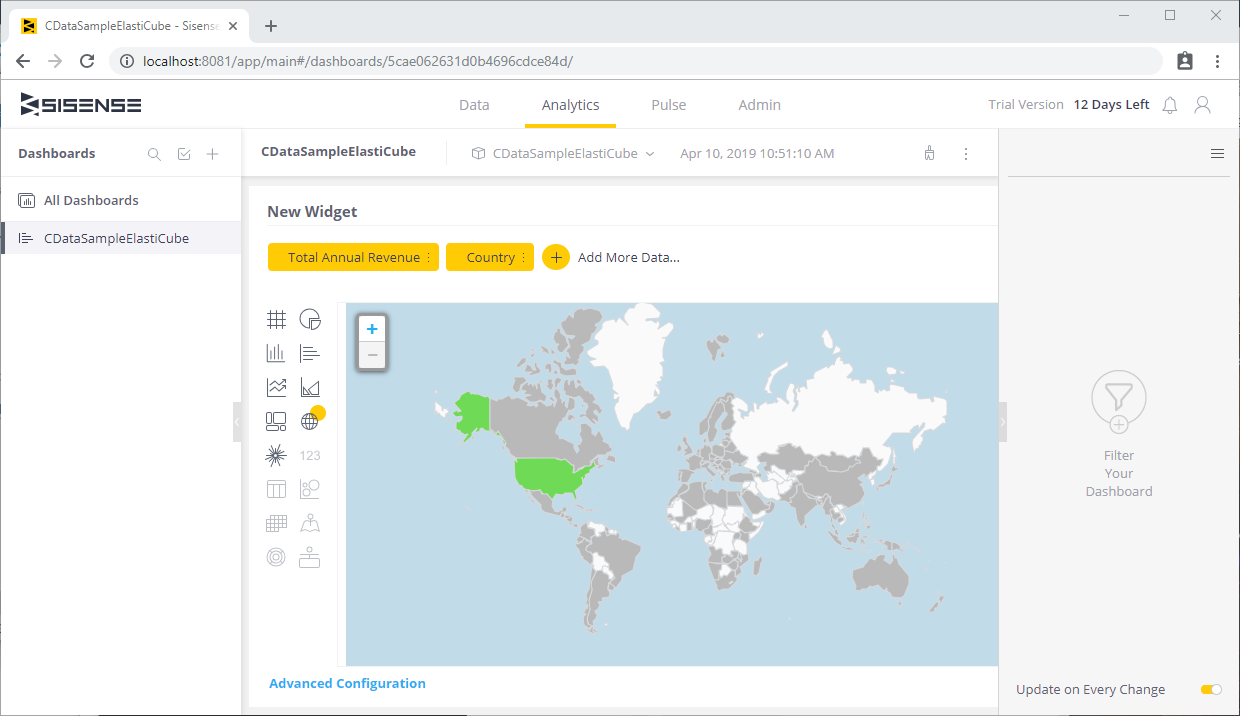
With the CData API Driver for JDBC, you can access Reply.io data right in Sisense for powerful visualization and analytics. Download a free, 30-day trial and start working with Reply.io data in Sisense today!