




Connect to Sage X3 Cloud Data as an External Source in Dremio

The CData JDBC Driver for Sage X3 Cloud implements JDBC Standards and allows various applications, including Dremio, to work with live Sage X3 Cloud data. Dremio is a data lakehouse platform designed to empower self-service, interactive analytics on the data lake. With the CData JDBC driver, you can include live Sage X3 Cloud data as a part of your enterprise data lake. This article describes how to connect to Sage X3 Cloud data from Dremio as an External Source.
The CData JDBC Driver enables high-speed access to live Sage X3 Cloud data in Dremio. Once you install the driver, authenticate with Sage X3 Cloud and gain immediate access to Sage X3 Cloud data within your data lake. By surfacing Sage X3 Cloud data using native data types and handling complex filters, aggregations, & other operations automatically, the CData JDBC Driver grants seamless access to Sage X3 Cloud data.
Prerequisites
This article assumes you are utilizing Docker to run Dremio. You can create a Docker container with the Dremio service using a command similar to the follow:
docker run -d --name dremio -p 9047:9047 -p 31010:31010 dremio/dremio-oss
Where dremio is the name of the container, 9047 is the container's port for the Dremio web interface and 31010 is the port that maps to the Dremio query service. dremio/dremio-oss specifies the image to use.
Build the ARP Connector
To use the CData JDBC Driver in Dremio, you need to build an Advanced Relation Pushdown (ARP) Connector. You can view the source code for the Connector on GitHub or download the ZIP file (GitHub.com) directly. Once you copy or extract the files, run the following command from the root directory of the connector (the directory containing the pom.xml file) to build the connector.
mvn clean install
NOTE: The CData ARP Connectors are build to be compiled with Java 11. Be sure to install Java 11 and use the correct version. You can update your Java version using a command similar to the following:
sudo update-alternatives --config java
Once the JAR file for the connector is built (in the target directory), you are ready to copy the ARP connector and JDBC Driver to your Dremio instance.
Installing the Connector and JDBC Driver
Install the ARP Connector to %DREMIO_HOME%/jars/ and the JDBC Driver for Sage X3 Cloud to %DREMIO_HOME%/jars/3rdparty. You can use commands similar to the following:
ARP Connector
docker cp PATH\TO\dremio-sagex3cloud-plugin-{DREMIO_VERSION}.jar dremio_image_name:/opt/dremio/jars/
JDBC Driver for Sage X3 Cloud
docker cp PATH\TO\cdata.jdbc.sagex3cloud.jar dremio_image_name:/opt/dremio/jars/3rdparty/
Connecting to Sage X3 Cloud
Sage X3 Cloud will now appear as an External Source option in Dremio. The ARP Connector built uses a JDBC URL to connect to Sage X3 Cloud data. The JDBC Driver has a built-in connection string designer that you can use (see below).
Built-in Connection String Designer
For assistance in constructing the JDBC URL, use the connection string designer built into the Sage X3 Cloud JDBC Driver. Double-click the JAR file or execute the jar file from the command line.
java -jar cdata.jdbc.sagex3cloud.jar
Fill in the connection properties and copy the connection string to the clipboard.
Sage X3 Cloud uses the OAuth 2.0 Client Credentials flow, and an X-API-Key is also required for API access. Set AuthScheme to OAuth and specify the following connection properties:
- URL: The base URL of your Sage X3 Cloud instance.
- OAuthAccessTokenUrl: The OAuth token endpoint (e.g., https://your-auth-domain/oauth/token).
- OAuthClientId: Your OAuth application client ID.
- OAuthClientSecret: Your OAuth application client secret.
- Audience: The API audience value for the token request.
- XAPIKey: The X-API-Key provided by your Sage X3 Cloud administrator.
- Folder: The Sage X3 folder name (e.g., SEED). This folder is used as the default schema.
- Folders (optional): A comma-separated list of Sage X3 folders (e.g., SEED,PERF). Each folder is exposed as a separate schema, so you can query across folders with the Schema.Table syntax.
The driver obtains an access token with the Client Credentials flow and sends it with the X-API-Key on every API request. With InitiateOAuth set to GETANDREFRESH (the default), the driver acquires and refreshes the token automatically.

NOTE: To use the JDBC Driver in Dremio, you will need a license (full or trial) and a Runtime Key (RTK). For more information on obtaining this license (or a trial), contact our sales team.
Add the Runtime Key (RTK) to the JDBC URL. You will end up with a JDBC URL similar to the following:
jdbc:sagex3cloud:RTK=5246...;AuthScheme=OAuth;URL=https://x3server/;OAuthAccessTokenUrl=https://auth-domain/oauth/token;OAuthClientId=your_client_id;OAuthClientSecret=your_client_secret;Audience=https://api-audience;XAPIKey=your_api_key;Folder=SEED;
Access Sage X3 Cloud as an External Source
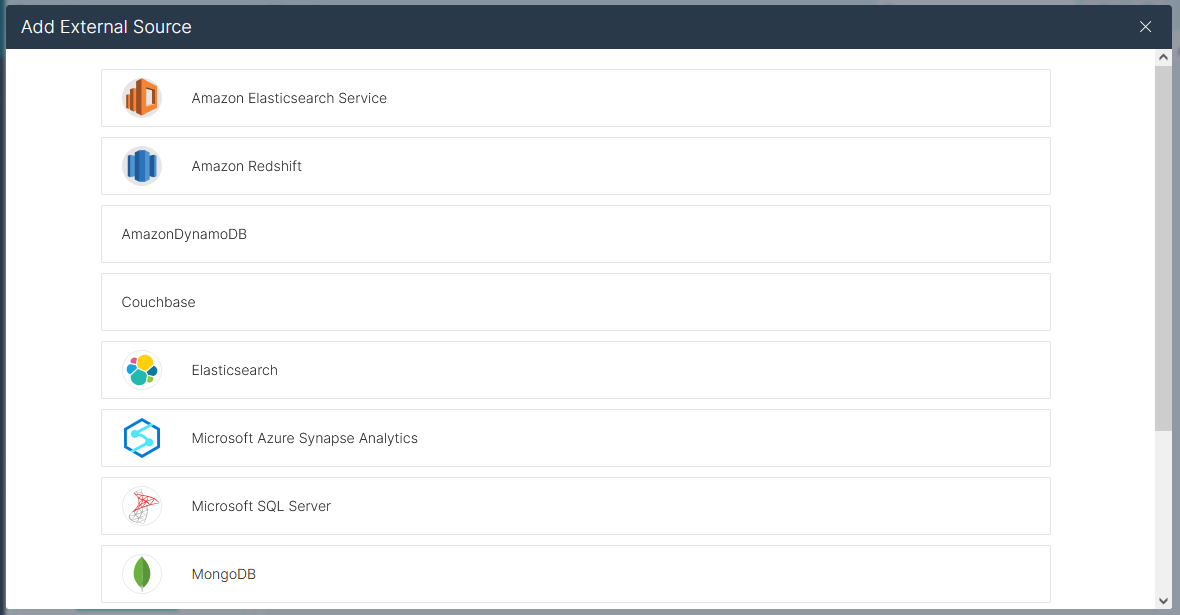
To add Sage X3 Cloud as an External Source, click to add a new source and select SageX3Cloud. Copy the JDBC URL and paste it into the New SageX3Cloud Source wizard.
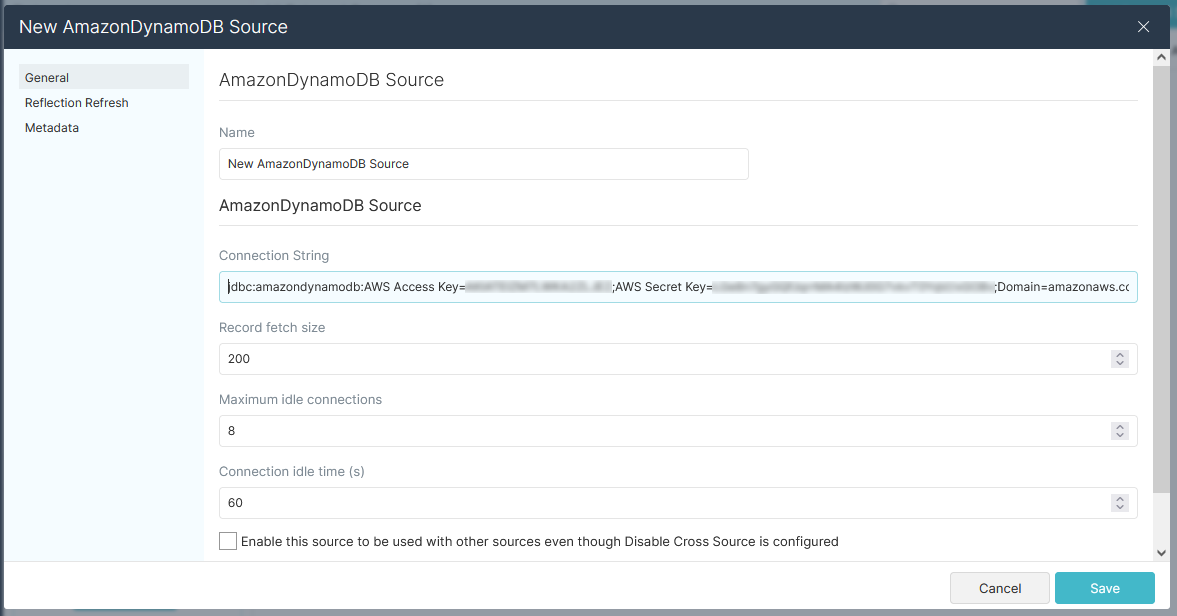
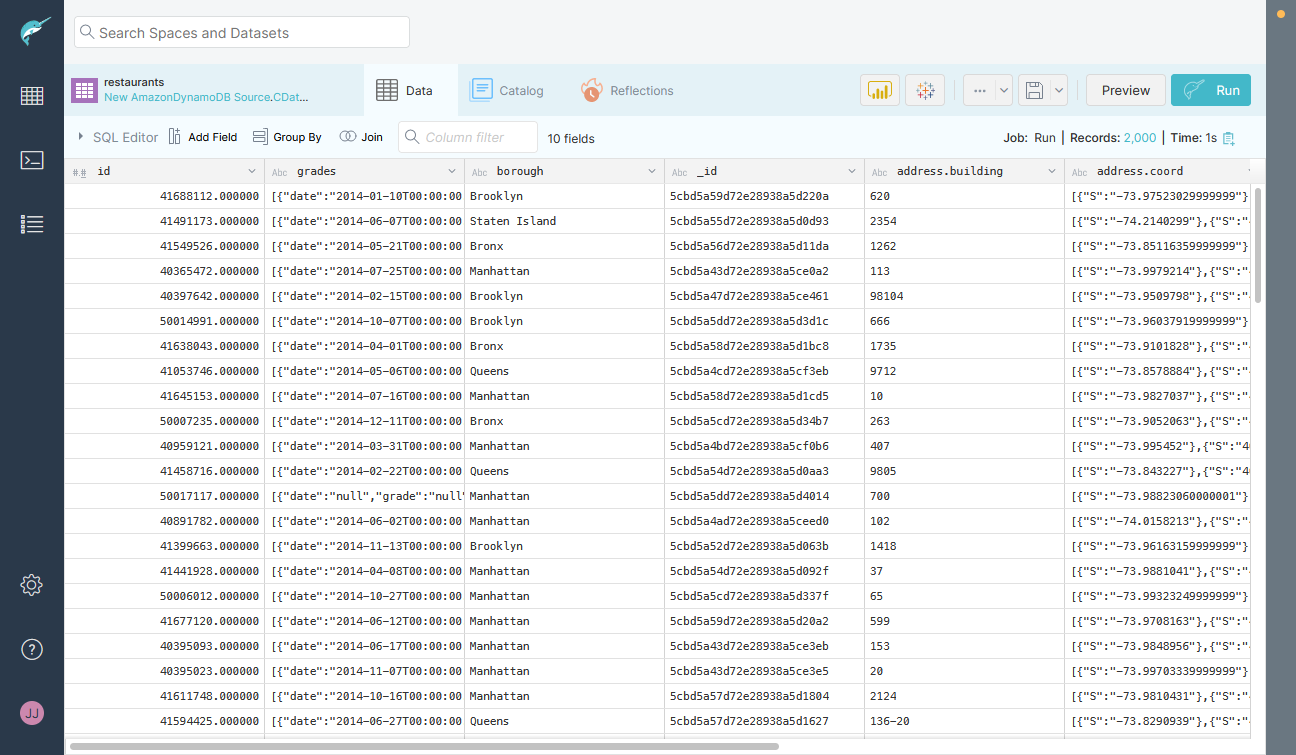
Save the connection and you are ready to query live Sage X3 Cloud data in Dremio, easily incorporating Sage X3 Cloud data into your data lake.
More Information & Free Trial
Using the CData JDBC Driver for Sage X3 Cloud in Dremio, you can incorporate live Sage X3 Cloud data into your data lake. Check out our CData JDBC Driver for Sage X3 Cloud page for more information about connecting to Sage X3 Cloud. Download a free, 30 day trial of the CData JDBC Driver for Sage X3 Cloud and get started today.
Ready to get started?
Download a free trial of the Sage X3 Cloud Driver to get started:
Download NowLearn more:
 Sage X3 Cloud JDBC Driver
Rapidly create and deploy powerful Java applications that integrate with Sage X3 Cloud.