






ETL ShipEngine in Oracle Data Integrator

Leverage existing skills by using the JDBC standard to connect to ShipEngine: Through drop-in integration into ETL tools like Oracle Data Integrator (ODI), the CData JDBC Driver for ShipEngine connects real-time ShipEngine data to your data warehouse, business intelligence, and Big Data technologies.
JDBC connectivity enables you to work with ShipEngine just as you would any other database in ODI. As with an RDBMS, you can use the driver to connect directly to the ShipEngine APIs in real time instead of working with flat files.
This article covers a JDBC-based ETL -- ShipEngine to Oracle. After reverse engineering a data model of ShipEngine entities, you will create a mapping and select a data loading strategy -- since the driver supports SQL-92, this last step can easily be accomplished by selecting the built-in SQL to SQL Loading Knowledge Module.
Install the Driver
To install the driver, copy the driver JAR (cdata.jdbc.api.jar) and .lic file (cdata.jdbc.api.lic), located in the installation folder, into the ODI appropriate directory:
- UNIX/Linux without Agent: ~/.odi/oracledi/userlib
- UNIX/Linux with Agent: ~/.odi/oracledi/userlib and $ODI_HOME/odi/agent/lib
- Windows without Agent: %APPDATA%\Roaming\odi\oracledi\userlib
- Windows with Agent: %APPDATA%\odi\oracledi\userlib and %APPDATA%\odi\agent\lib
Restart ODI to complete the installation.
Reverse Engineer a Model
Reverse engineering the model retrieves metadata about the driver's relational view of ShipEngine data. After reverse engineering, you can query real-time ShipEngine data and create mappings based on ShipEngine tables.
-
In ODI, connect to your repository and click New -> Model and Topology Objects.
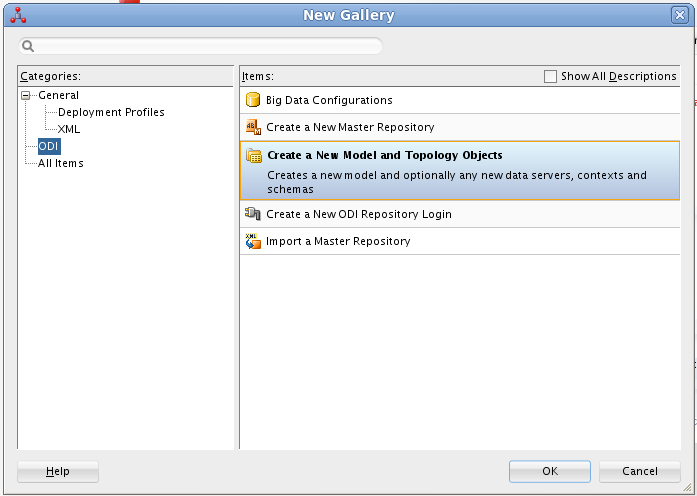
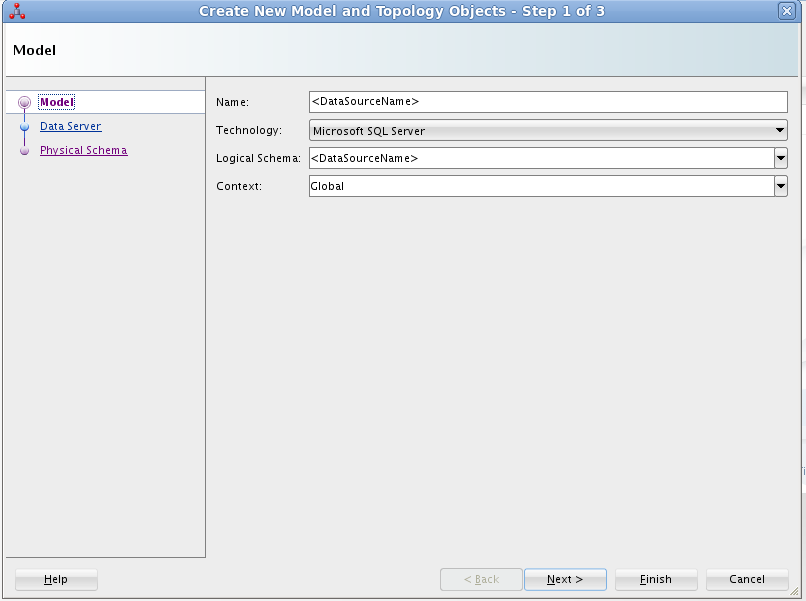
- On the Model screen of the resulting dialog, enter the following information:
- Name: Enter API.
- Technology: Select Generic SQL (for ODI Version 12.2+, select Microsoft SQL Server).
- Logical Schema: Enter API.
- Context: Select Global.
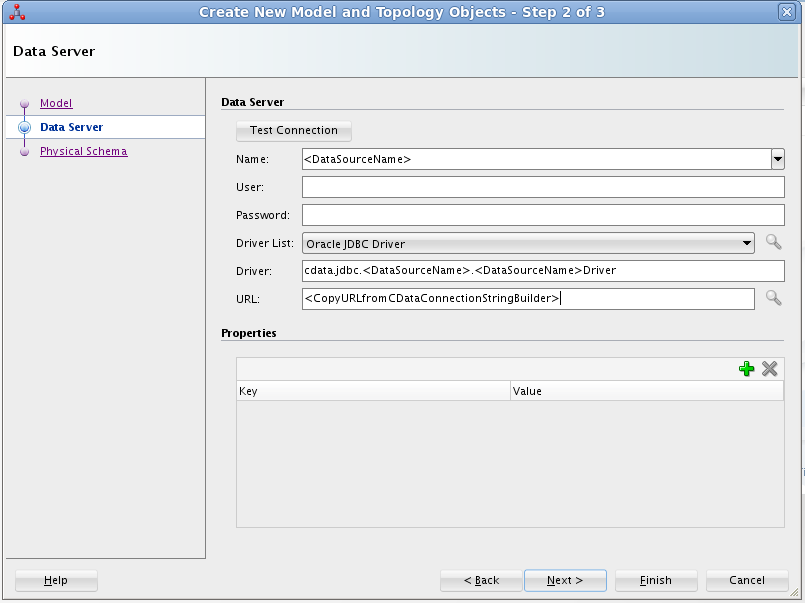
- On the Data Server screen of the resulting dialog, enter the following information:
- Name: Enter API.
- Driver List: Select Oracle JDBC Driver.
- Driver: Enter cdata.jdbc.api.APIDriver
- URL: Enter the JDBC URL containing the connection string.
Start by setting the Profile connection property to the location of the ShipEngine Profile on disk (e.g. C:\profiles\ShipEngine.apip). Next, set the ProfileSettings connection property to the connection string for ShipEngine (see below).
ShipEngine API Profile Settings
Retrieve your ShipEngine API Key from the Dashboard at app.shipengine.com under API Management.
Built-in Connection String Designer
For assistance in constructing the JDBC URL, use the connection string designer built into the ShipEngine JDBC Driver. Either double-click the JAR file or execute the jar file from the command-line.
java -jar cdata.jdbc.api.jar
Fill in the connection properties and copy the connection string to the clipboard.

Below is a typical connection string:
jdbc:api:Profile=C:\profiles\ShipEngine.apip;ProfileSettings='APIKey=your_api_key';
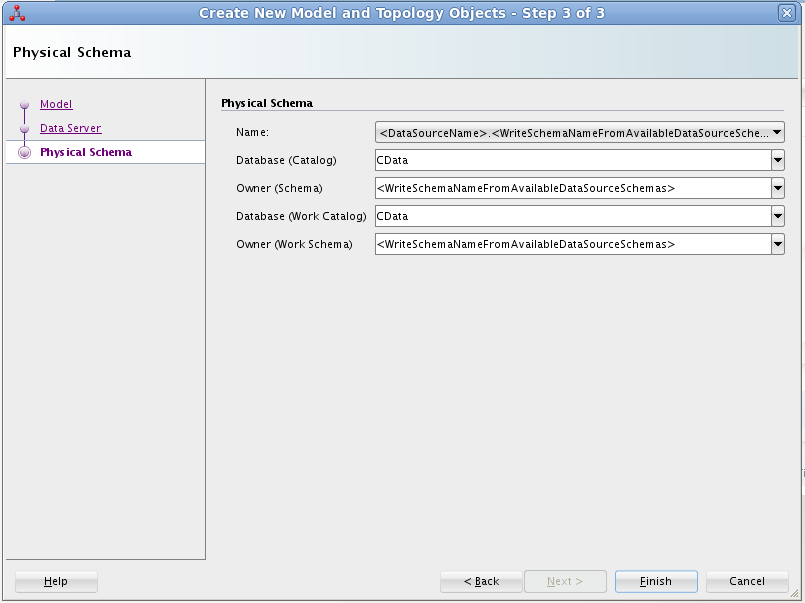
- On the Physical Schema screen, enter the following information:
- Name: Select from the Drop Down menu.
- Database (Catalog): Enter CData.
- Owner (Schema): If you select a Schema for ShipEngine, enter the Schema selected, otherwise enter API.
- Database (Work Catalog): Enter CData.
- Owner (Work Schema): If you select a Schema for ShipEngine, enter the Schema selected, otherwise enter API.
- In the opened model click Reverse Engineer to retrieve the metadata for ShipEngine tables.
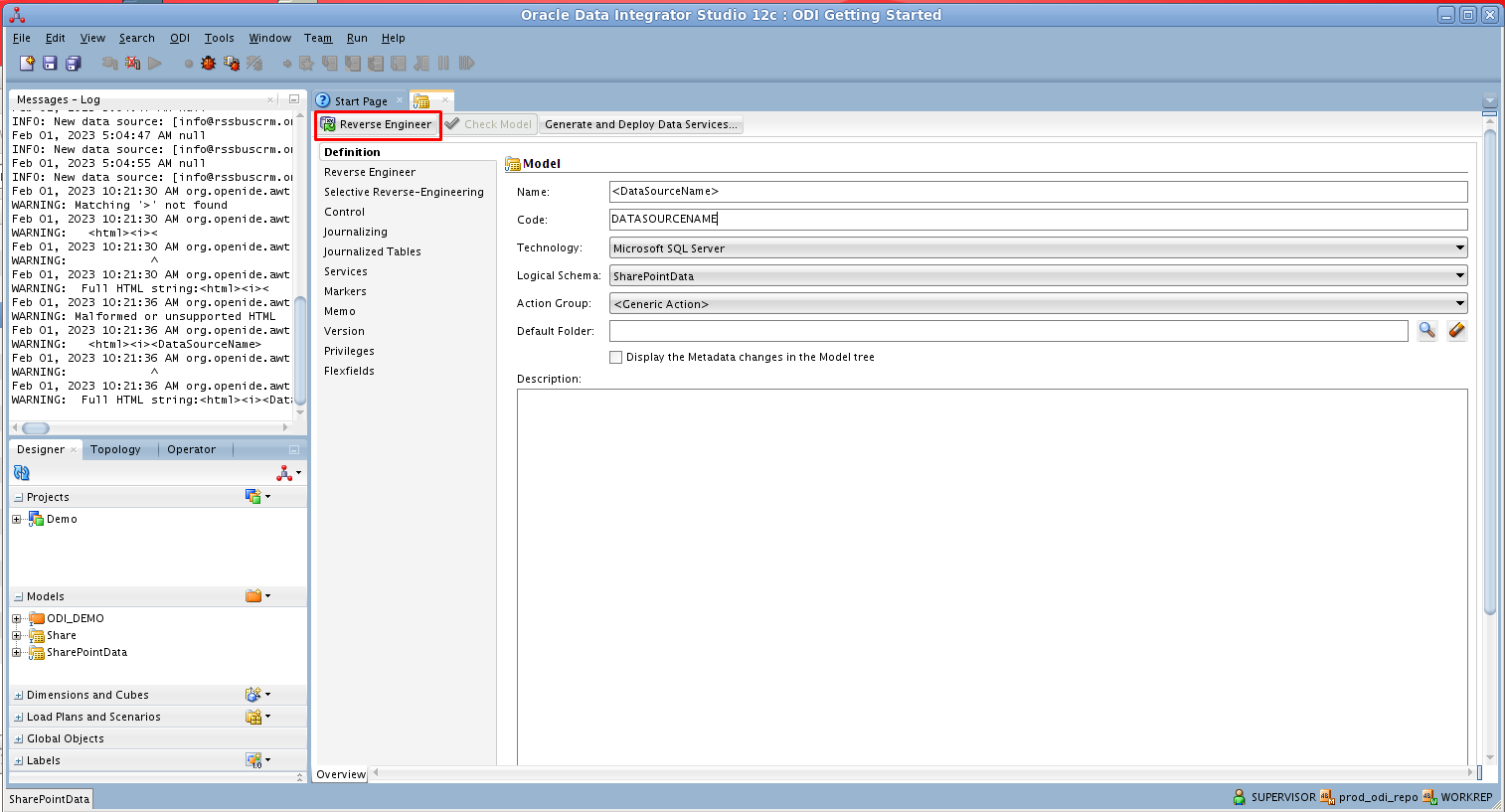
Edit and Save ShipEngine Data
After reverse engineering you can now work with ShipEngine data in ODI.
To view ShipEngine data, expand the Models accordion in the Designer navigator, right-click a table, and click View data.
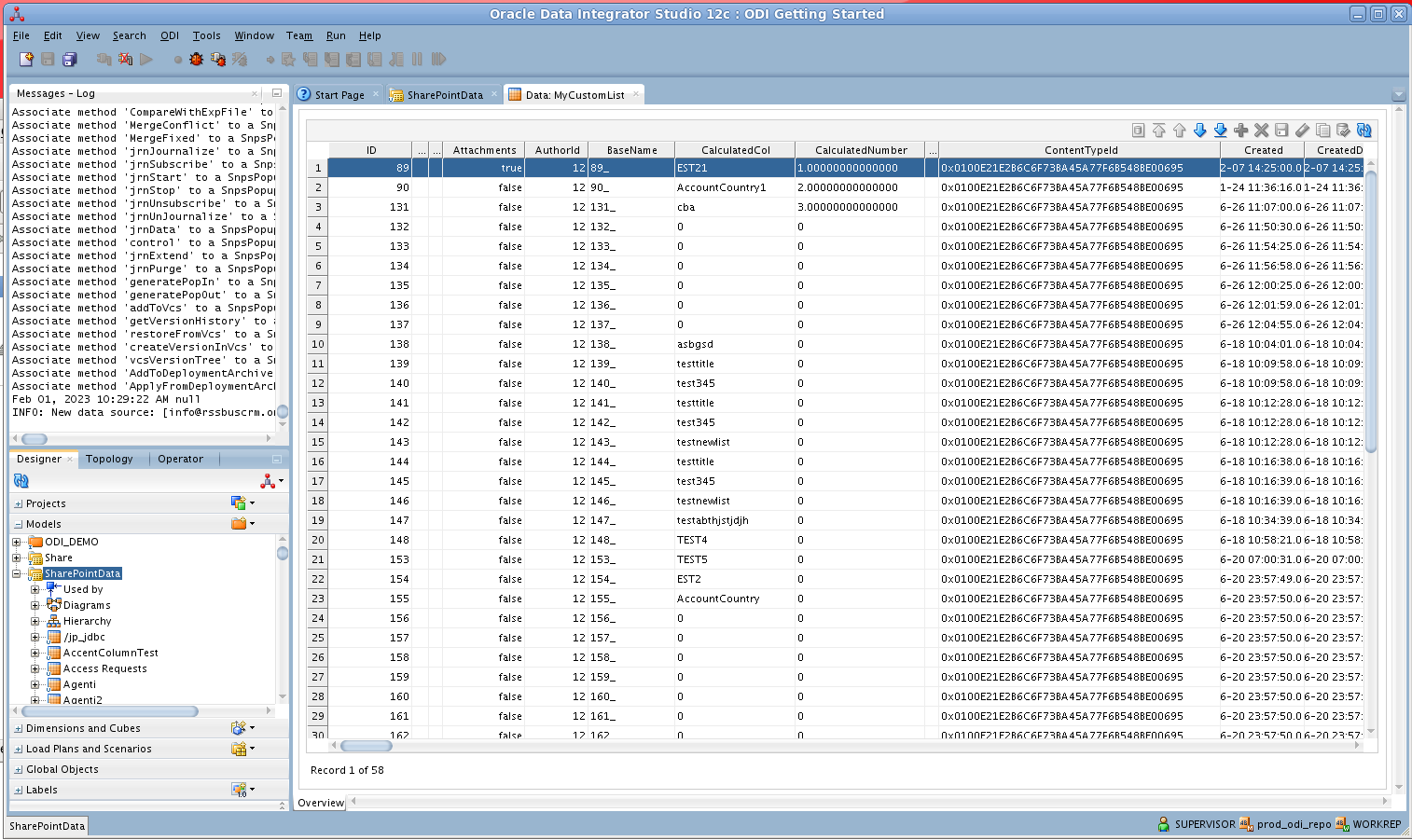
Create an ETL Project
Follow the steps below to create an ETL from ShipEngine. You will load BatchErrors entities into the sample data warehouse included in the ODI Getting Started VM.
Open SQL Developer and connect to your Oracle database. Right-click the node for your database in the Connections pane and click new SQL Worksheet.
Alternatively you can use SQLPlus. From a command prompt enter the following:
sqlplus / as sysdba
- Enter the following query to create a new target table in the sample data warehouse, which is in the ODI_DEMO schema. The following query defines a few columns that match the BatchErrors table in ShipEngine:
CREATE TABLE ODI_DEMO.TRG_BATCHERRORS (ERROR NUMBER(20,0),BatchId VARCHAR2(255));
- In ODI expand the Models accordion in the Designer navigator and double-click the Sales Administration node in the ODI_DEMO folder. The model is opened in the Model Editor.
- Click Reverse Engineer. The TRG_BATCHERRORS table is added to the model.
- Right-click the Mappings node in your project and click New Mapping. Enter a name for the mapping and clear the Create Empty Dataset option. The Mapping Editor is displayed.
- Drag the TRG_BATCHERRORS table from the Sales Administration model onto the mapping.
- Drag the BatchErrors table from the ShipEngine model onto the mapping.
- Click the source connector point and drag to the target connector point. The Attribute Matching dialog is displayed. For this example, use the default options. The target expressions are then displayed in the properties for the target columns.
- Open the Physical tab of the Mapping Editor and click BATCHERRORS_AP in TARGET_GROUP.
- In the BATCHERRORS_AP properties, select LKM SQL to SQL (Built-In) on the Loading Knowledge Module tab.
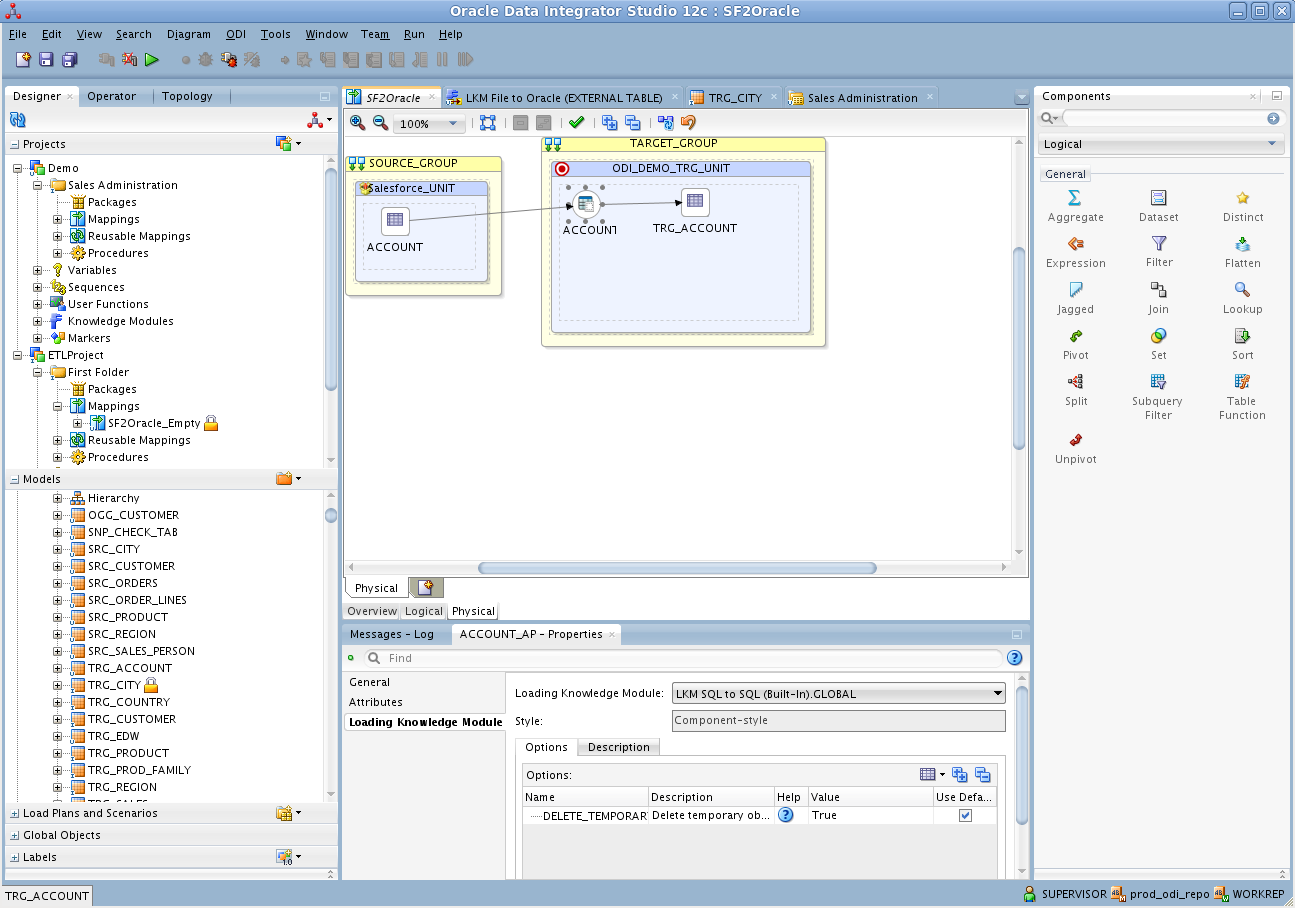
You can then run the mapping to load ShipEngine data into Oracle.