







Integrate with live Phoenix Data in Jitterbit

Jitterbit is an enterprise iPaaS (integration platform as a service) that lets you streamline your data workflows. When paired with CData Connect AI, Jitterbit gets access to live Phoenix data. This article demonstrates how to connect to Phoenix using Connect AI and integrate with live Phoenix data in Jitterbit.
CData Connect AI provides a pure OData interface for Phoenix, allowing you to query data from Phoenix without replicating the data to a natively supported database. Using optimized data processing out of the box, CData Connect AI pushes all supported SQL operations (filters, JOINs, etc.) directly to Phoenix, leveraging server-side processing to return the requested Phoenix data quickly.
Configure Phoenix Connectivity for Jitterbit
To work with Phoenix data from Jitterbit, we need to connect to Phoenix from Connect AI, provide user access to the connection, and create a Workspace for the Phoenix data.
Connect to Phoenix from Connect AI
CData Connect AI uses a straightforward, point-and-click interface to connect to data sources.
- Log into Connect AI, click Sources, and then click Add Connection
- Select "Phoenix" from the Add Connection panel
-
Enter the necessary authentication properties to connect to Phoenix.
Connect to Apache Phoenix via the Phoenix Query Server. Set the Server and Port (if different from the default port) properties to connect to Apache Phoenix. The Server property will typically be the host name or IP address of the server hosting Apache Phoenix.
Authenticating to Apache Phoenix
By default, no authentication will be used (plain). If authentication is configured for your server, set AuthScheme to NEGOTIATE and set the User and Password properties (if necessary) to authenticate through Kerberos.

- Click Save & Test
-
Navigate to the Permissions tab in the Add Phoenix Connection page and update the User-based permissions.



Add a Personal Access Token
When connecting to Connect AI through the REST API, the OData API, or the Virtual SQL Server, a Personal Access Token (PAT) is used to authenticate the connection to Connect AI. It is best practice to create a separate PAT for each service to maintain granularity of access.
- Click on the Gear icon () at the top right of the Connect AI app to open the settings page.
- On the Settings page, go to the Access Tokens section and click Create PAT.
-
Give the PAT a name and click Create.

- The personal access token is only visible at creation, so be sure to copy it and store it securely for future use.
Configure Phoenix Endpoints for Jitterbit
After connecting to Phoenix, create a workspace for your desired table(s).
-
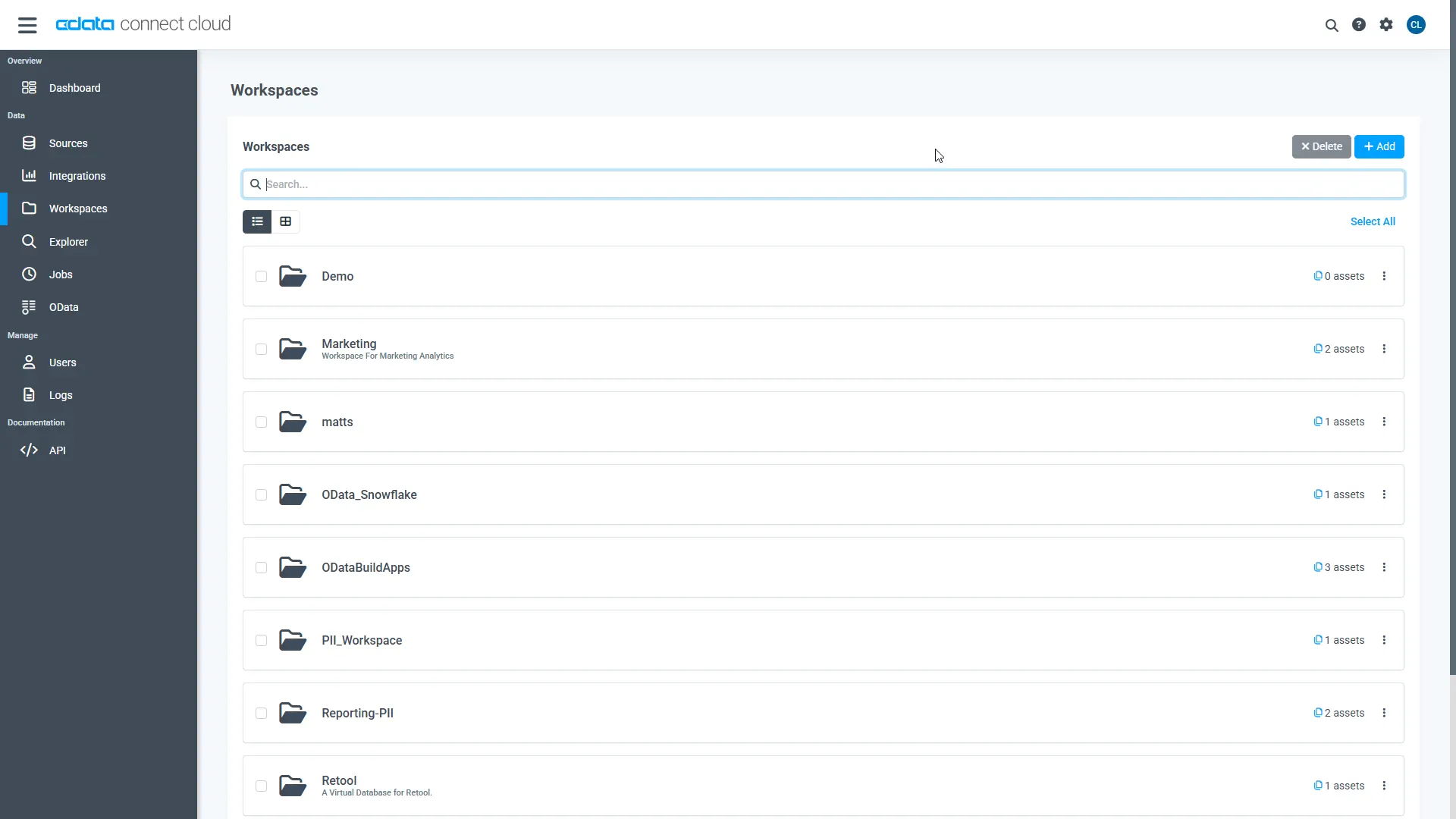
Navigate to the Workspaces page and click Add to create a new Workspace (or select an existing workspace).
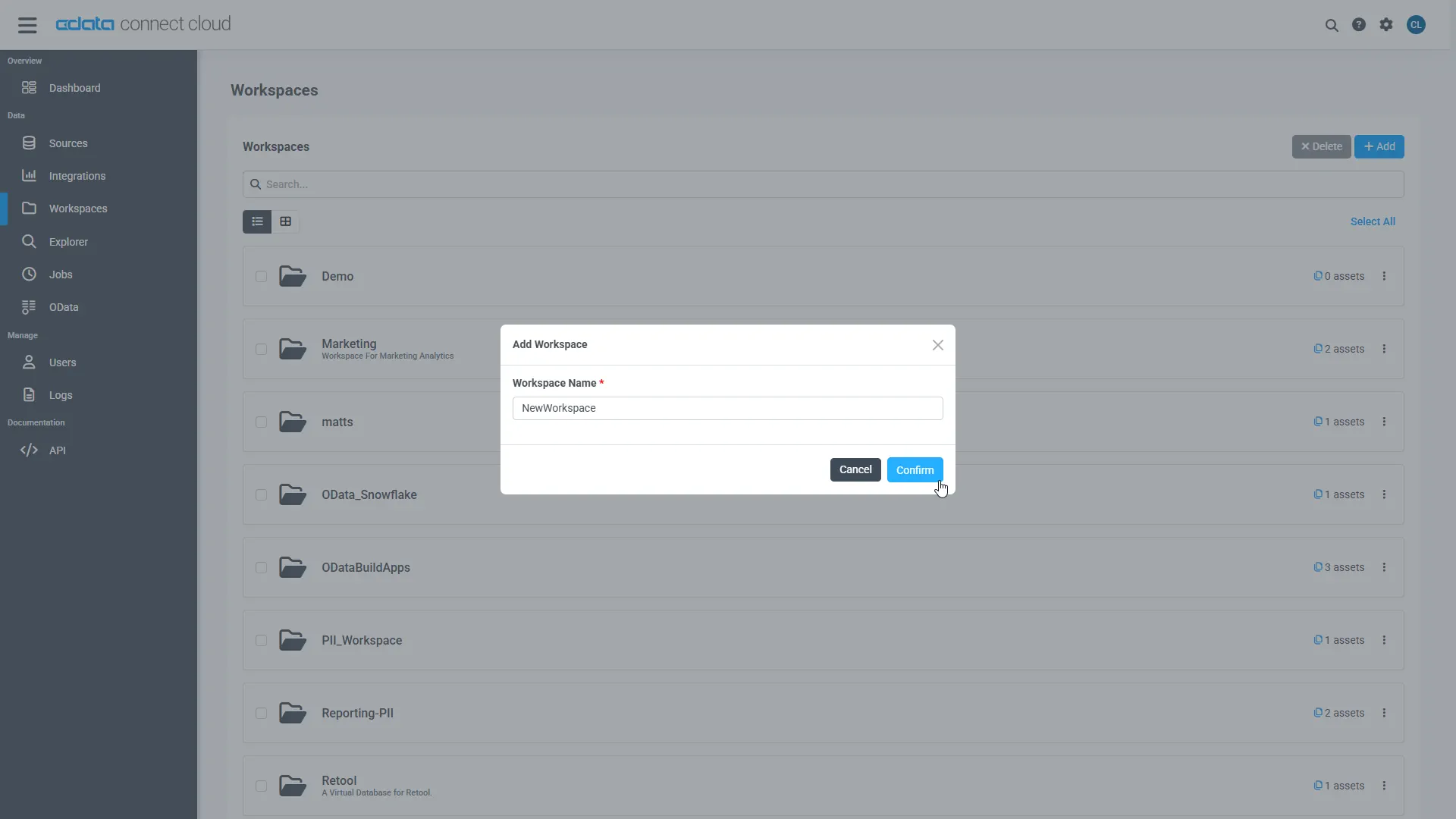
- Click Add to add new assets to the Workspace.
-
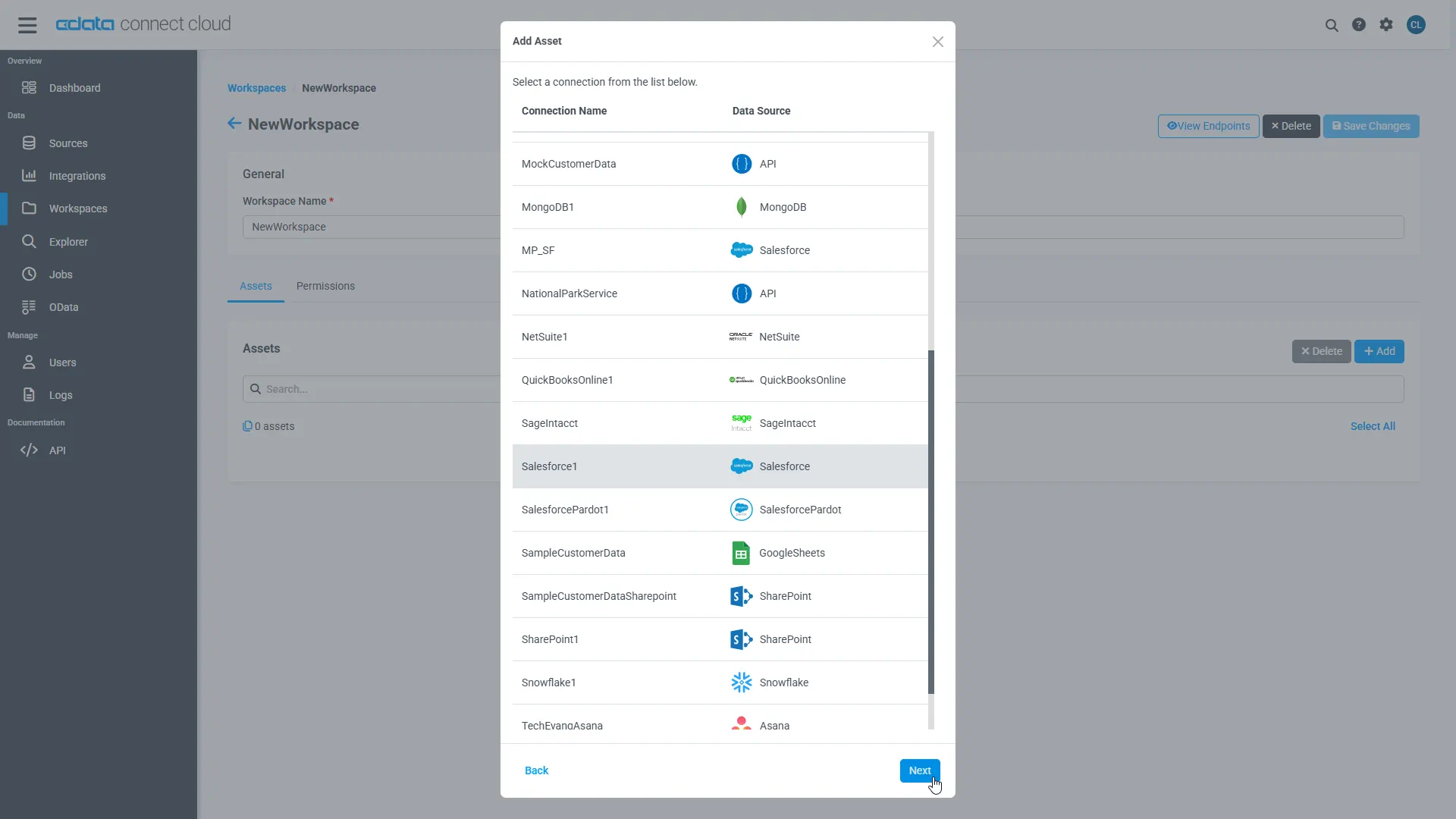
Select the Phoenix connection (e.g. ApachePhoenix1) and click Next.
-
Select the table(s) you wish to work with and click Confirm.
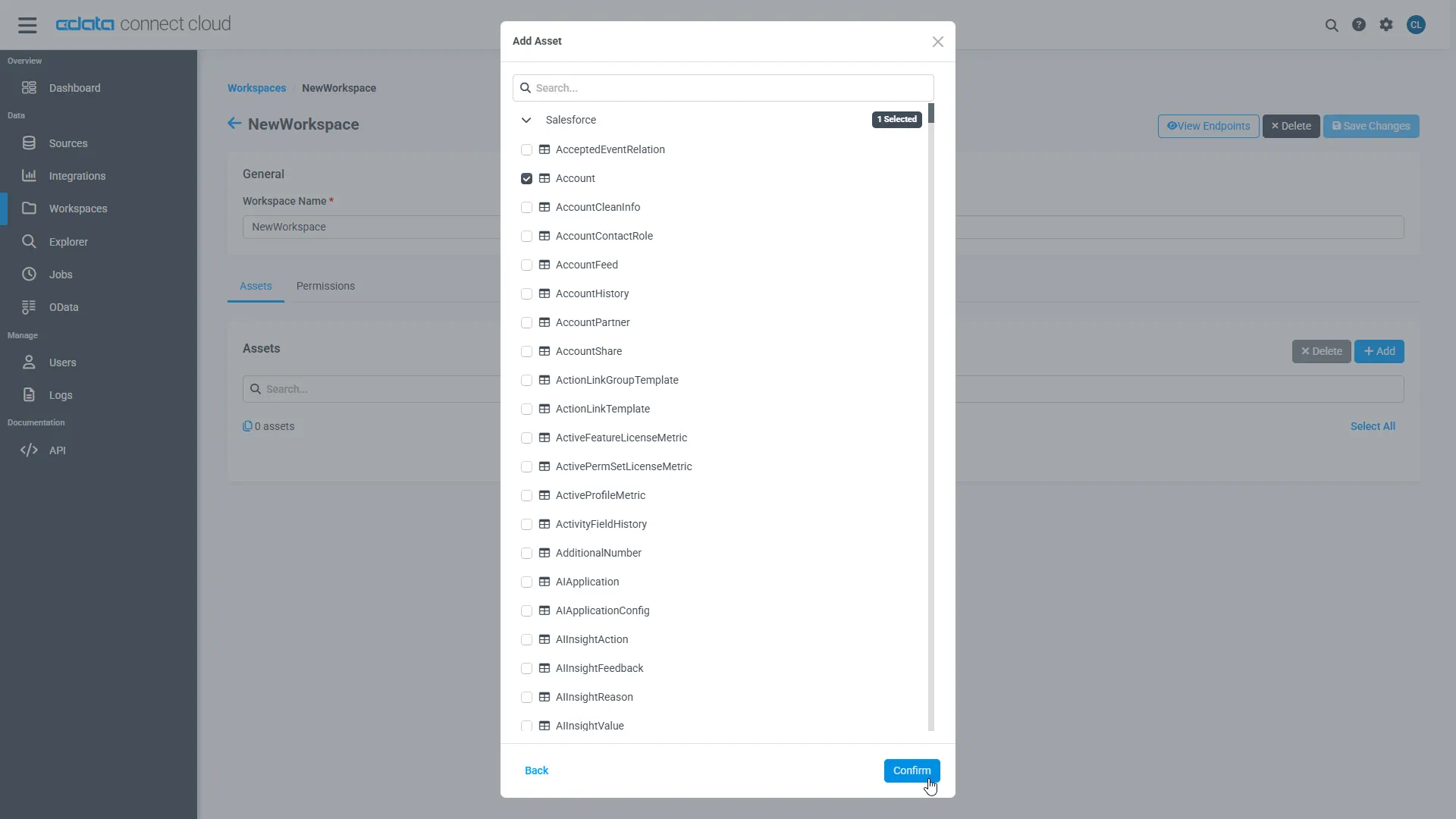
- Make note of the OData Service URL for your workspace, e.g. https://cloud.cdata.com/api/odata/{workspace_name}
With the connection, PAT, and Workspace configured, you are ready to connect to Phoenix data from Jitterbit.
Connect to Phoenix from Jitterbit using Connect AI
To establish a connection from Jitterbit to CData Connect AI using the OData protocol, follow these steps.
- Log into Jitterbit.
- Create a project in Cloud Studio and provide a workspace environment for it.
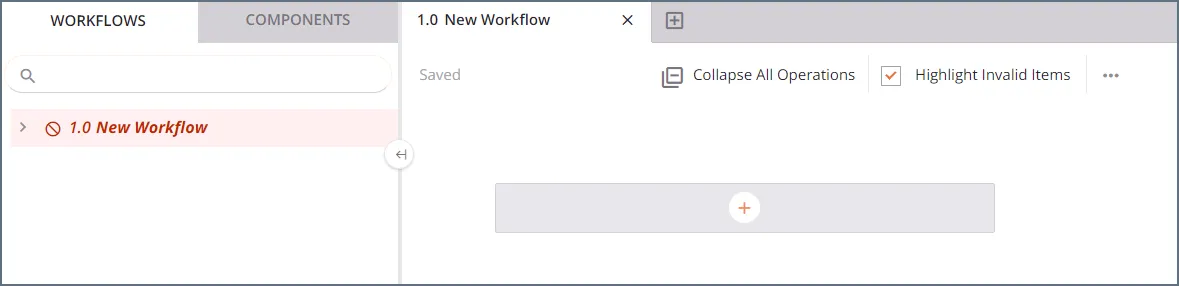
- click Sources and enter OData in the search bar.
- Select the OData connector.
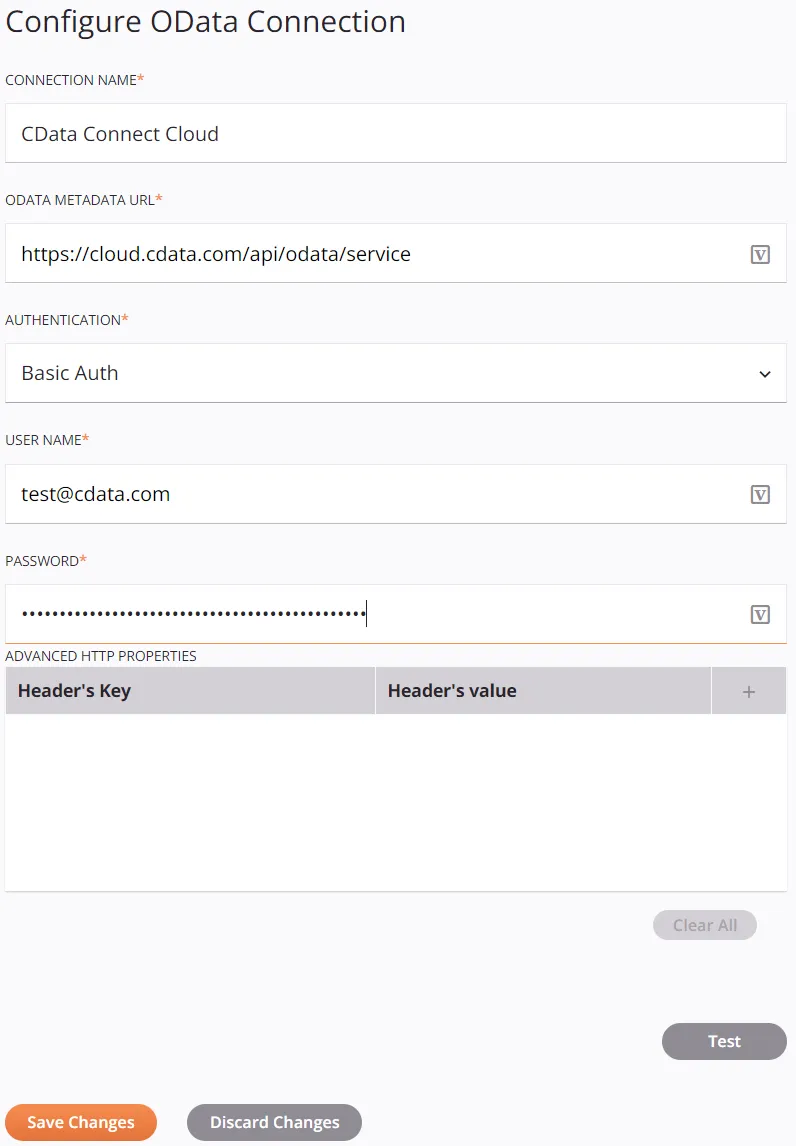
- Enter the OData connection properties.
- Connection Name: enter a connection name.
- OData Metadata URL: enter https://cloud.cdata.com/api/odata/{workspace_name}.
- Authentication: select Basic Auth.
- User Name: enter your CData Connect AI username. This is displayed in the top-right corner of the CData Connect AI interface. For example, [email protected].
- Password: enter the PAT you generated on the Settings page.
- Click Test to test the connection, and then click Save Changes.
- Choose the operation you want to perform and drag it to the workflow in your project.
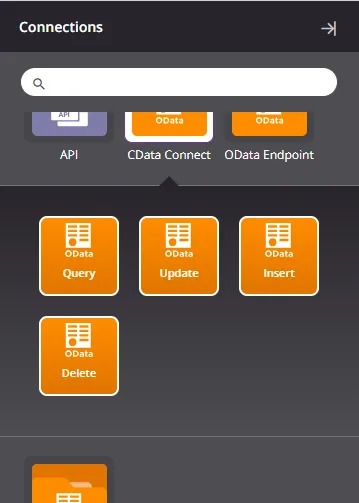
- Double-click the query operation to see all the tables and derived views available in your OData endpoint.
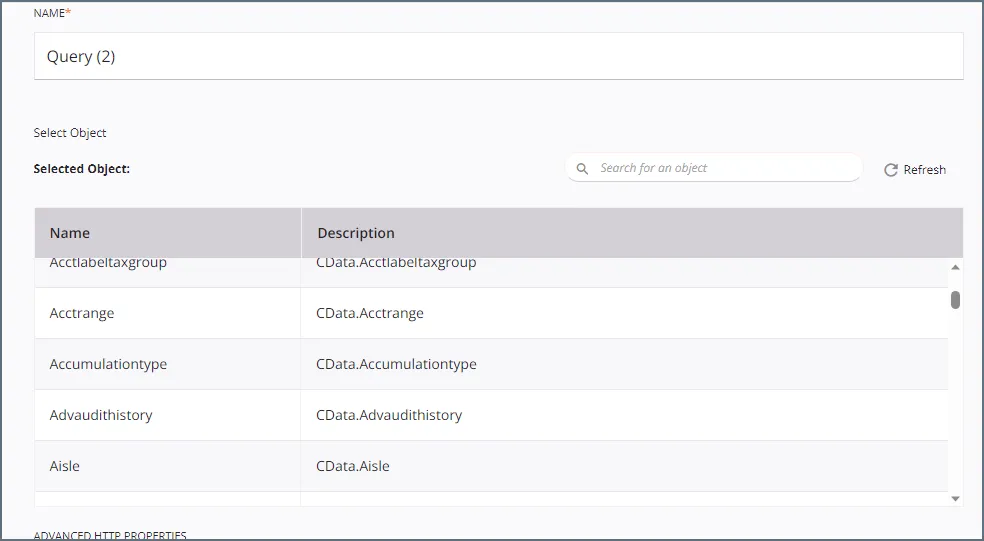
- Select a table and configure the query.
You can now transform and integrate live Phoenix data in Jitterbit.
Get CData Connect AI
To get live data access to hundreds of SaaS, Big Data, and NoSQL sources directly from Jitterbit, try CData Connect AI today!